
 English
 French
 Deutsch
 العربية
 Español
 Русский
 にほんご
にほんご Português
 한국어
한국어
10 Jul
Core Differences in Forming Principles Between the Two Manufacturing Processes
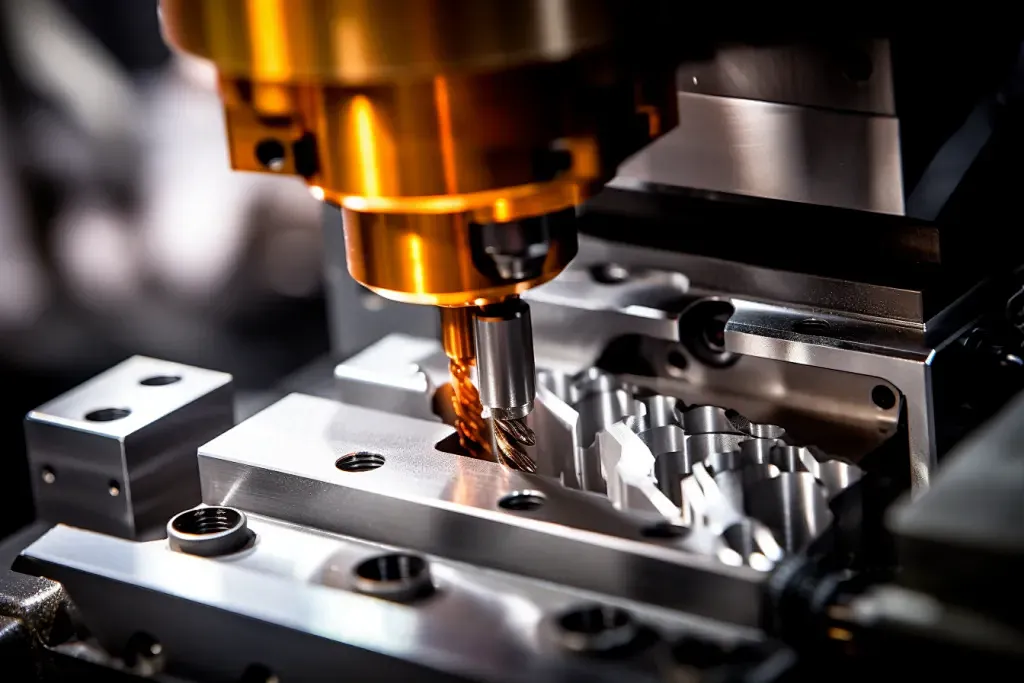
CNC machining is subtractive manufacturing. It uses CNC milling machines, lathes and other equipment to control cutting tools, removing excess material layer by layer from a solid blank to form solid parts through multi-axis linkage. The whole process is limited by the reach of cutting tools; deep cavities and fully enclosed internal structures can hardly be machined in one go.
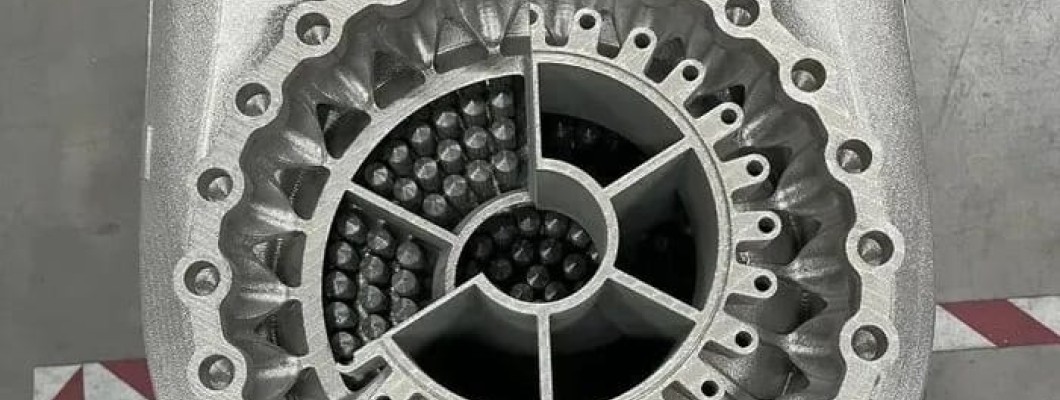
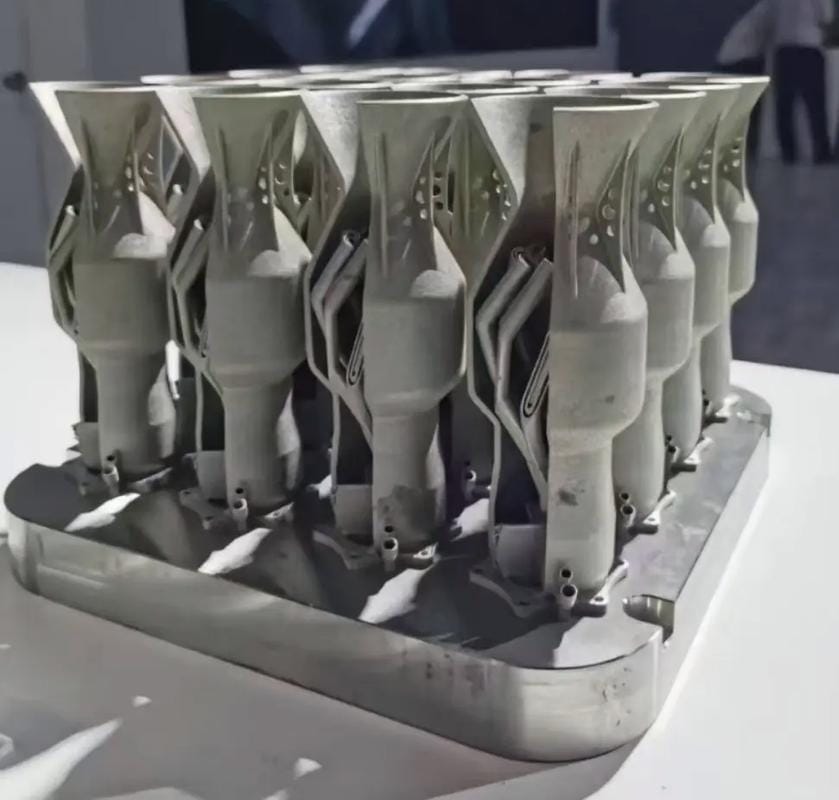
3D printing is additive manufacturing. It builds parts layer by layer with resin, nylon, metal powder and other raw materials, requiring no cutting tools or complex fixtures. Integral structures with internal hollow lattices, conformal cooling channels and combined multi-component assemblies can be formed directly in one piece, free from geometric limitations of traditional cutting processes.
Prioritize CNC Machining for Scenarios Requiring High Precision & High Mechanical Strength
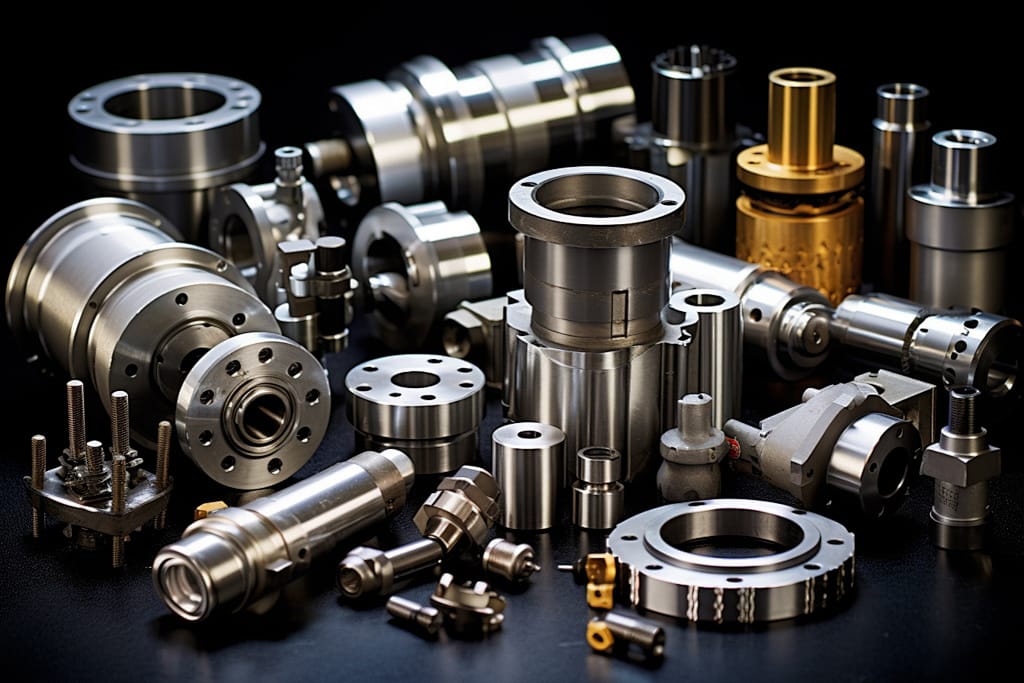
CNC machining is a reliable choice for custom parts requiring precision assembly, long-term load-bearing performance and strict dimensional tolerances. Its standard machining tolerance can be stably controlled within ±0.02 mm, with surface roughness up to Ra1.6 μm, free from layer lines or interlayer delamination defects common in printed parts.
It supports cutting of mainstream metal materials including aluminum alloy, stainless steel, titanium alloy and superalloy, fully retaining the original mechanical properties of raw materials. CNC machined workpieces outperform ordinary 3D printed products in impact resistance, wear resistance and high-temperature resistance, ideal for transmission gears, aerospace structural components and precision sealing mating parts for machinery equipment.
Prioritize 3D Printing for Complex Special-Shaped Lightweight Components
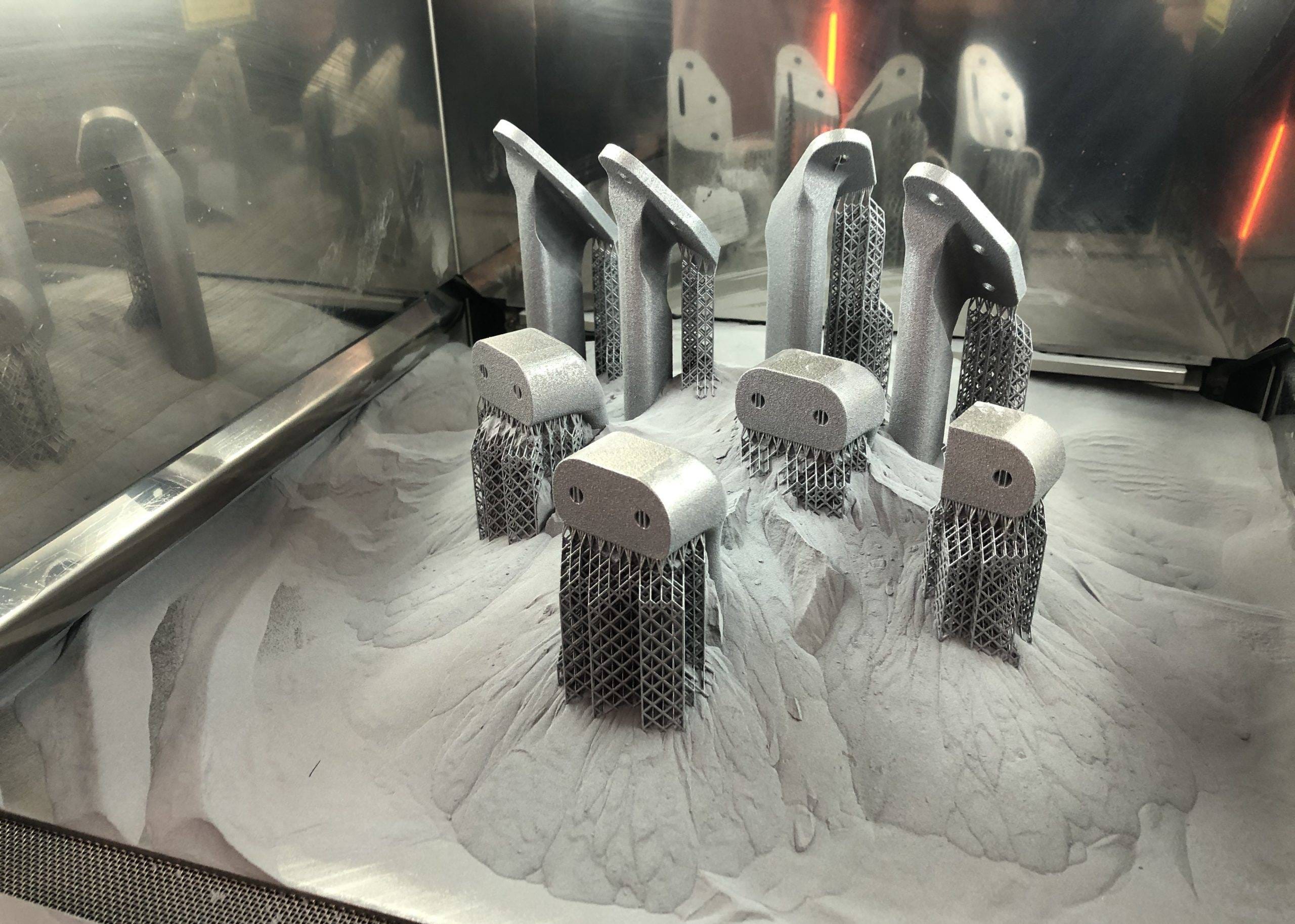
If custom parts contain internal cooling channels, lattice lightweight structures, multi-layer hollow cavities or undercut hidden features, 3D printing avoids tedious repeated clamping, split machining and welding steps required by CNC. One-piece integrated forming greatly shortens production lead time and eliminates dimensional errors caused by assembly joints.
For frequently iterated appearance prototypes, assembly verification samples and personalized medical surgical guides in product R&D phases, 3D printing eliminates programming and fixture preparation work. Production starts immediately after uploading digital models, with single-piece sample delivery shortened to 1–2 days, perfectly matching R&D workflows with frequent design revisions.
Judge Cost Advantages of 3D Printing and CNC Machining by Production Volume
For single pieces or tiny batches of several custom parts, 3D printing delivers lower overall costs, as it saves upfront labor costs of CNC programming, fixture customization and tool debugging. The more complex the part geometry, the larger the cost gap, with no extra labor charges added for intricate internal features.
When custom part batches exceed 30 units with simple regular structures, CNC machining gains cost advantages. Upfront setup costs are amortized across mass production, with higher material utilization and superior dimensional consistency among batch products. Unit cost for long-term mass production is far lower than 3D printing.
Application Fields of CNC Machining for Mass-Produced Industrial Precision Custom Parts
The automotive industry widely adopts CNC machining for custom aluminum chassis brackets, precision engine valves and transmission gears. These components endure continuous vibration and high pressure; intact solid metal substrates guarantee structural strength, and machined parts feature excellent compatibility with surface treatments such as anodizing and electroplating.
Custom fixtures, positioning inspection blocks and precision spindle accessories for automated equipment all rely on CNC machining. Such parts demand ultra-tight assembly clearances and repeat positioning accuracy down to micrometer levels, which 3D printing cannot stably achieve. CNC machined finished parts can be directly deployed on production lines for long-term service.
Application Fields of 3D Printing for R&D & Innovative Custom Components
3D printing is widely adopted in new energy thermal management R&D to produce heat dissipation housings with integrated internal conformal cooling channels. Traditional CNC cannot form closed internal channels in a single piece and requires split machining plus welding, which complicates workflows and weakens heat exchange efficiency. Monolithic 3D printed structures significantly improve thermal performance.
The medical industry leverages 3D printing to manufacture surgical guides, personalized prosthetic liners and dental implant components. Each patient model is a unique single custom piece with ergonomic curved surfaces and micro internal hollow structures, which are extremely difficult to replicate via CNC machining.
Core Decision Logic for Process Selection of Custom Parts
Neither manufacturing process is universally superior. The selection of custom part manufacturing solutions requires comprehensive evaluation based on four dimensions: precision, geometric complexity, batch quantity and mechanical performance. Hybrid processing is also feasible for a single project: use 3D printing for complex main bodies, then apply CNC finish machining on critical mating surfaces to balance efficiency and precision.
Choose CNC machining if you require high precision, high strength, medium-to-large batch sizes and regular geometric shapes. Select 3D printing for parts with complex internal cavities, lightweight topological lattices, rapid single-piece prototyping and frequent design iterations. Matching the correct manufacturing technology to project demands optimizes overall costs and delivery schedules.


Leave a Comment