
 English
 French
 Deutsch
 العربية
 Español
 Русский
 にほんご
にほんご Português
 한국어
한국어
10 Sep
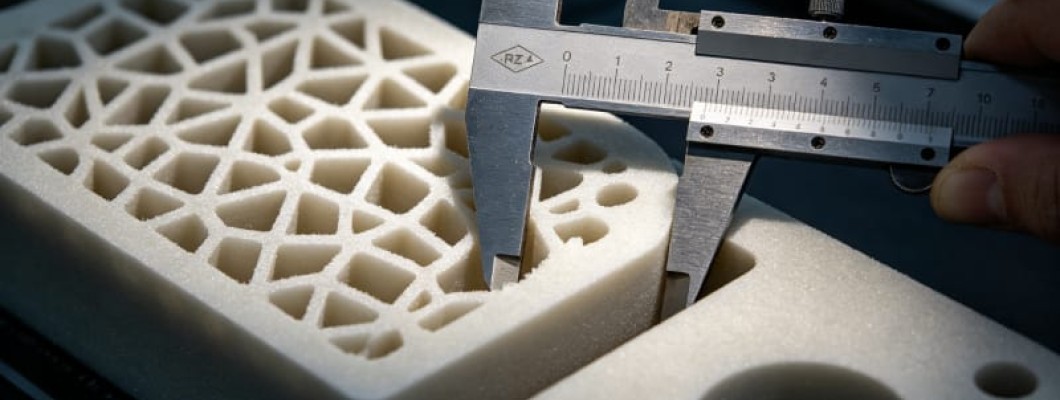
Hidden Cost Traps in Large Scale 3D Printing
Large scale 3d printing looks deceptively simple on a quote form—you upload a model, pick a material, and get a price. But for low volume manufacturing of industrial parts, the real cost is driven by factors that most buyers never see until the invoice arrives. A part that fills a build volume may cost three times more than a slightly smaller version because it cannot be nested with other parts, forcing a dedicated build with wasted empty space. Thick walls that seem conservative can double print time and material usage without adding meaningful strength. Hidden post-processing charges—support removal, sanding, priming, painting—can add 30 to 50 percent to the final cost of a large part if not specified upfront. At HUANYA, we help industrial clients identify these traps before the first layer prints, because the cheapest large scale part is the one designed for cost from the beginning.
The most expensive mistake is treating a large 3d printing service like a traditional manufacturing vendor that simply executes your drawing. In additive manufacturing, every design decision directly affects print time, material consumption, support structure volume, and post-processing effort. A part oriented with a large flat face down may require extensive support that takes hours to remove and leaves witness marks requiring finishing. A part printed as one monolithic piece may exceed the build volume of a more economical machine, forcing the use of a larger, more expensive printer. Even the choice of infill pattern and density can swing the cost by 20 percent or more on a large part. The key to cutting unnecessary cost is understanding that industrial 3d printing is a co-engineering process, not a commodity service, and that the savings come from design decisions made before printing begins.
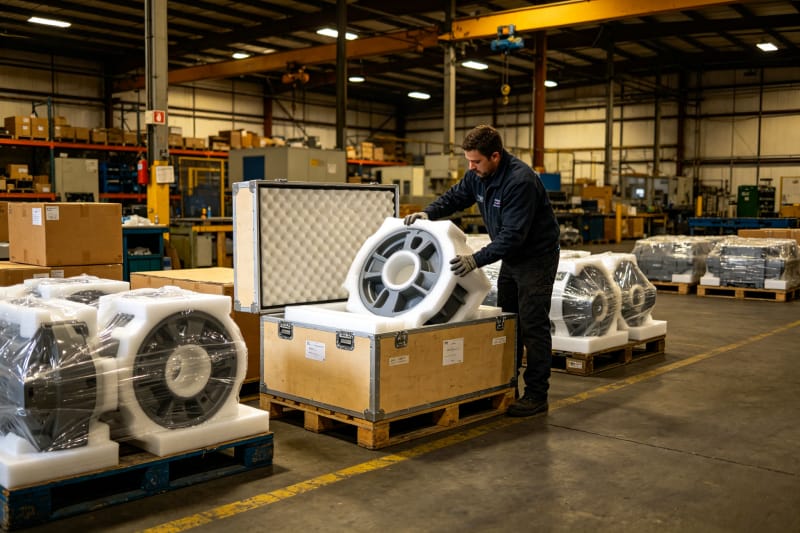
Design Optimization That Reduces Large Part Costs
The first and most impactful cost lever is print orientation. For large scale 3d printing, the orientation determines not just surface quality but support volume, print time, and dimensional stability. Orienting a part to minimize overhangs beyond 45 degrees can reduce support material by 50 percent or more, cutting both material cost and post-processing time. At HUANYA, our engineers review every large part and recommend the optimal orientation, often suggesting minor design changes—adding a small fillet, rotating a feature, or splitting an overhanging section—that dramatically reduce support without compromising function. We also use variable layer height strategies, printing fine layers only on visible or critical surfaces and coarser layers on hidden structural areas, reducing total print time by 15 to 25 percent without sacrificing quality.
The second lever is part consolidation and split design. For low volume manufacturing, printing a single massive part may be more expensive than printing two or three smaller sections that assemble with integrated alignment features. Smaller parts fit on more economical machines, nest more efficiently, and are less prone to warping and print failures that waste an entire build. Conversely, consolidating multiple small parts into a single large print can eliminate assembly labor and fastener costs when the geometry allows. Wall thickness optimization is another critical area—most large industrial parts are over-designed with uniform 4 to 6 millimeter walls when 2 to 3 millimeter walls with strategic ribbing provide equal strength at half the material. Our DFM review identifies these opportunities and provides specific recommendations, often cutting part cost by 20 to 40 percent through design optimization alone.
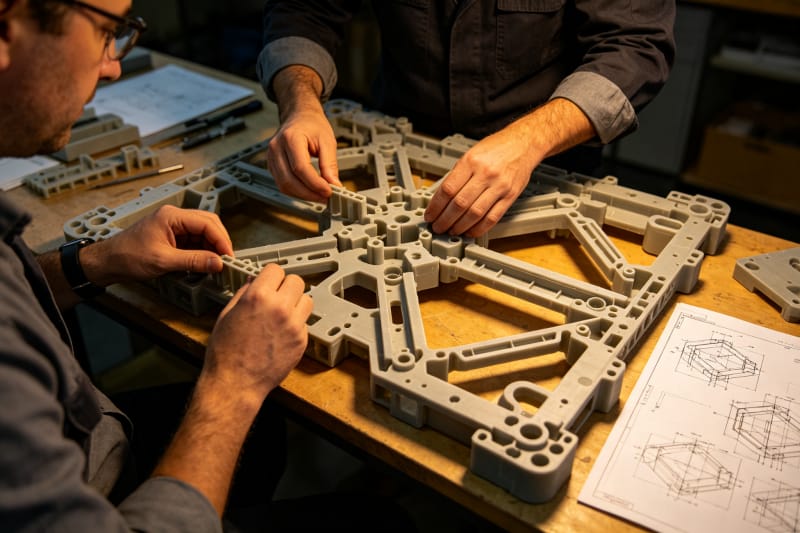
Material and Process Selection for Cost Efficiency
Choosing the right material and process for large scale 3d printing is where many industrial buyers overspend. FDM with engineering-grade ABS or ASA is the most cost-effective option for large structural parts, prototypes, and low-volume manufacturing runs where surface finish is secondary to function. SLS nylon offers higher complexity and better mechanical properties but costs significantly more for large parts due to machine time and material cost. Resin-based large format printing delivers excellent surface finish but has limited build volume and higher material cost. At HUANYA, we match the process to the application rather than defaulting to the most expensive option, and we are transparent about the trade-offs so you can make an informed decision based on your actual requirements, not marketing claims.
Material selection also drives long-term cost beyond the initial print. For parts that will see outdoor exposure, UV-stabilized ASA costs slightly more upfront but avoids the degradation and replacement costs of standard ABS. For parts requiring chemical resistance, PETG may cost less than specialty nylons while meeting the requirement. For large structural prototypes that do not need final material properties, a lower-cost prototyping filament can validate form and fit before committing to expensive production materials. We also offer material savings through optimized infill—using 10 to 20 percent infill with appropriate wall thickness for most structural applications, and solid infill only where truly needed. The result is industrial 3d printing that delivers the required performance at the lowest possible material cost.
End-to-End Cost Control from Quote to Delivery
True cost control in large scale 3d printing extends beyond the print itself. At HUANYA, we provide transparent, itemized quotes that break down material cost, machine time, support structure, post-processing, and shipping, so you can see exactly where your money goes and make trade-off decisions with full information. We offer build volume optimization—combining multiple parts from the same or different orders into a single build to reduce per-part machine time, passing the savings to you. For low volume manufacturing runs, we batch parts efficiently and schedule builds to minimize idle machine time, which translates directly to lower per-unit cost. We also provide design-for-cost feedback at the quote stage, not after you have already committed, so you can adjust your design before money is spent.
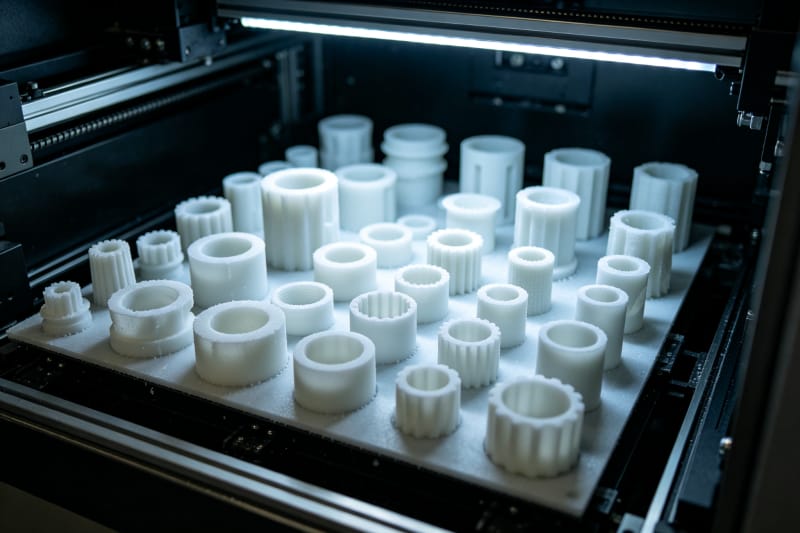
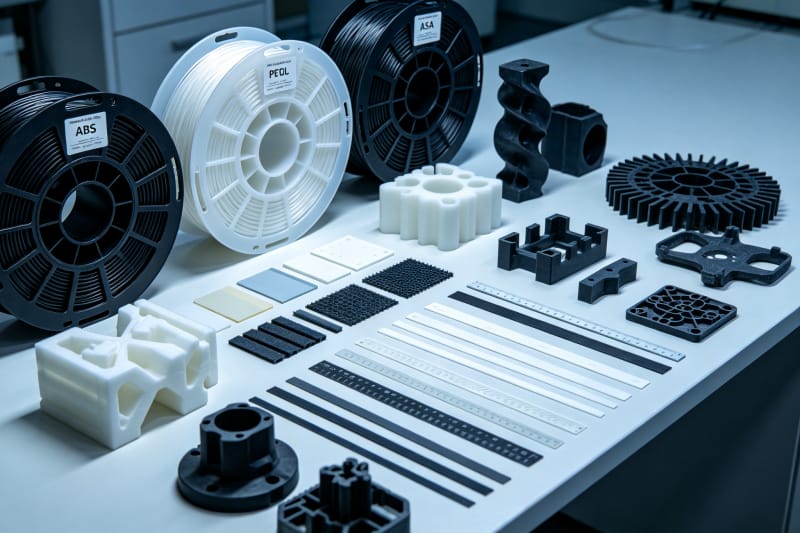
Delivery and logistics are often overlooked cost factors for large parts. Oversized packaging, freight surcharges, and damaged parts in transit can add unexpected costs. We design packaging specifically for each large part, using protective foam and rigid containers to prevent damage, and we work with multiple carriers to find the most cost-effective shipping option for your location and timeline. For repeat low volume manufacturing orders, we keep process parameters and material lots on file, ensuring consistent quality and reducing setup time on subsequent runs. Whether you need one large prototype or fifty production parts, HUANYA delivers large scale 3d printing that is engineered for cost without compromising quality. Contact us today with your models and requirements for a transparent, optimized quote within one business day.


Leave a Comment