
 English
 French
 Deutsch
 العربية
 Español
 Русский
 にほんご
にほんご Português
 한국어
한국어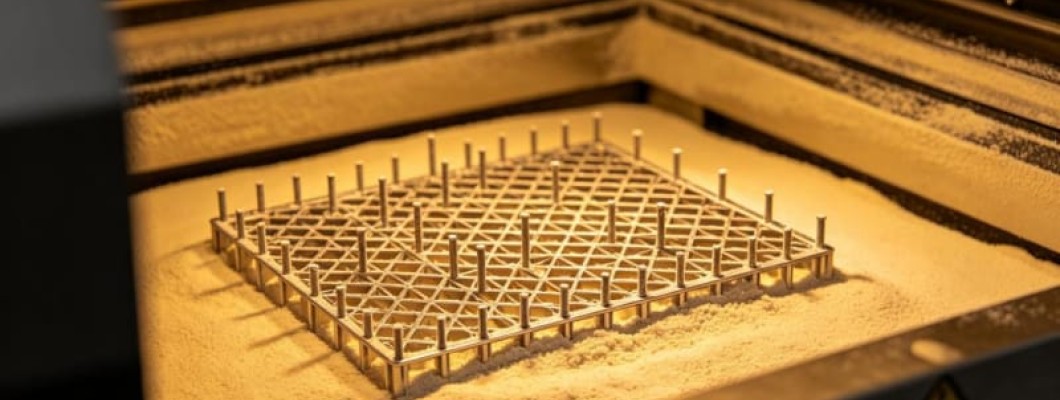
What online metal printing actually is
Ordering metal printing online does not mean clicking buy on a steel shape. It means uploading a CAD file to a service that runs industrial powder bed fusion machines in a controlled shop, and receiving a qualified alloy component weeks later. The machine does the shaping, but the shop controls powder lot, atmosphere, build parameters, heat treatment and inspection, and those controls decide whether the part is engineering ready or just a solid lump of stainless.
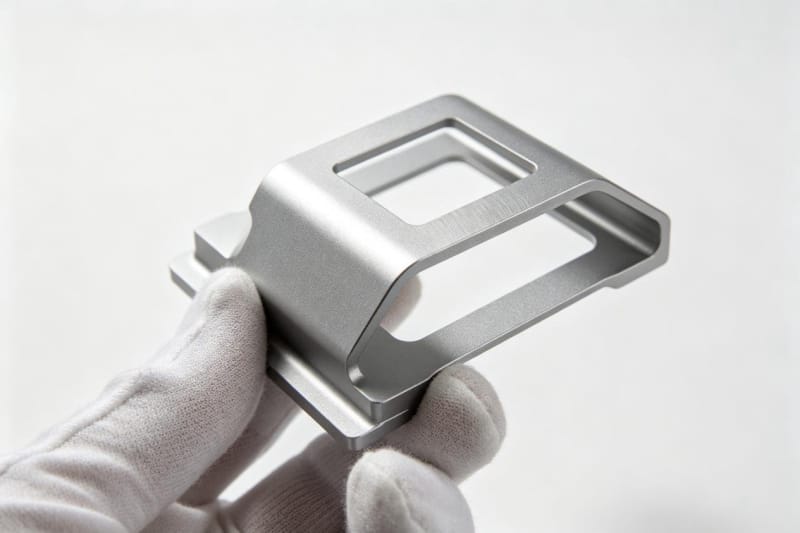
Buyers who have only ordered plastic parts often expect the same experience: upload, instant price, box at the door. Metal is different. A single build plate costs real money, the alloy is bought by the kilogram, and a failed build means restarting from stress relief. A serious metal printing online quote therefore returns process notes, expected lead time and a list of included post processing, not just a number. That gap between plastic and metal is where most buyer surprises come from.
Which alloys make sense to buy online
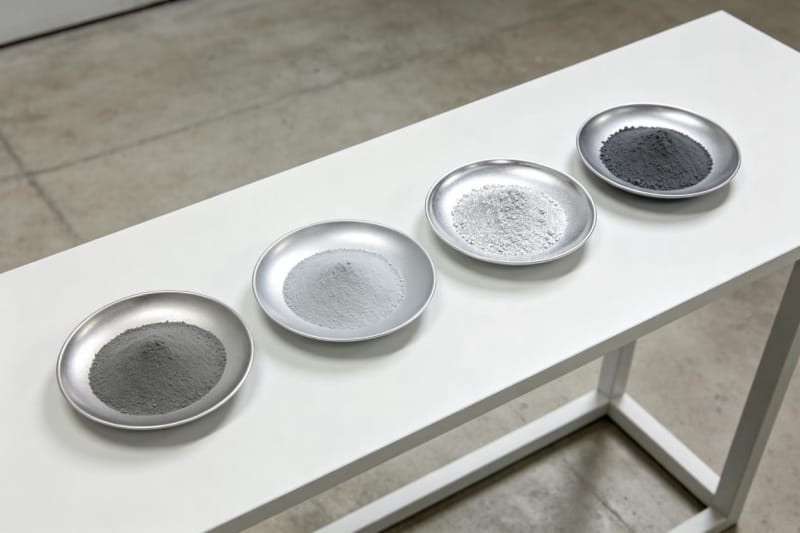
The alloy you choose sets strength, weight, corrosion behavior and price more than the geometry does. The right online metal shop offers a short menu of qualified alloys rather than every powder on the market, because qualification, traceability and repeatability cost real effort. The table below pairs the most common production alloys with what buyers usually order them for, and the practical note that changes how you design.
Alloy | Typical buyer application | What to know before ordering |
17 4 PH stainless | Fixtures, brackets, functional prototypes | Hardens after aging; confirm heat treatment state |
AlSi10Mg aluminum | Lightweight housings, cooling channels | Low density, fine surfaces; watch surface fatigue |
Ti6Al4V titanium | Aerospace brackets, medical hardware | Requires supports and controlled atmosphere |
316L stainless | Corrosion resistant and food contact parts | Ductile and weldable; larger builds take longer |
Inconel 718 | Hot tooling and high temperature parts | Slow and expensive; use only when needed |
Design rules that metal follows and plastic does not
Metal powder bed fusion is not just plastic printing in steel. Thermal gradients inside the chamber pull the part toward distortion, so walls, ribs and overhangs need different proportions than a PLA bracket. Thin unsupported walls curl; heavy masses sink into the powder; small holes close up unless they are planned. The part that prints perfectly in nylon may crack or crackle in titanium for reasons that have nothing to do with the STL itself.
Buyers get the best result by thinking like a machinist before the file leaves their desk. Keep wall thickness within a qualified range, design generous radii, orient features so supports land on non critical faces, and keep channels and internal volumes drainable. A metal 3d printing service reviews these points before it even prices the build, and an aluminum 3d printing service will usually ask for a thermal simulation note on thin ribs. Skip the review, and the first invoice pays for redesign instead of parts.
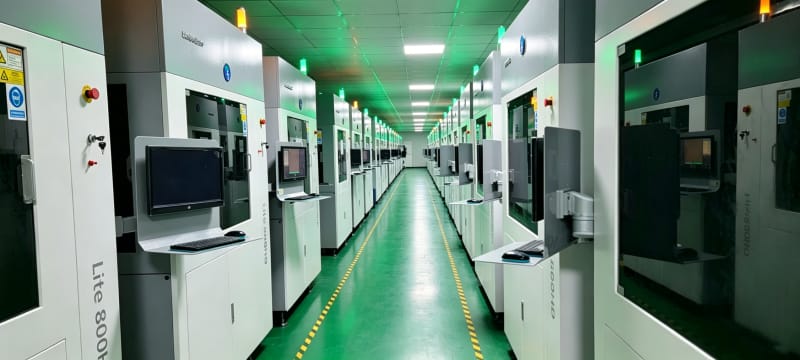
The hidden steps between printer and delivered part
When a build plate leaves the machine, the component is not finished. It is hot, it is stressed, and it is still bolted to the plate. Real alloy parts go through a sequence of steps that a hobbyist printer never does, and skipping any of them quietly changes the mechanical result. This is the work that justifies the price of a serious metal shop, and it is the work a too cheap quote usually drops.
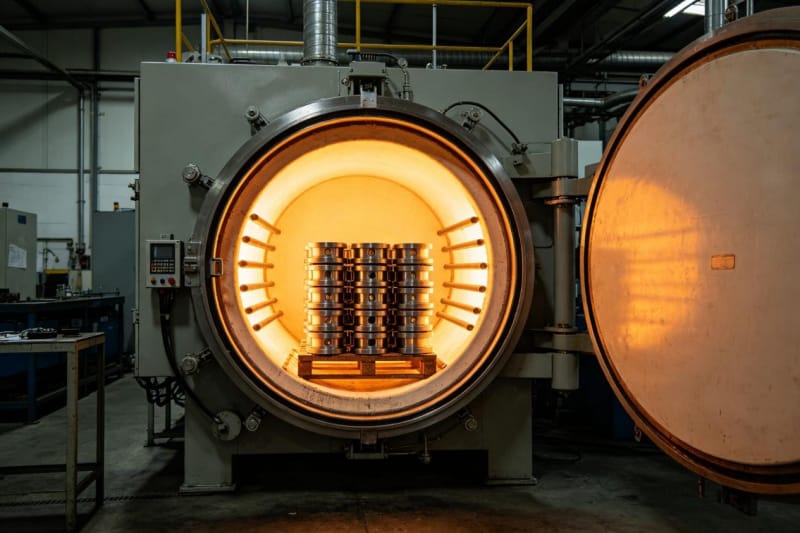
The sequence starts with stress relief on the plate, because a part that comes off cold can warp after removal. Then supports are cut away, often by wire EDM, and contact surfaces may need wire or mill finishing where a thread, seal face or register must hold tolerance. Thermal steps such as HIP close internal porosity for fatigue critical parts, and surface finishing removes the rough as printed skin. Each step adds a day or two, but each step also changes what the part can do in service.
A common buyer mistake is judging suppliers only by price per cubic centimeter. A cheap per cc number that skips HIP, skips controlled stress relief, or ships with raw support marks will fail in an assembly long before it fails in the inbox. A transparent supplier instead lists each thermal and mechanical step on the quote. The ranges below are typical practice in production metal printing, not HUANYA fixed values, and every part should confirm its own route with engineering.
Post process step | Why it exists | Typical effect on the part |
Stress relief on plate | Relieve built in residual stress | Stays dimensionally stable after removal |
Support removal by EDM | Separate part without damaging surface | Less hand grinding, cleaner datum faces |
Heat treatment or aging | Reach target strength state | Mechanical spec met, not as built |
HIP for critical parts | Close internal pores | Better fatigue life, density improved |
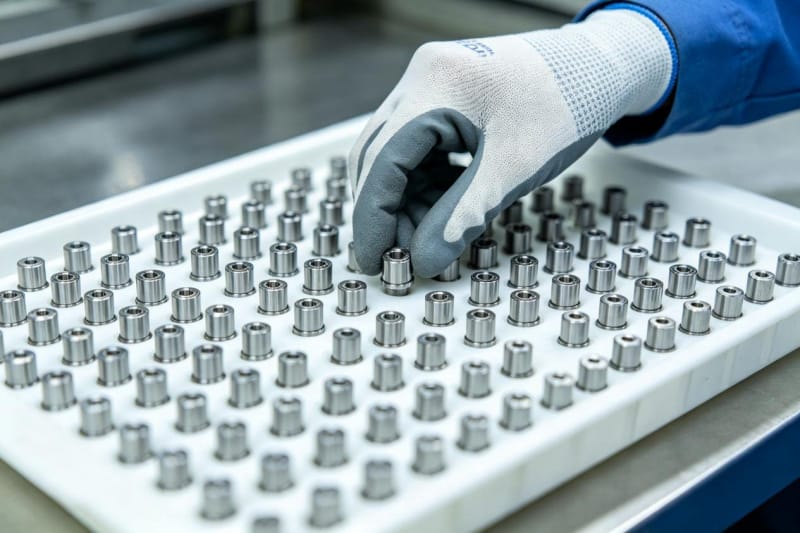
Surface and CMM inspection | Prove geometry and material | First article matches every reorder |
Why metal quoting is not plastic quoting
A plastic quote can be instant because material is cheap and a failed print is a few hours. A metal quote is never instant and should not pretend to be. Powder cost per kilogram is high, build rates are slow, and each machine needs a controlled atmosphere, oxygen monitoring and periodic powder handling. A supplier that returns a metal price in seconds is either quoting plastic and calling it metal, or hiding the review that prevents a failed build. A stainless steel 3d printing order in 316L, for example, needs powder traceability notes before any number goes out. Laser metal printing rewards the suppliers who take an hour before answering, not the ones who take a second.
The useful metal quote therefore looks different. It names the alloy and powder lot policy, the build orientation it recommends, the heat treatment it will apply, and the inspection it will perform. Buyers comparing two quotes should first check that both list the same route. A quote that says 316L delivered in five days and another that says 316L after stress relief, support cut and CMM are not the same product, even if both say stainless.
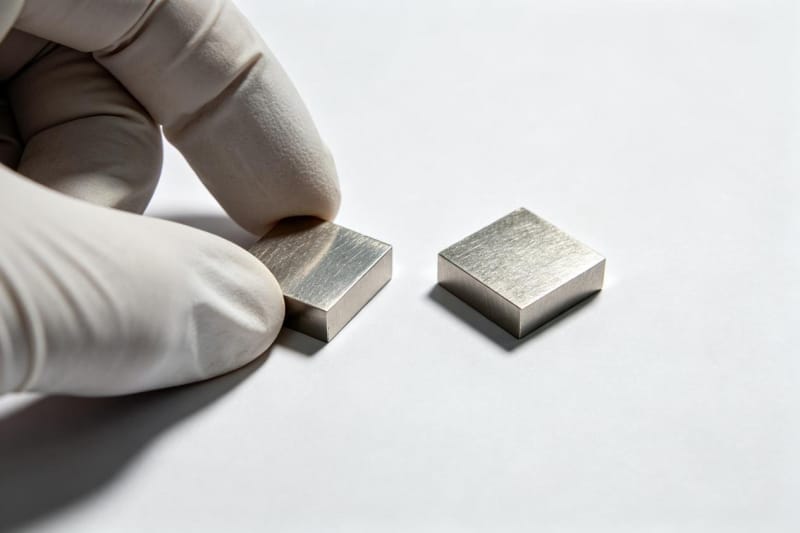
Quality checks a serious online shop includes
Metal parts fail silently. A part that looks perfect on the bench can hide porosity, off spec chemistry or a wall that drifted 0.2 mm from nominal. A serious online metal shop does not rely on the naked eye. It checks powder properties, logs machine parameters per build, runs density or coupon tests where the part is safety relevant, and measures critical dimensions on a CMM. The buyer receives the part and, on request, the records that prove it.
This is where HUANYA keeps the three things buyers hate most out of the box. First, dimensional consistency across batches: the sixth part matches the first because the parameters, heat treatment and inspection route are locked, not re invented each run. Second, on time delivery: metal builds are scheduled against real machine availability, so the promised date is a plan, not a hope. Third, consistent finish: bead blast, EDM support removal and inspection follow one written route, so post processing quality does not drift between orders. Cheap shops sell the printer; HUANYA sells the qualified route around it.
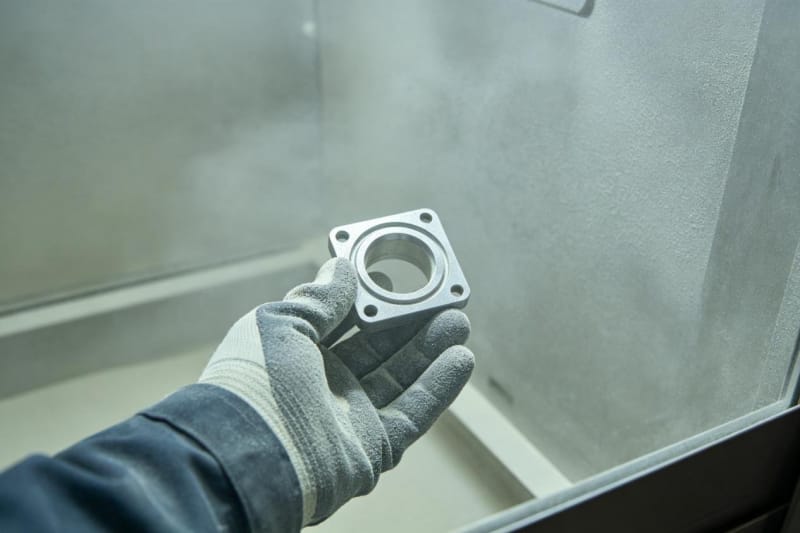
Reorders and consistency
The first order proves the design. The second order proves the supplier. A metal buyer who returns six months later should receive a part that matches the first article in strength, surface and geometry, because the buyer is now assembling, not experimenting. That only happens when the supplier stores the approved build file, the approved parameters and the approved post process, and reruns the same recipe instead of improvising each batch.
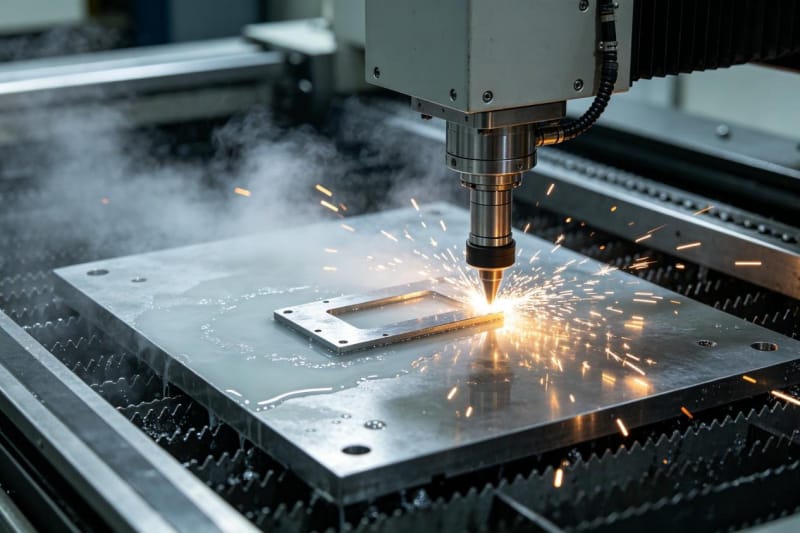
Repeat buyers also care about cost discipline. Powder is expensive, so nesting, build height and lot consolidation matter more in metal than in plastic. HUANYA reviews each repeat order for better nesting without changing geometry, and tells the buyer when a small design change would lower cost without touching function. The alloy on the shelf is logged, the powder is reused within qualified limits, and the buyer is never surprised by a price jump because the lot happened to be new.
Order your metal parts with HUANYA
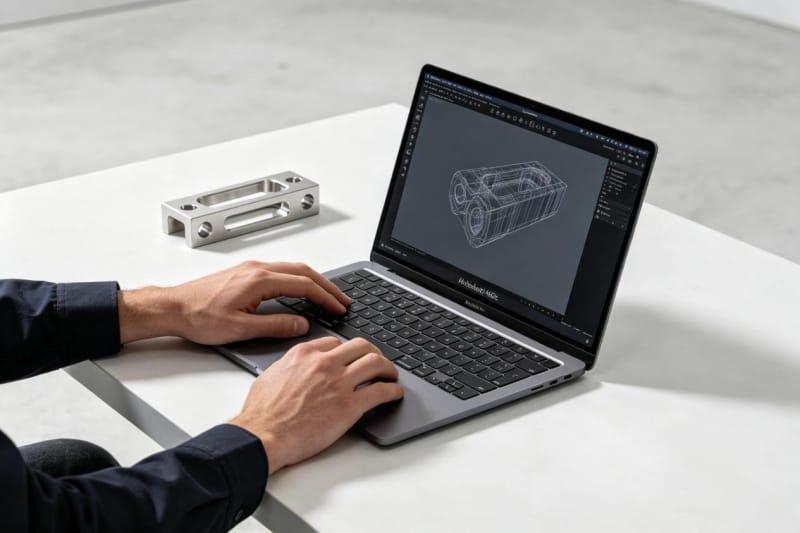
Upload your STEP or IGES file to HUANYA, name the alloy, the load case and the quantity, and receive a quote that names powder policy, heat treatment and inspection instead of one bare number. Compare it as alloy, route and record, and the right online metal printing partner usually becomes clear on the first read.


Leave a Comment