
 English
 French
 Deutsch
 العربية
 Español
 Русский
 にほんご
にほんご Português
 한국어
한국어
03 Sep
Why Multi Color 3D Printing Matters for Functional Parts
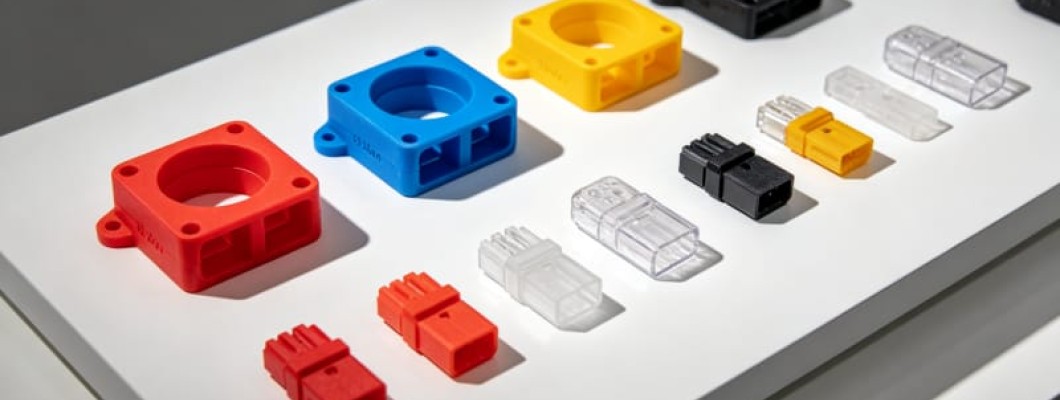
Multi color 3D printing is no longer just for display models and marketing prototypes. When engineered correctly, colored functional parts can eliminate secondary painting, reduce assembly steps, and embed visual identification directly into the component itself. A medical device housing with color-coded buttons, an industrial connector with polarity indicators, or a consumer product with brand-matched accents—all can be produced in a single print run without post-print painting. At HUANYA, we help B2B clients understand that the right multi color 3d printing approach depends entirely on the material, because color is not a surface coating but an integral part of the material matrix that affects mechanical performance.
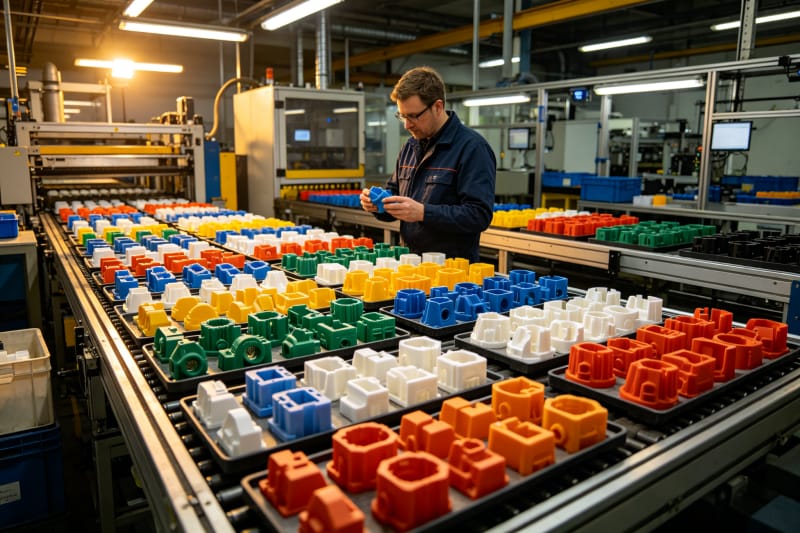
The biggest misconception is that any material can be printed in multiple colors with the same results. In reality, each 3d printing materials family handles color differently. FDM filaments come pre-colored and offer the widest color range, but layer lines and color bleed at boundaries can affect surface finish. Resin-based systems can produce vivid colors but may require post-curing that alters shade. Nylon powders accept dyeing after printing, giving deep penetration but limited color precision. Choosing the wrong material for a functional application means your parts may look great but fail under load, or perform well but fade and discolor in sunlight. The key is matching material properties to both the mechanical requirements and the color expectations before a single layer is printed.
Material Options That Deliver Both Color and Function
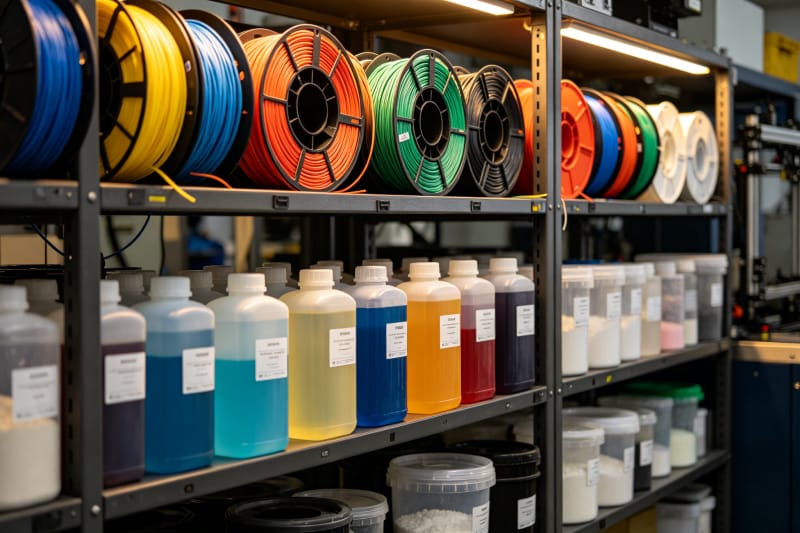
For custom 3d printing projects requiring structural integrity plus multiple colors, FDM engineering filaments remain the most versatile choice. ABS offers good impact resistance and a broad color palette, making it ideal for housings and enclosures. PETG combines chemical resistance with glossy color fidelity and is easier to print than ABS. TPU in multiple durometers and colors produces flexible seals, grips, and wearable components where elasticity matters. Carbon-fiber-reinforced filaments can be pigmented to add structural stiffness while maintaining a distinct color identity. The tradeoff is that FDM multi-color parts show visible layer lines and color transitions, so they are best suited for functional components where surface smoothness is secondary to mechanical performance.
For functional 3d printed parts requiring smooth surfaces and fine color detail, resin-based multi-material systems excel. Rigid resins in custom Pantone-matched colors produce enclosures and consumer-facing components with injection-molded-like finish. Flexible resins can be co-printed with rigid resins to create overmolded grips and soft-touch buttons in different colors. Nylon (PA12) parts printed via SLS or MJF can be dyed in a range of solid colors after printing, and the dye penetrates the surface so scratches do not reveal a different substrate. Metal parts can also be color-anodized or powder-coated post-print for branding purposes. At HUANYA, we evaluate each project's load requirements, environmental exposure, and color specifications to recommend the material combination that performs as well as it looks.
Quality Control for Multi Color Functional Parts
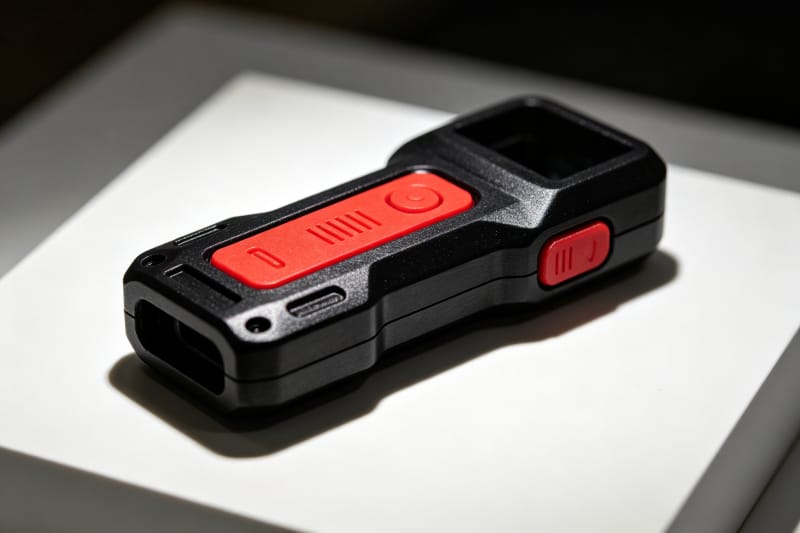
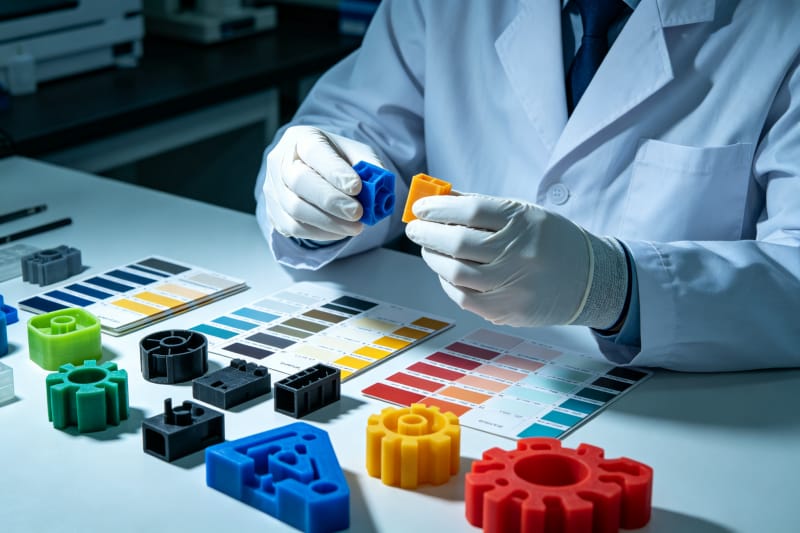
Producing multi color functional parts at consistent quality requires tighter process control than single-color printing. Color consistency across a batch depends on material lot traceability, calibrated extrusion temperatures, and stable chamber conditions. A two-degree temperature swing can cause a filament to extrude slightly differently, shifting color saturation or causing delamination at color boundaries. HUANYA maintains material lot records for every batch and runs first-article color verification against approved physical swatches before full production begins. For resin parts, we control cure time and UV exposure precisely, because over-curing yellows light-colored resins and under-curing leaves parts tacky and dimensionally unstable.
Dimensional accuracy is equally critical. Multi-color prints often involve tool changes or material swaps, and each transition introduces a small risk of misalignment. We verify critical dimensions on every batch using calipers and coordinate measuring machines, ensuring that color boundaries align with design intent and that functional features—mounting holes, snap fits, bearing seats—fall within tolerance regardless of which material occupies that region. Surface finish consistency is checked against reference samples, and parts with visible color bleed, layer separation, or surface defects are rejected. The result is multi color 3d printing output that meets both cosmetic and engineering specifications, batch after batch.
From Prototype to Production with Multi Color Parts
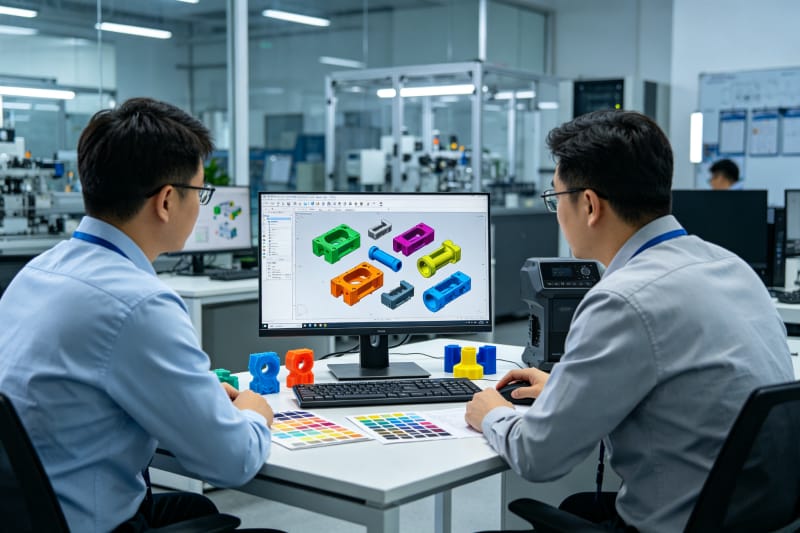
The path from a multi-color concept to production-ready functional parts starts with design for additive manufacturing. Color boundaries should be placed along natural part lines or in non-critical areas to minimize the impact of any slight misalignment. Avoid thin features that span two colors, because the bond zone between dissimilar materials is inherently weaker. HUANYA provides DFM feedback early in the process, flagging designs where color placement compromises structural integrity and suggesting alternatives that maintain the visual intent. We also produce physical color swatches in the selected material so you can approve exact shades before committing to a full run, eliminating surprises caused by on-screen color rendering.
Once the design and material are locked, we scale from prototype to small-batch production with the same equipment and process parameters, ensuring the first part matches the five-hundredth. Our custom 3d printing workflow supports multi-color FDM, multi-material resin, and dyed nylon under one roof, so you are not forced to split your project across multiple vendors. Whether you need fifty color-coded industrial connectors or five hundred branded consumer enclosures, HUANYA delivers functional 3d printed parts that look as good as they perform. Contact us today with your design and color requirements, and receive a material recommendation and quote within one business day.


Leave a Comment