
 English
 French
 Deutsch
 العربية
 Español
 Русский
 にほんご
にほんご Português
 한국어
한국어
The Hidden Cost of Slow Product Development Cycles
Every week your product stays in the development phase is a week your competitors are capturing market share. Traditional prototyping workflows—CNC machining, injection molding tooling, vacuum casting—force engineering teams into a painful waiting game. A single design iteration can take two to six weeks, and by the time the prototype arrives, the market may have already shifted. At HUANYA, we have seen B2B clients lose entire product windows because their prototyping partner could not deliver a simple 3d printing prototype fast enough. The cost is not just the machining bill; it is the missed revenue, the delayed feedback, and the engineering hours wasted waiting for parts that could have been printed in forty-eight hours.
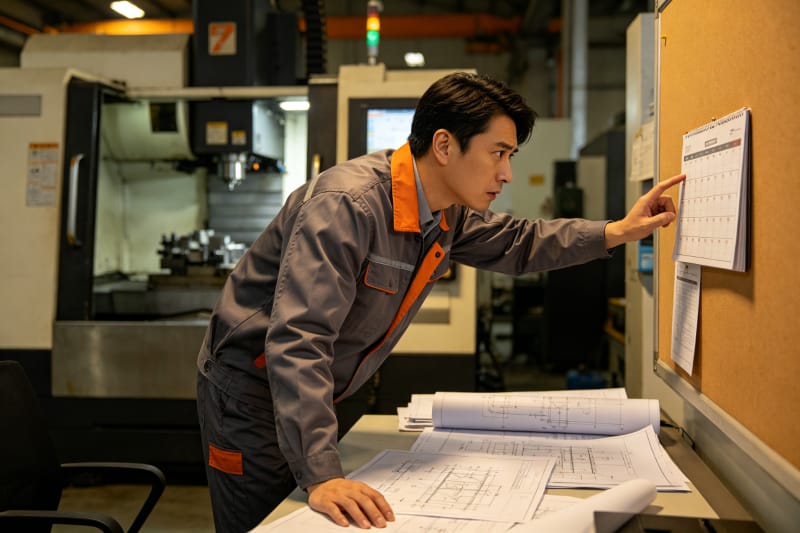
The problem compounds when you need multiple iterations. Each design tweak triggers a new purchase order, a new setup fee, and another two-week lead time. Teams that should be testing five or six design variants end up testing one or two, simply because the economics of traditional prototyping punish experimentation. This is why so many products launch with known flaws—teams never had the chance to iterate their way to a better solution. A custom 3d printing service eliminates this bottleneck entirely, letting you move from CAD file to physical prototype in days, not weeks, and giving your engineers the freedom to test boldly instead of conservatively.
From Months to Days The Speed Equation
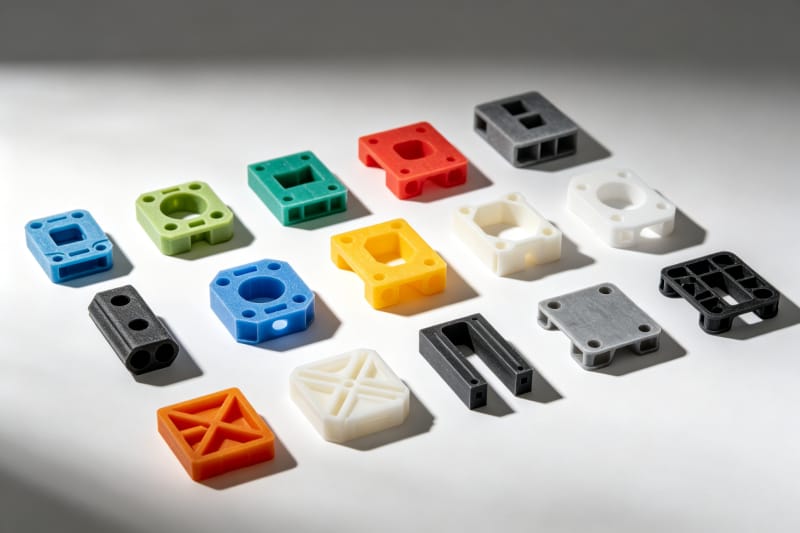
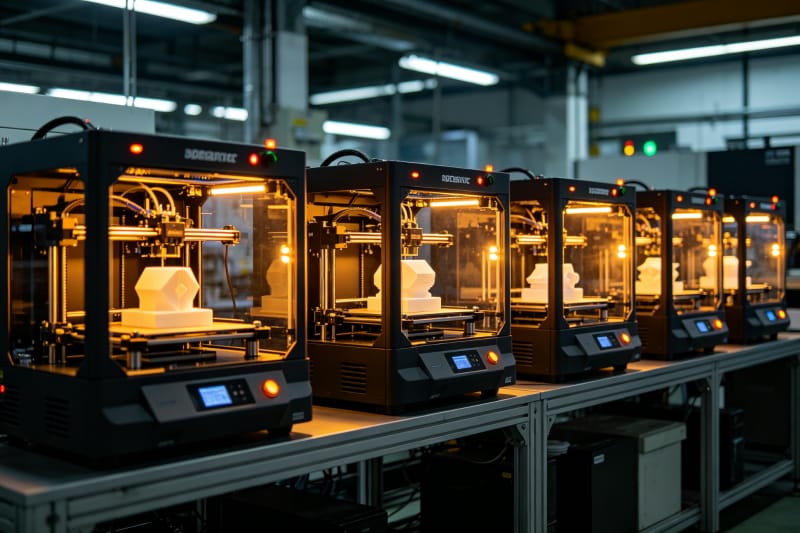
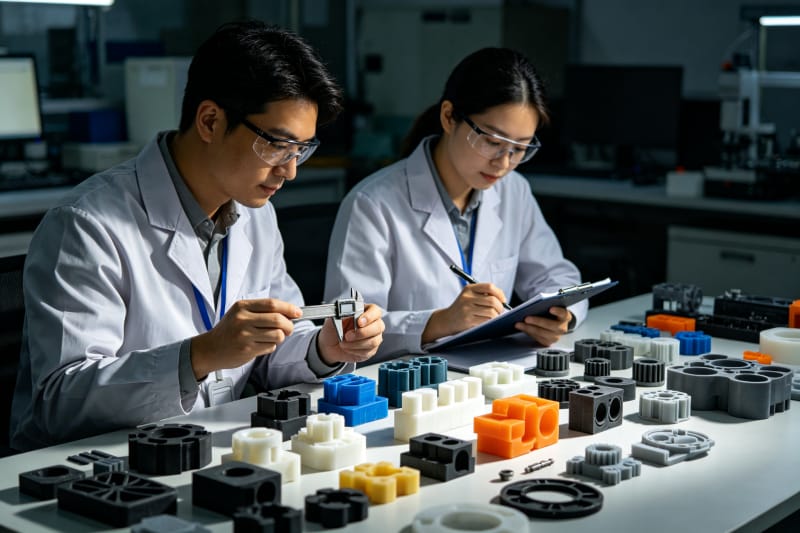
Rapid prototyping 3d printing rewrites the timeline of product development by removing every non-value-added step. There is no tooling to design, no CNC program to write, no fixture to build. You upload a CAD file, select a material, and the printer starts building. At HUANYA, our industrial printer fleet operates around the clock, which means a prototype submitted on Monday can be in your hands by Wednesday. This is not incremental improvement—it is a tenfold acceleration of the iteration cycle. A medical device client recently needed twelve iterations of an ergonomic handle; with our 3d print service, they completed all twelve in three weeks, a process that would have taken six months with traditional machining.
The speed advantage extends beyond just printing. Because 3D printing has no setup costs or minimum order quantities, you can parallelize your testing. Print three different wall thicknesses, two different latch mechanisms, and four different surface textures simultaneously, then test them all in a single review session. Traditional prototyping forces sequential testing because each variant costs money and time to produce. With rapid prototyping 3d printing, you test everything at once, make a decision, and move on. The result is a development cycle that is measured in weeks instead of months, and a product that reaches the market while it is still relevant.
Catching Design Flaws Before They Cost You
The most expensive moment to discover a design flaw is after you have cut production tooling. A fit issue, a weak point, or an ergonomic mistake that costs a few dollars to fix in prototyping can cost tens of thousands to fix in a hardened steel mold. Rapid prototyping 3d printing lets you catch these flaws early, when they are still cheap to fix. At HUANYA, we routinely help clients identify assembly interference, thermal warping, and structural weaknesses during the prototype phase that would have been catastrophic at production scale. One automotive client discovered a critical clearance issue in a bracket prototype that their CAD software had completely missed—finding it before tooling saved them an estimated forty thousand dollars and a three-week delay.
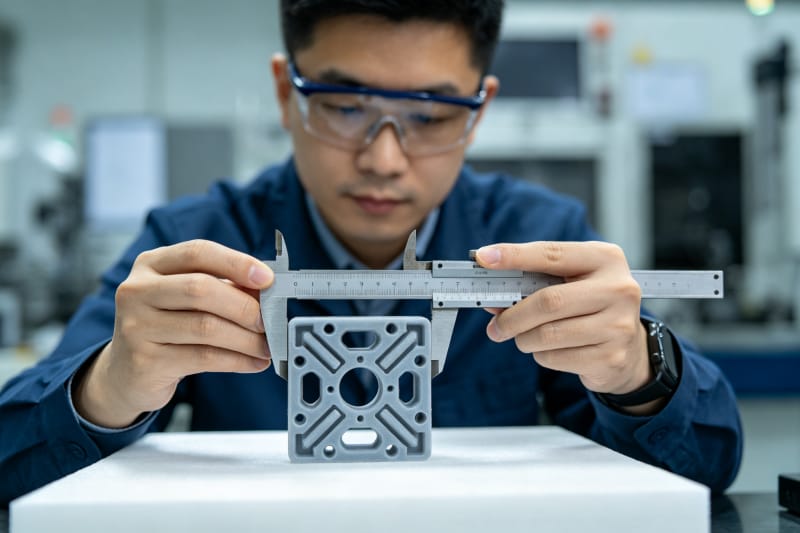
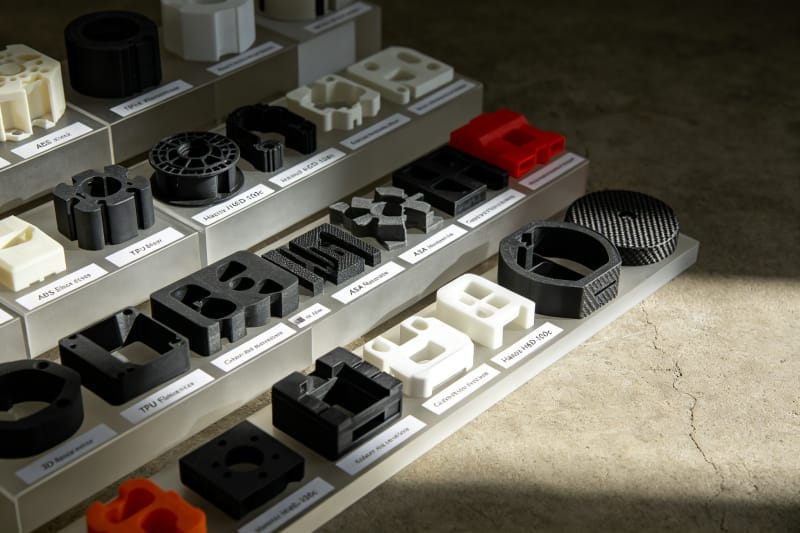
Beyond catching flaws, physical prototypes enable a kind of feedback that digital models simply cannot provide. Stakeholders can hold the part, test its weight, feel its ergonomics, and understand its scale in a way that no rendering can communicate. This leads to better decisions earlier in the process. A custom 3d printing service also lets you test with real materials—engineering-grade ABS, flexible TPU, heat-resistant ASA, carbon-fiber-reinforced composites—so your prototype behaves like the final product, not a fragile representation. When you test with the real material, you get real results, and you make real decisions with confidence.
Bridging Prototype to Production Without Missing a Beat
The transition from prototype to production is where many development cycles stall. You have a validated design, but now you need production tooling, which takes another eight to twelve weeks. HUANYA solves this gap by offering small-batch production runs alongside our prototyping services. While your injection molds are being built, we can produce hundreds or thousands of parts using 3D printing, letting you launch early, fulfill initial orders, and generate revenue before traditional manufacturing is even online. This bridge capability is why our 3d print service is trusted by B2B clients who cannot afford to wait.
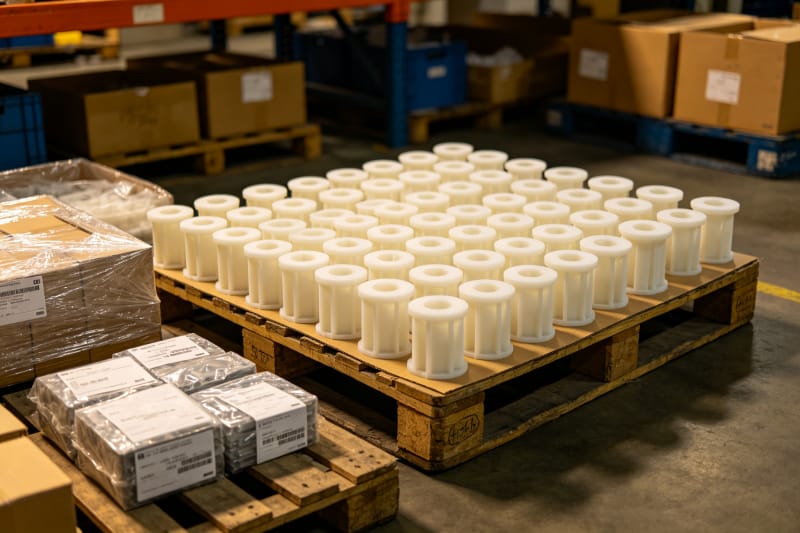
The future of product development belongs to companies that can iterate faster than their competitors. Rapid prototyping 3d printing is not just a faster way to make prototypes—it is a fundamentally different approach to development, one that rewards experimentation, catches problems early, and compresses timelines at every stage. Whether you need a single concept model or a five-hundred-piece pilot run, HUANYA has the technology, the materials, and the operational discipline to deliver. Stop waiting for parts that should already be on your test bench. Upload your design today and experience what a truly accelerated development cycle feels like.


Leave a Comment