
 English
 French
 Deutsch
 العربية
 Español
 Русский
 にほんご
にほんご Português
 한국어
한국어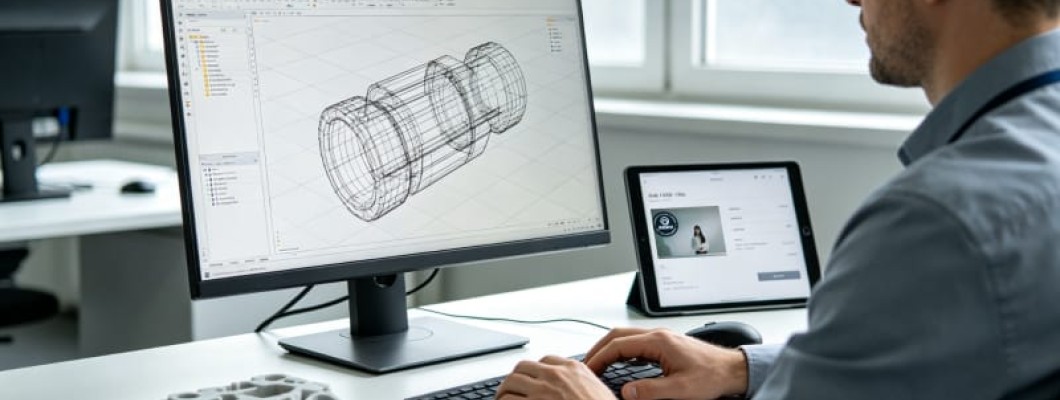
What an ERP actually does inside a 3D printing factory
Asking whether a 3d printing factory needs an ERP system is really a question about how orders, machines, materials and quality records are connected. An ERP (enterprise resource planning) core, usually paired with an MES (manufacturing execution system) on the shop floor, turns every order into one linked record: the uploaded CAD revision, the quoted price and lead time, the chosen process and material, the machine slot, the post-processing route, the inspection results and the shipment. Instead of the same information being retyped across quote sheets, chat threads and machine notes, it is entered once and reused everywhere.
For an additive plant this matters more than in a conventional workshop, because each order is effectively a new product. Different files, materials, layer settings, orientations and finishes flow through the same printers every day. Without a shared system the operation depends on individual memory; with one, every step inherits the data decided at quoting, so what the customer approved is exactly what reaches the machine.
When spreadsheets and chat threads stop scaling
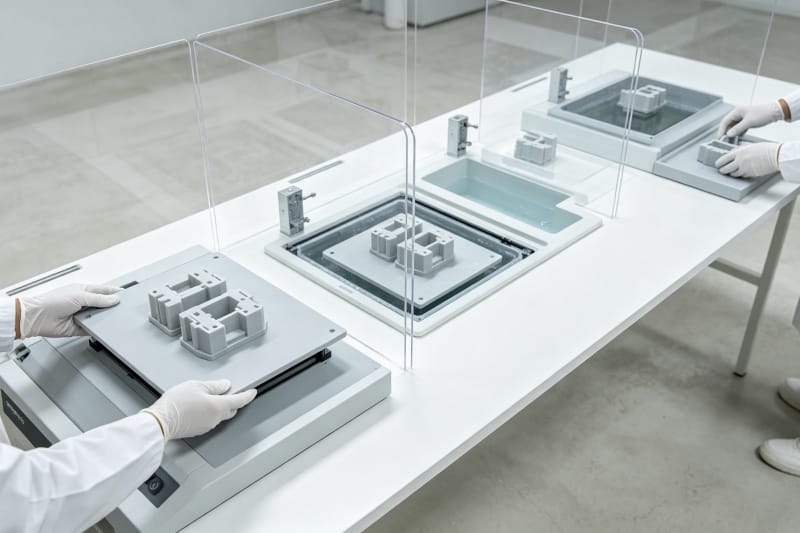
A small 3d printing manufacturer can run on spreadsheets for a while, but the limits appear once dozens of active orders share a fleet of machines: a file version quoted in an email differs from the one sent to production, two jobs are promised on the same machine on the same day, a material lot cannot be traced after delivery, or a polishing step is forgotten because it lived only in an operator's memory. Table 1 lists the warning signs buyers can actually ask a supplier about.
Warning sign | Without an integrated system | What an ERP enforces |
Same file quoted twice at different prices | Versions scattered across inboxes and sheets | One master quote linked to the exact CAD revision |
No one knows which machine is free | Planners walk the floor or message operators | Live capacity calendar with reserved build slots |
Material lot unknown after shipment | Reels, resin bottles and powder drums unlinked to orders | Lot number attached to every work order |
A post-processing step is skipped | Routing kept in someone's memory | Mandatory routing checklist before completion |
Inspection data lives on loose paper | Records lost, filed late or impossible to find | Digital inspection record tied to the part |
Reorder differs from the first batch | Parameters were never archived | Stored production record reused automatically |
Quotes and orders without re-entry errors
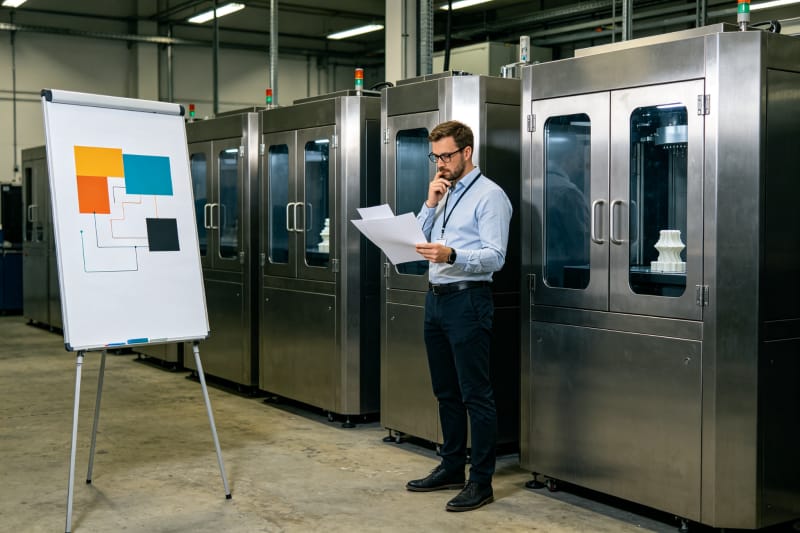
The first benefit appears before production even starts. When an online 3d printing service runs on an integrated system, the uploaded model, its revision, the selected process and material, the DFM feedback and the quoted price stay in one record from first contact to invoice. No one retypes dimensions or quantities into a second spreadsheet, which removes the classic error class where a 20-part order becomes 10 on the floor, or a quoted material is silently swapped for a similar grade.
The quote record also captures assumptions explicitly: standard versus expedited lead time, which surfaces are cosmetic, which dimensions are critical, and whether inserts, threads or painting are included. When the customer approves, those assumptions convert into the work order without translation, so the sales promise and the production instruction are the same document rather than two interpretations.
Scheduling machines, materials and post-processing as one plan
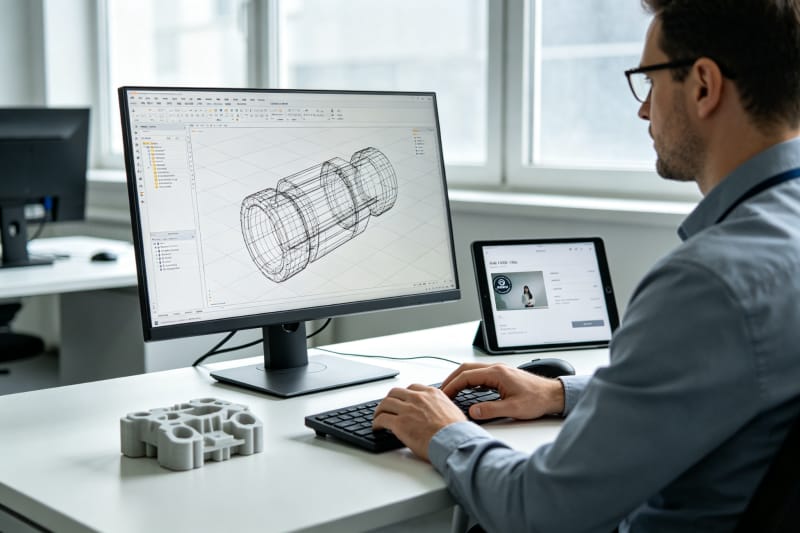
3D printing capacity is harder to plan than it looks. A single build can hold many nested parts, different processes have different cycle times, and SLA parts still need washing and UV curing after the machine finishes. An MES-aware ERP treats printer time, curing time, operator time and finishing stations as finite shared resources, then reserves them together so a job is never marked "printing done" while the cure chamber is booked for another customer.
Materials are scheduled on the same screen. The system checks stock of the exact filament, resin or powder, reserves the required quantity against the work order and flags expiry or low stock before the build starts, rather than discovering a missing reel the night before shipment. That single check prevents the quiet delays that happen when a job is paused waiting for material no one had reserved.
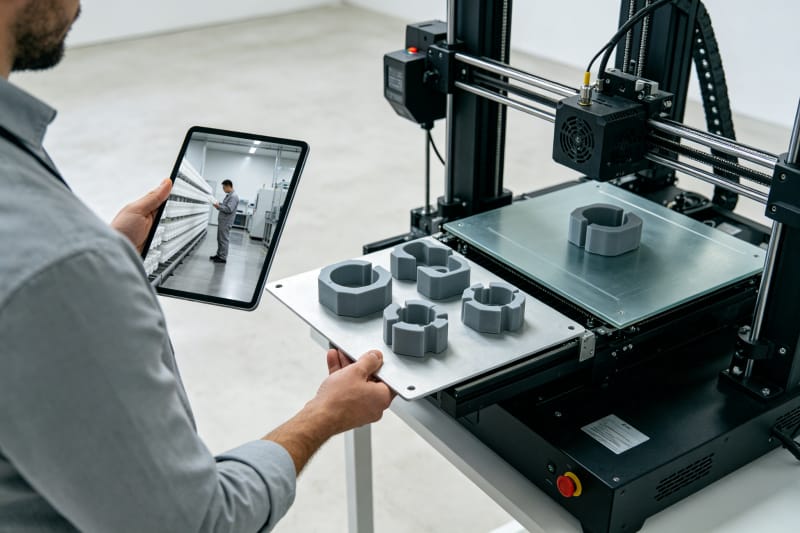
Table 2 maps the core modules to what they actually control on the shop floor and what the buyer experiences as a result.
Module | What it controls on the shop floor | What the buyer sees |
CRM and quotation | Customer file, CAD revision, quote versions, DFM notes | Consistent quote and one accountable contact |
Scheduling / MES | Machine slots, build trays, nesting, work orders | A realistic, confirmed lead time |
Inventory and material lots | Reel, resin and powder lots, stock and expiry | The correct certified material, never silently swapped |
Quality management | First-article and in-process inspection data | Critical dimensions measured before shipment |
Post-process routing | Blasting, polishing, painting, curing steps and owners | The same finish recipe on every batch |
Shipping and logistics | Packing, carrier booking, tracking | Production and transit time quoted separately |
Master-data archive | Process, orientation, parameters, finish recipe | Identical, traceable repeat orders |
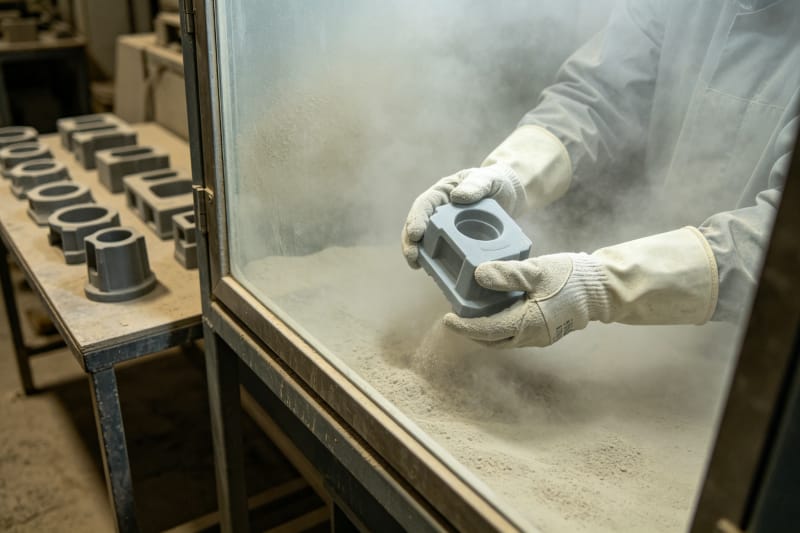
Traceability that protects dimensional accuracy
For functional parts, the ERP's quality module is where dimensional consistency is actually won. Each work order carries its material lot, machine, build orientation, parameter profile and inspection record; when a critical bore or mating face is measured, the result is stored against that order rather than in a technician's notebook. If a customer ever asks why a part behaves a certain way, the factory can trace the exact material batch and settings that produced it instead of guessing.
This is the structural answer to the fear of unstable dimensions between batches. At HUANYA, inconsistent part size or accuracy from one order to the next simply does not occur: machines follow a fixed calibration schedule, material lots are tracked in the system, and critical dimensions are measured and recorded before any box is sealed. The ERP does not inspect parts by itself, but it makes skipping or losing that inspection impossible.
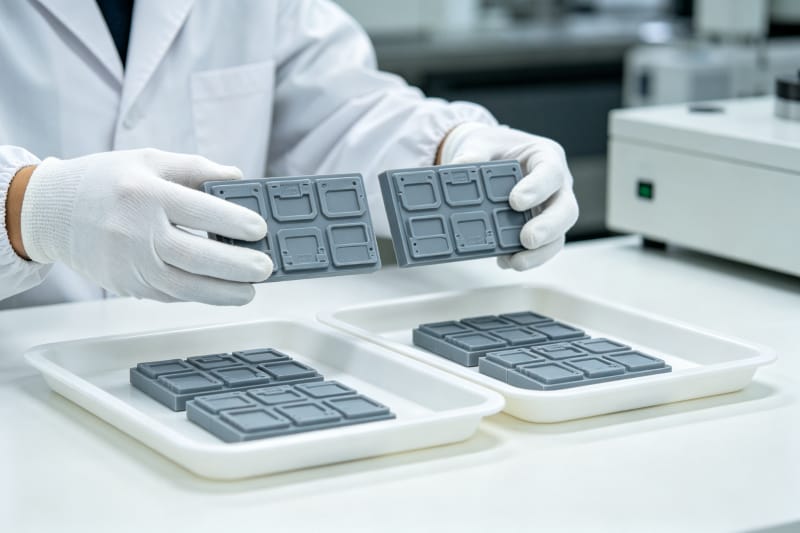
Post-processing that matches across every batch
Most perceived "3D printing quality" is decided after printing, in support removal, blasting, sanding, curing, painting and assembly. An ERP stores the finish route as a controlled sequence with named owners and recorded parameters — cure time, sanding grit sequence, coating thickness, colour recipe — so the same part made three months later follows the identical route instead of whichever operator happened to handle it.
Batch-to-batch variation in finishing is one of the three problems HUANYA customers never meet. Because the routing checklist cannot be closed until every step is confirmed in the system, an SLA master and its reorders leave the line visually identical, and FDM or nylon parts keep the same surface roughness whether produced this week or next quarter. What was approved on the first article becomes a reusable, enforced standard.
Lead times, shipping and repeat-order reliability
A connected ERP separates production time from transit time and schedules against real capacity, which is the honest way to promise a date. When an order is confirmed, its machine slot, finishing slot and packing time are reserved immediately; the carrier is booked against the actual pickup day. Silent queues, forgotten sub-steps and last-minute outsourcing therefore cannot push a delivery without anyone noticing — the planner sees the conflict on the screen before the customer feels it.
Repeat orders are where the system compounds its value. Because the complete production record — process, orientation, material grade, parameters, finish recipe and inspection results — is archived against the customer, a reorder starts from the approved master instead of being engineered again. Teams can revise a design or switch processes between versions while keeping full traceability, and they never have to re-qualify the factory on every purchase.
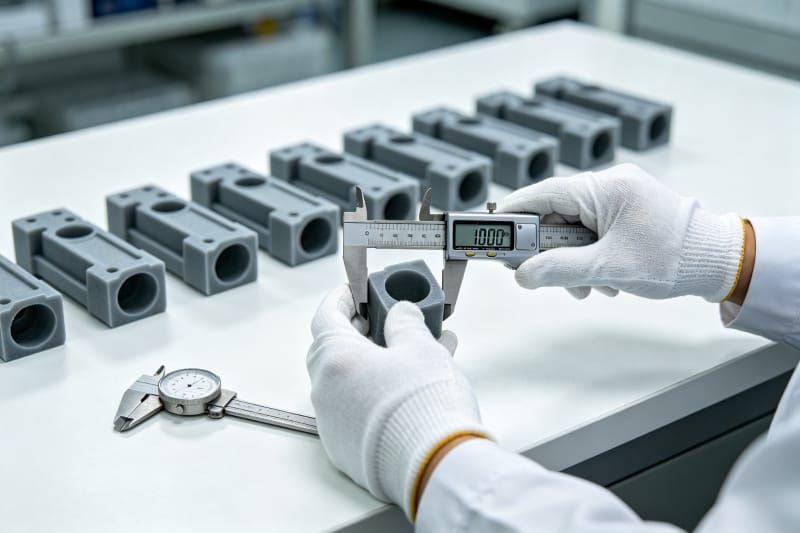
How HUANYA runs on this discipline
So, does a 3D printing factory need an ERP? Once it serves B2B customers with critical dimensions, repeat batches and global delivery, the honest answer is yes — managed well, the system is invisible to the buyer but visible in every on-time, consistent order. HUANYA runs its quoting, scheduling, lot traceability, inspection and finishing on this connected discipline, so when you choose HUANYA as your custom 3d printing service, you receive engineer-reviewed quotes, measured parts, repeatable finishes and confirmed lead times rather than promises held together by spreadsheets.


Leave a Comment