
 English
 French
 Deutsch
 العربية
 Español
 Русский
 にほんご
 Português
 한국어
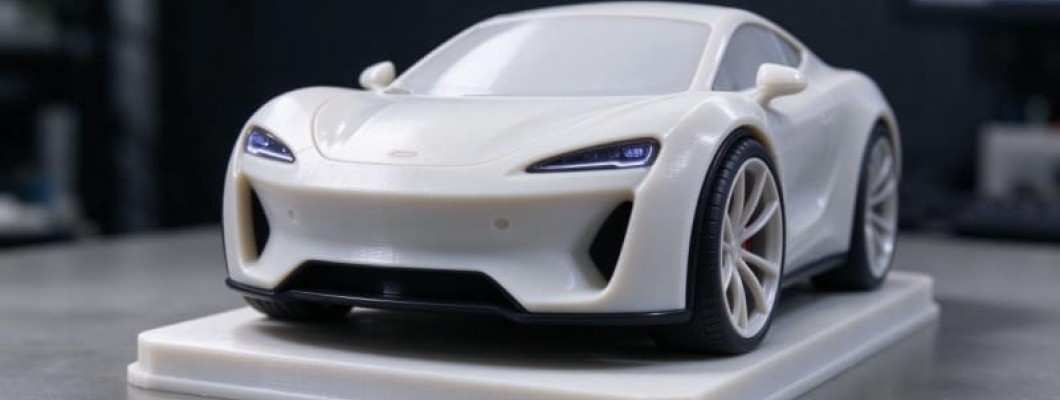
Every design decision gets more expensive the later it is made. A curve change on screen costs a click; the same change after tooling costs weeks and a purchase order. That is why product teams keep a printer within arm's reach of the CAD station. 3D printing for product design is not a prototyping hobby, it is the cheapest way to buy certainty before money is committed.
A rendering can look convincing and still hide the problem. A grip that looks balanced on screen can feel wrong in a hand; a bracket that measures correctly in CAD can refuse to slide into its slot. Should a design team really wait three weeks for a machined sample to learn that? Print the part, hold it, and let your fingers find what the screen cannot show.
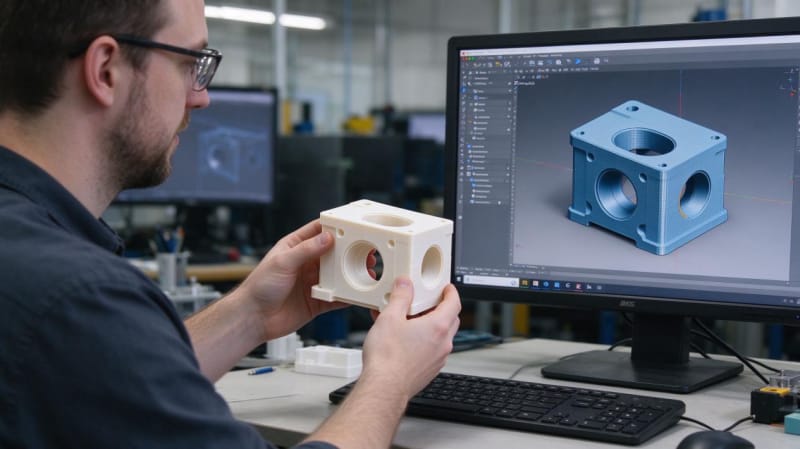
From Screen to Hand in a Week
The design loop is the real product, and rapid prototyping is what keeps that loop turning. A team that can turn a CAD revision into a physical part in 24 to 72 hours runs five or six iterations in the time a conventional path runs one. Each loop catches something the last one missed: a wall too thin, a button too close to the edge, a connector that needs two more millimeters of clearance. Speed here is not about rushing, it is about compressing the distance between a question and its answer.
Design goal | Recommended process | Typical accuracy | Typical lead time |
Concept and form study | FDM | ±0.3–0.5 mm | 24–72 hours |
Appearance review | SLA resin | ±0.1–0.2 mm | 2–3 days |
Fit and interference check | SLA or SLS | ±0.1–0.3 mm | 2–5 days |
Functional load test | SLS nylon, FDM ABS | ±0.2–0.5 mm | 3–5 days |
What Is Worth Printing
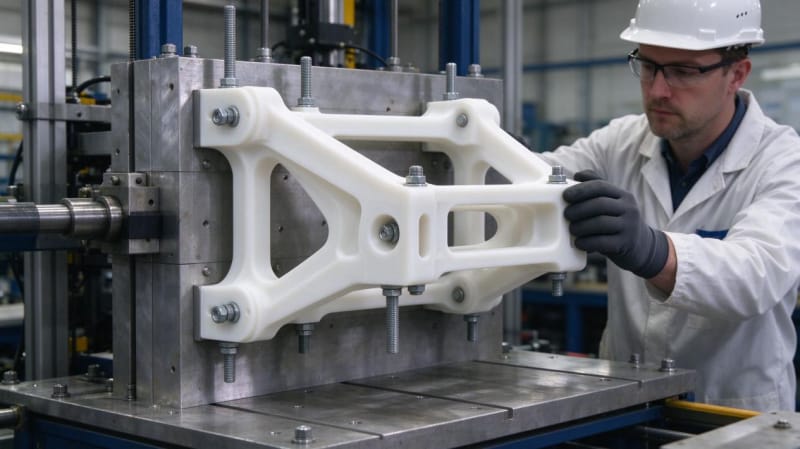
Print what carries risk, not what is easy. The parts that decide a project are usually the ones where several things meet: a housing that holds a board, a hinge that must swing without binding, a clip that has to survive a hundred cycles. Checking those in your hand before tooling is approved is the whole point of design verification. A cosmetic panel with no interfaces can wait; an assembly that must fit four other assemblies cannot.
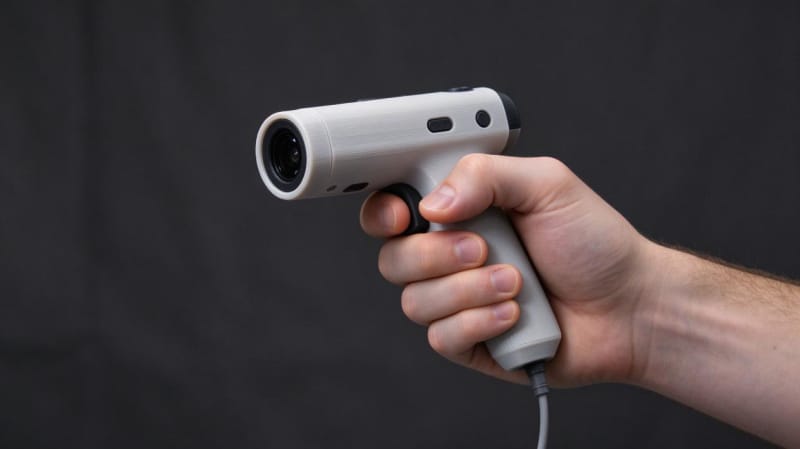
Material choice follows the question being asked, and any custom 3d printing partner worth the name starts there rather than from a stock list. Standard PLA is rigid enough for form and fit work and costs roughly $20 to $40 per kilogram; ABS adds impact resistance at $25 to $45; SLA resin delivers fine detail and smooth surfaces at $50 to $120; SLS nylon PA12 brings usable strength, often 45 to 50 MPa tensile, at $60 to $100. Paying for engineering grade on a form study is wasted budget, and printing a load-bearing bracket in a brittle material is a wasted test.
Material | Typical tensile strength | Best for |
FDM PLA | 45–60 MPa | Form, fit, presentation models |
FDM ABS | 35–45 MPa | Housings, impact-prone parts |
SLA resin | 40–60 MPa | Fine detail, smooth appearance |
SLS nylon PA12 | 45–50 MPa | Assemblies, functional brackets |
When a Print Saves the Review
Here is the scene that convinced one client to keep a printer in the design room. Two days before a design freeze review, an engineer noticed that the new handle would collide with the battery door by 1.8 millimeters. The CAD file was already scheduled for tooling review the next morning, and a machined sample was four weeks away. HUANYA printed the handle and the door overnight in SLA, the team assembled both on the actual housing the next day, and the collision was confirmed and resolved before the meeting. The tooling went out with the correct geometry the first time.
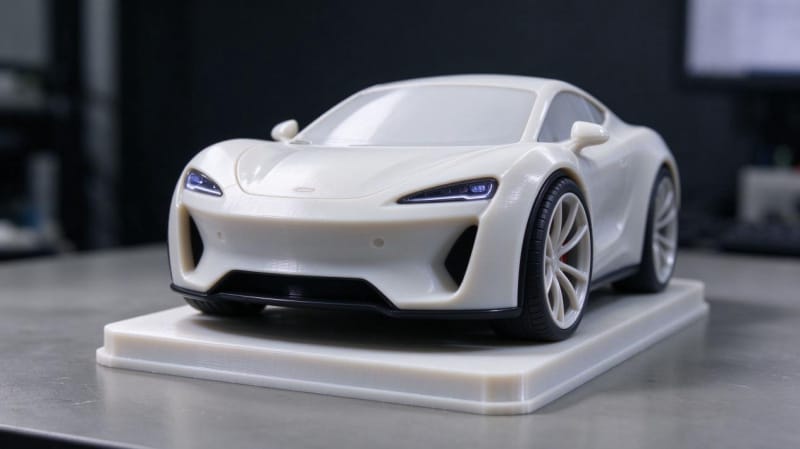
The economics are easy to state and easy to forget. A single printed prototype usually costs $10 to $200 depending on size and process, while a machined sample of the same part often runs several times that and takes weeks. One avoided tooling change can pay for a year of printed iterations. So why do teams still approve geometry they have never held?
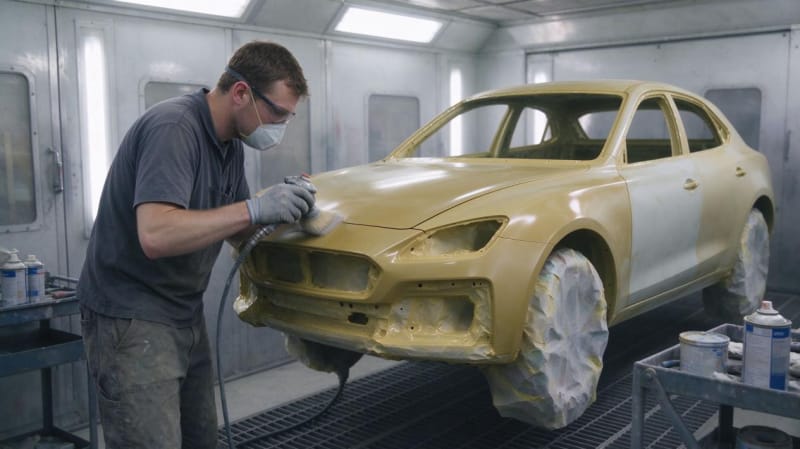
Design With HUANYA
HUANYA treats a design print as an engineering handoff, not a catalogue order, and prices 3D Model Printing against the test you plan to run. Before printing, the team reviews wall thickness, minimum feature size, support placement and assembly interfaces, and tells you plainly if a geometry will print poorly. The recommendation that comes back is tied to your test: FDM for form and fit, SLA for appearance and fine detail, SLS for functional assemblies, with an honest lead time for each.
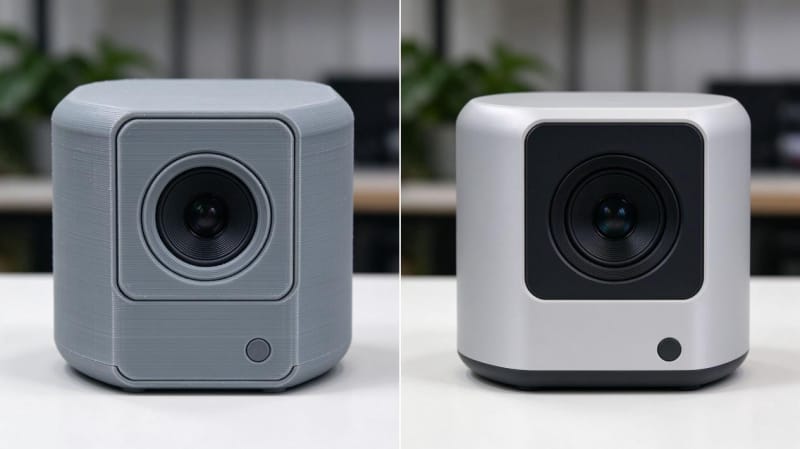
Send a STEP or STL file, describe the decision you are trying to make, and HUANYA will propose the fastest process that answers it. For teams that iterate weekly, that turns industrial 3d printing into a normal part of the design calendar rather than a special project. The result is fewer surprises at tooling, shorter reviews, and a product that behaves the way the screen promised.


Leave a Comment