
 English
 French
 Deutsch
 العربية
 Español
 Русский
 にほんご
にほんご Português
 한국어
한국어Polycarbonate
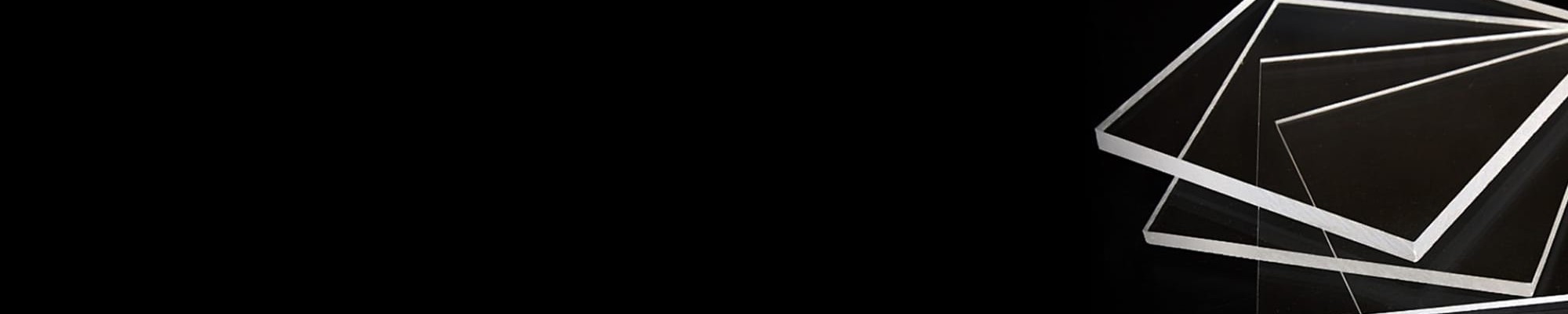
Polycarbonate (abbreviated as PC), commonly known as PC plastic, is a high-molecular polymer containing carbonate groups in its molecular chain.
Get instant quote
Polycarbonate (PC)
Polycarbonate (PC) CNC Machining
Polycarbonate (abbreviated as PC), commonly known as PC plastic, is a high-molecular polymer containing carbonate groups in its molecular chain. Based on the structure of ester groups, polycarbonates are classified into aliphatic, aromatic, aliphatic-aromatic and other categories. Among them, aliphatic and aliphatic-aromatic polycarbonates exhibit poor mechanical properties, which limits their application as engineering plastics.
At present, only aromatic polycarbonate is mass-produced on an industrial scale. Thanks to its unique structural characteristics, polycarbonate has become the fastest-growing general engineering plastic among the five major engineering plastics.
In our factory, polycarbonate is widely processed into diverse products including transparent housings, safety protection equipment and high-strength engineering components. Its outstanding impact resistance, heat resistance and excellent optical transparency secure its critical position in electronics, automotive and construction industries. We commit to optimizing production processes and quality control systems to deliver high-performance polycarbonate materials that match market demands and supply reliable solutions for all clients.
At present, only aromatic polycarbonate is mass-produced on an industrial scale. Thanks to its unique structural characteristics, polycarbonate has become the fastest-growing general engineering plastic among the five major engineering plastics.
In our factory, polycarbonate is widely processed into diverse products including transparent housings, safety protection equipment and high-strength engineering components. Its outstanding impact resistance, heat resistance and excellent optical transparency secure its critical position in electronics, automotive and construction industries. We commit to optimizing production processes and quality control systems to deliver high-performance polycarbonate materials that match market demands and supply reliable solutions for all clients.
Polycarbonate (PC) Mechanical Properties
Density: 1.18-1.22 g/cm³
Linear Expansion Coefficient: 3.8×10⁻⁵ cm/°C
Heat Deflection Temperature: 135°C
Low Temperature Resistance Limit: -45°C
Material Characteristics and Comprehensive Performance
Polycarbonate (PC) is a colorless and transparent engineering plastic featuring excellent heat resistance, outstanding impact resistance, and BI-grade flame retardancy. It maintains stable and reliable mechanical properties throughout its conventional service temperature range.
PC shares partial performance similarities with polymethyl methacrylate (PMMA). Compared with PMMA, polycarbonate delivers superior impact resistance, higher refractive index and better processability. Notably, pure PC material achieves UL94 V-2 flame retardant rating without any additive modification. In contrast, PMMA features a lower production cost and supports large-scale mass production via bulk polymerization process.
The wear resistance of polycarbonate is a relative property. When compared with ABS plastic, PC exhibits better abrasion resistance. Nevertheless, against most conventional engineering plastics, PC’s wear resistance is mediocre and ranks at a medium-to-low level. For this reason, PC parts applied in high-friction and wear-prone working scenarios require professional surface strengthening treatment to extend service life.


