
 English
 French
 Deutsch
 العربية
 Español
 Русский
 にほんご
 Português
 한국어
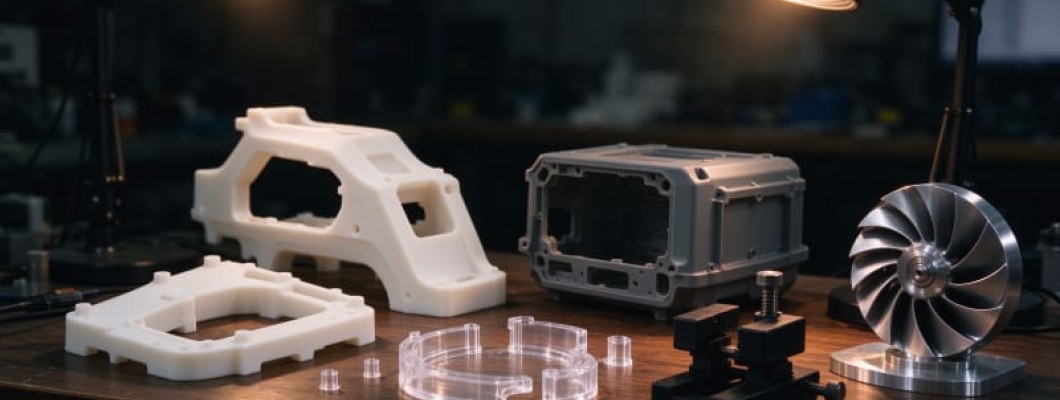
An engineer searching for a 3d printing website usually asks one question: will this page give a real price and a real date, or just a contact form? The answer decides whether a prototype ships this month or gets lost in email threads.
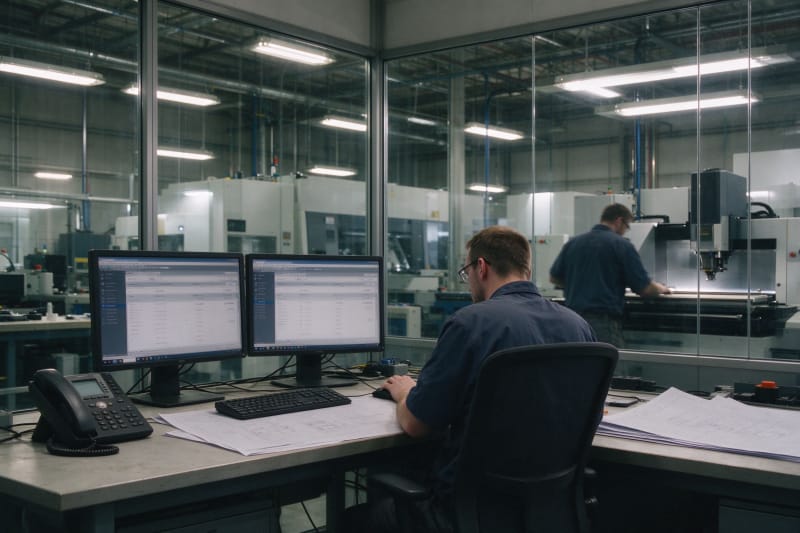
A quoting page that works like a calculator
A serious online 3d printing service behaves like a calculator. Upload STEP, STL or 3MF, pick a process and a material, and the page returns a 3d printing quote in seconds, before any human picks up the phone.
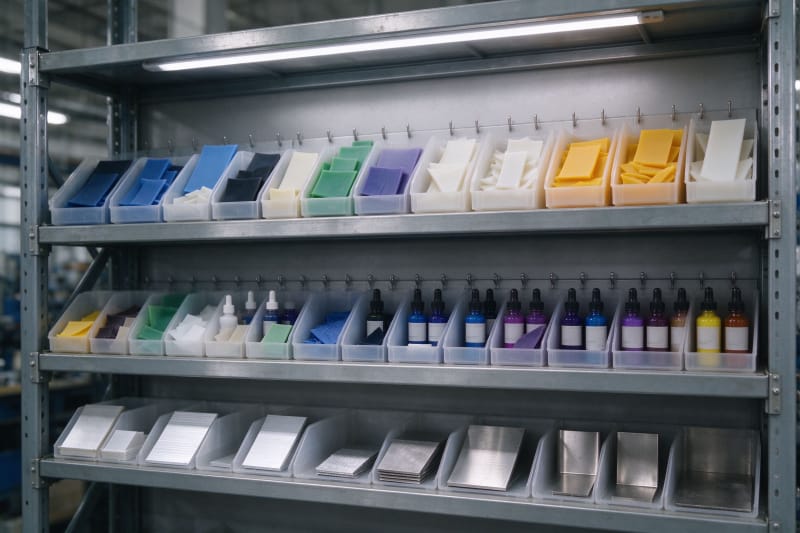
Then comes the quiet hero of a good website, the design check. One client once uploaded a part upside down, and the platform flagged the orientation at the quoting stage, saving a build that would have failed overnight. That is the difference between a portal and a workshop.
A factory behind the upload button
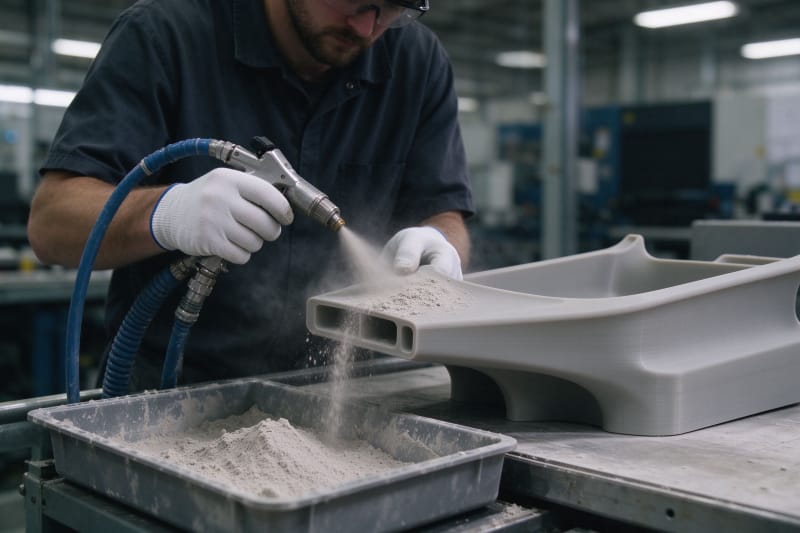
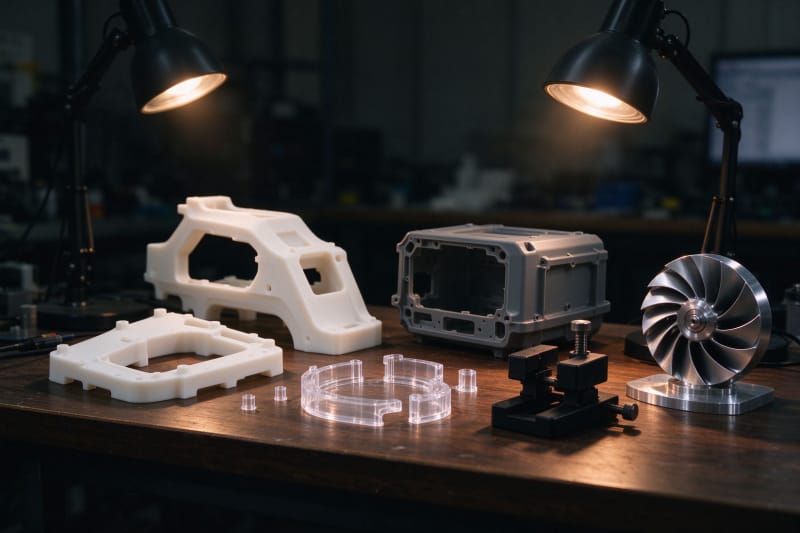
Behind the upload button there is a real factory. FDM lines run functional prototypes, SLA machines print fine details, SLS systems batch nylon, and metal lines cover DMLS jobs, all under the same roof with documented quality steps.
Cleaning, support removal, light machining and measurement follow each build. Inspection records stay with the order, so the website is not quoting blind, it is quoting from a known production state.
Lead times you can plan around
Lead times appear before payment, not after. Standard orders ship in days, express tiers in three to five, and rush work in one to two, while platforms like Protolabs Network quote from one business day, as the table below shows.
|
Source: Xometry, Makelab, Protolabs Network (Hubs) and Materialise OnSite public pages (2026)
Reordering is where a good website pays off. Quantity tiers update live, one-click reorder rebuilds the exact configuration, and repeat buyers track every batch from the factory floor to the door.
Market data and selection rules
The numbers explain why B2B buyers moved online. 3D printing as a service was valued at 15.28 billion US dollars in 2025 and is projected to reach 31.06 billion by 2030, and the wider market keeps compounding at double-digit rates, making 3d printing on demand a standard sourcing channel.
Market | Base value | Forecast | CAGR | Source |
3D printing as a service | 15.28 bn (2025) | 31.06 bn (2030) | 15.24% | Research and Markets |
Global 3D printing services | +20.70 bn growth (2025-2030) | - | 24.0% | GII TechNavio |
3D printing market | 28.55 bn (2026) | 136.76 bn (2034) | 21.60% | Fortune Business Insights |
3D printing market | 34.45 bn (2026) | 69.26 bn (2031) | 14.99% | Mordor Intelligence |
Sources: Research and Markets, 3D Printing As A Service Market (2025-2030); GII TechNavio, Global 3D Printing Services Market; Fortune Business Insights, 3D Printing Market; Mordor Intelligence, 3D Printing Market (2026)
When shortlisting, check four things: instant quoting with visible process choices, published tolerances, an owned factory or vetted partner network, and certificates such as ISO 9001. A website that hides these details usually hides costs too.
HUANYA's 3d printing website connects quoting, engineering review, printing, finishing and inspection in one flow. Upload a file, and the team confirms material, price and a firm delivery date before you pay.


Leave a Comment