
 English
 French
 Deutsch
 العربية
 Español
 Русский
 にほんご
 Português
 한국어
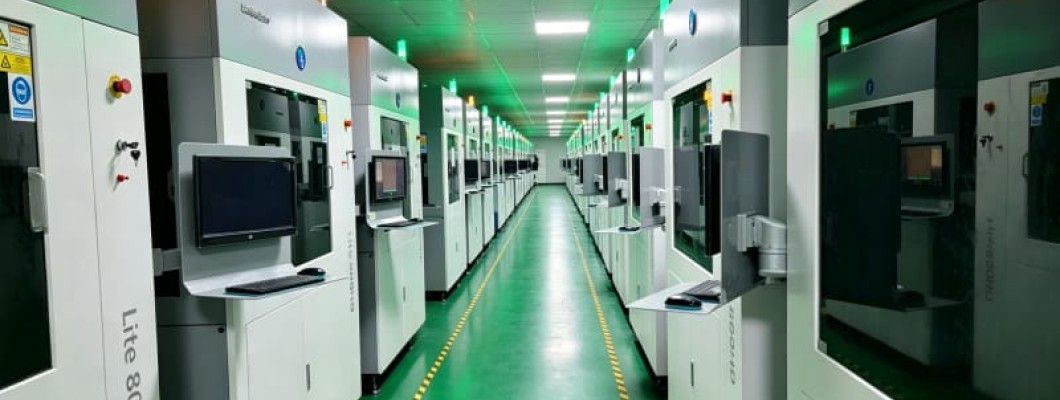
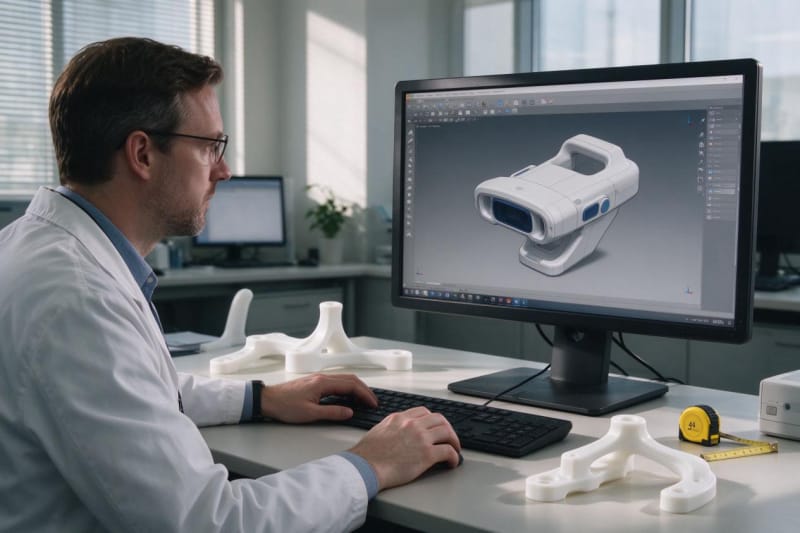
Medical device development moves on a simple rule: the faster a design gets tested, the faster it reaches patients. Rapid prototyping 3d printing has become the bridge between a CAD file and a physical part, letting engineers hold a working model days after the geometry is frozen, and that speed is exactly why HUANYA built its medical prototyping line around additive manufacturing.
Why Medical Device Teams Need Rapid Prototyping
Regulatory pressure shapes every prototype. Teams heading toward FDA submission test fit, function and manufacturability long before the first clinical case, because a change found at validation costs weeks, while a change found at prototype stage costs hours. The FDA has published its Technical Considerations for Additive Manufactured Medical Devices, which tells developers exactly how printing affects design, materials and process validation, and prototyping inside that framework shortens the distance to submission.
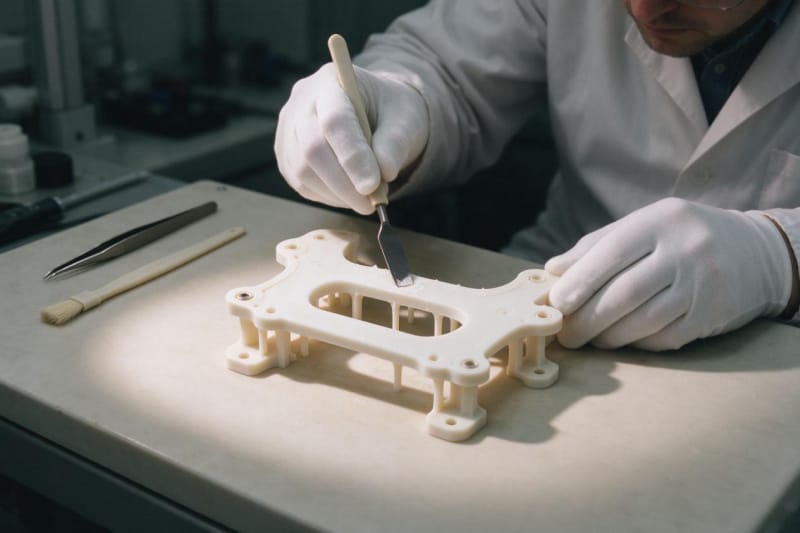
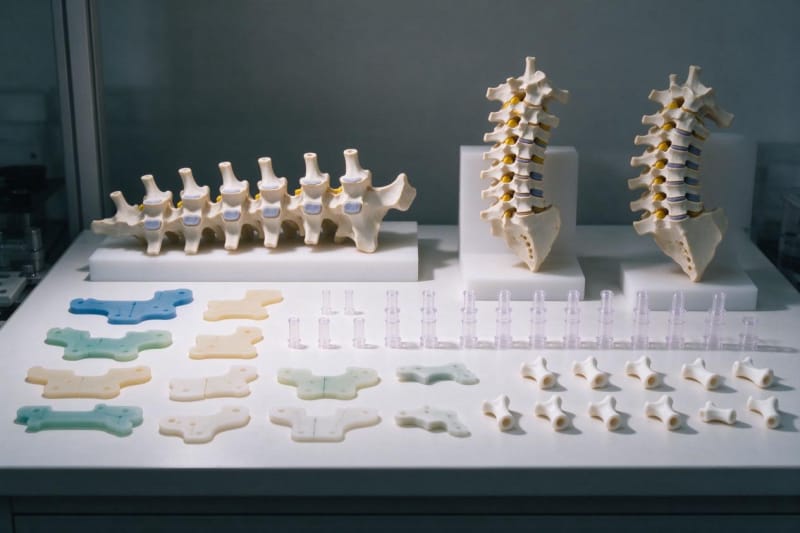
Geometry is the second reason. Surgical guides, anatomical models and implant trials carry internal channels, lattice structures and patient specific contours that milling simply cannot reach without expensive multi axis setups. A custom 3d printing service turns those features into physical parts overnight, so design reviews happen with a real object on the table instead of a screen.
How HUANYA Manufactures Medical Prototypes
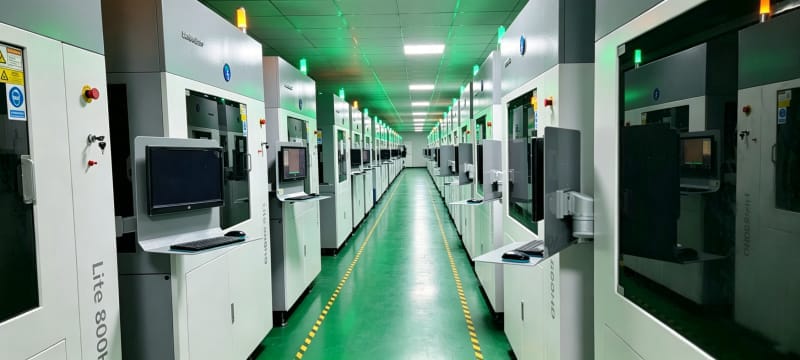
HUANYA operates more than a thousand industrial printers across SLA, MJF, SLS and metal lines, and the medical prototyping floor keeps its own clean, controlled zone. Engineers upload STEP or STL files, and the team checks wall thickness, draft angles and support placement before the first layer runs, which removes the geometry surprises that normally eat prototype budgets.
Materials are matched to the use case: clear resins for flow visualization, nylon for sterilizable housings, PEEK and titanium for implant trials, and rubber-like resins for gasket and handle feel. Every batch is documented with material lot, machine and operator, so the file trail is ready when the project moves toward ISO 13485 quality records.
Data That Supports Fast Medical Prototyping
Numbers show why the process holds up. MJF nylon parts hold ±0.3% accuracy with a minimum of ±0.3 mm, SLA reaches ±0.05 mm on microfluidic channels, and load bearing surfaces are printed at layer heights of 50 µm or less. Against a market that moves fast, the process data says the parts are not just quick, they are dimensionally dependable.
Accuracy evidence for medical rapid prototyping
Process | Accuracy evidence | Source |
MJF nylon PA12 accuracy | ±0.3% or minimum ±0.3 mm | stereotactic DBS study (PMC) |
SLA microfluidic channels | ±0.05 mm channel accuracy | AllPrototype medical case |
Load-bearing layer height | 50 µm or less | LayerCraftLog |
FDM general tolerance | ±0.25 mm or ±0.3% whichever is greater | Forge Labs design guide |
Sources: pmc.ncbi.nlm.nih.gov; allprototype.com; layercraftlog.com; forgelabs.com
The demand side is just as solid. The 3D printing medical devices market stood at USD 4.77 billion in 2025 and is projected to reach USD 17.45 billion by 2034 at a CAGR of 15.4%, while the 3D printed medical devices segment grows from USD 2.76 billion in 2025 to USD 7.16 billion by 2031 at 17.22%. Buyers across North America and Asia are moving prototypes to printers precisely because the numbers support the switch.
Market and regulatory evidence for medical 3D printing
Market or regulatory item | Evidence | Source |
3D printing medical devices market | USD 4.77B (2025) to USD 17.45B (2034), CAGR 15.4% | Fortune Business Insights |
3D printed medical devices segment | USD 2.76B (2025) to USD 7.16B (2031), CAGR 17.22% | Mordor Intelligence |
Healthcare 3D printing market | USD 11.6B (2025) to USD 35.0B (2033), CAGR 14.5% | Grand View Research |
FDA regulatory example | 3D Printed PEEK Interbody System, 510(k) K240250 cleared in 2024 | FDA Access Data |
Sources: fortunebusinessinsights.com; mordorintelligence.com; grandviewresearch.com; accessdata.fda.gov
Starting a Medical Prototype Project with HUANYA
Starting is a one file decision. 3d printing on demand means no minimum order is forced on a medical project: one guide or fifty housings runs through the same DFM check, and 3d printing batch quoting gives volume pricing the moment several parts share one build plate. A design that once waited for a mold now waits only for the file.
Send the CAD file to HUANYA and the team returns with a buildability review, material suggestions and a quote that ties to the model, not a guess. Medical prototyping does not need to be slow or complicated; with the right factory behind it, the path from idea to testable device stays short, and that is the whole point of rapid prototyping 3d printing.


Leave a Comment