
 English
 French
 Deutsch
 العربية
 Español
 Русский
 にほんご
 Português
 한국어
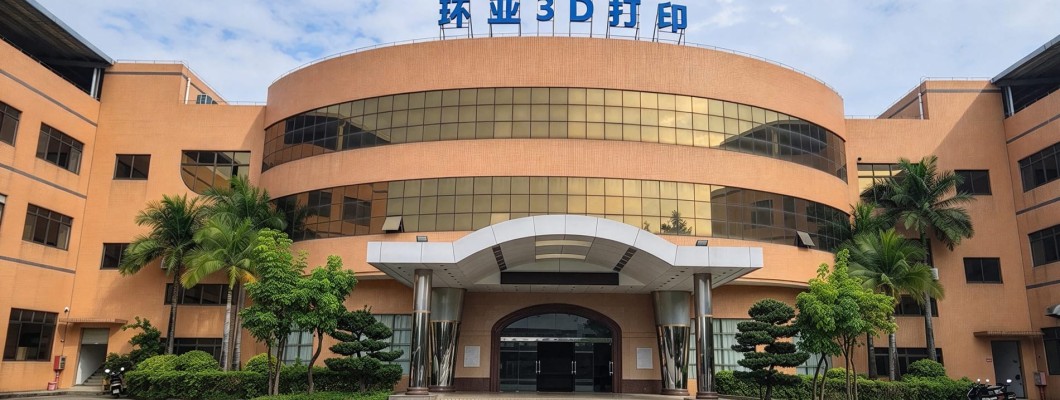
FDM 3D Printing Factory Builds Functional Parts for Production Teams
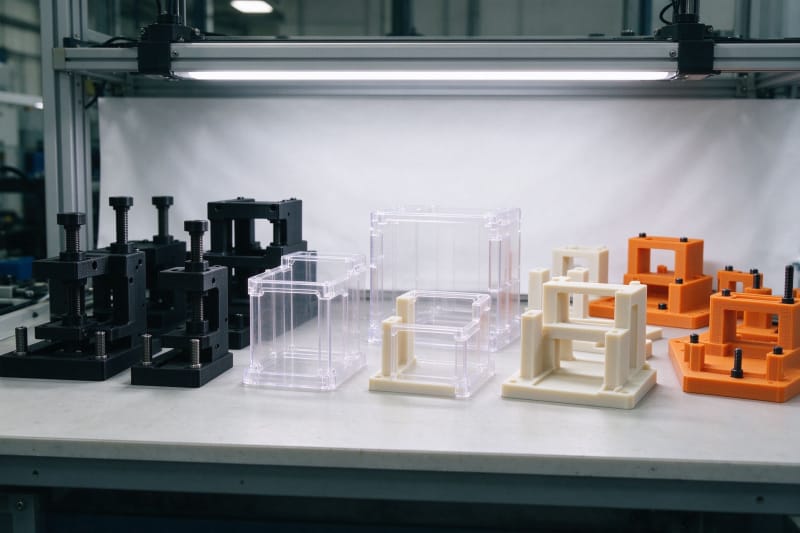
A FDM 3D printing factory turns a CAD file into a functional plastic part without any tooling. When your team needs jigs, fixtures, end of arm tooling or low volume housings in days, a production floor with calibrated machines and a clear process delivers parts you can actually use.
A Production Floor Built for Volume
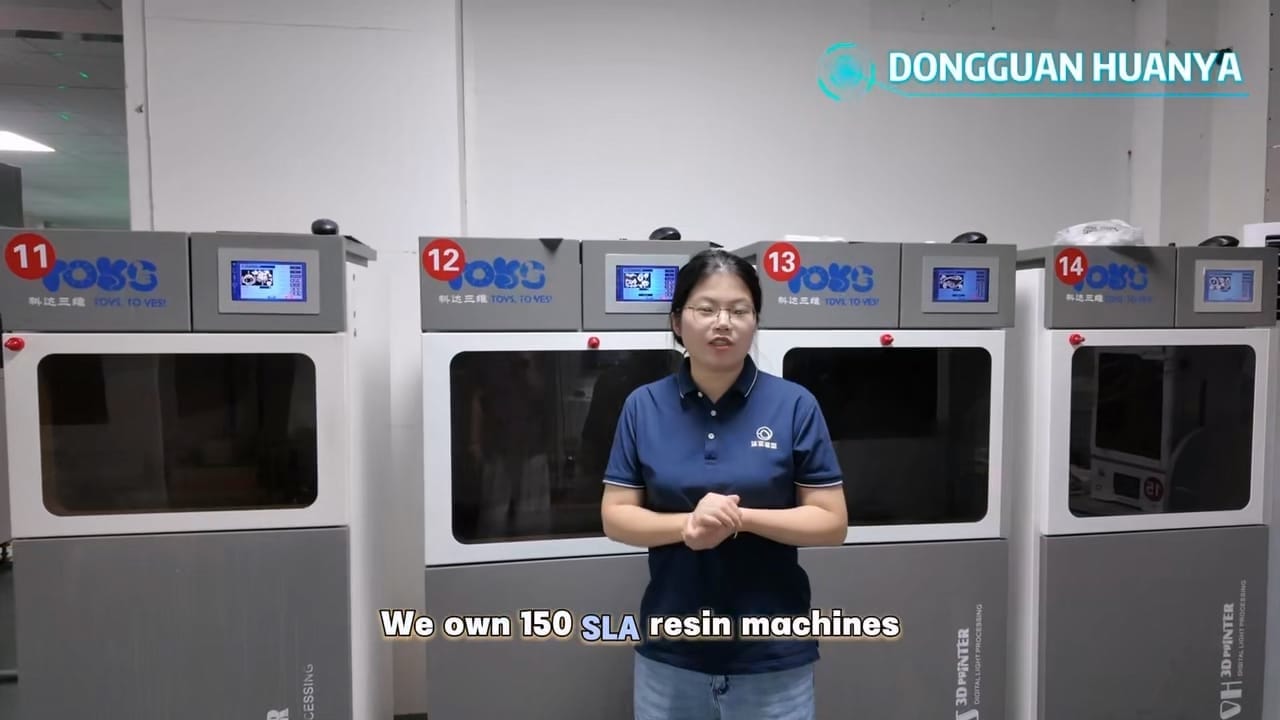
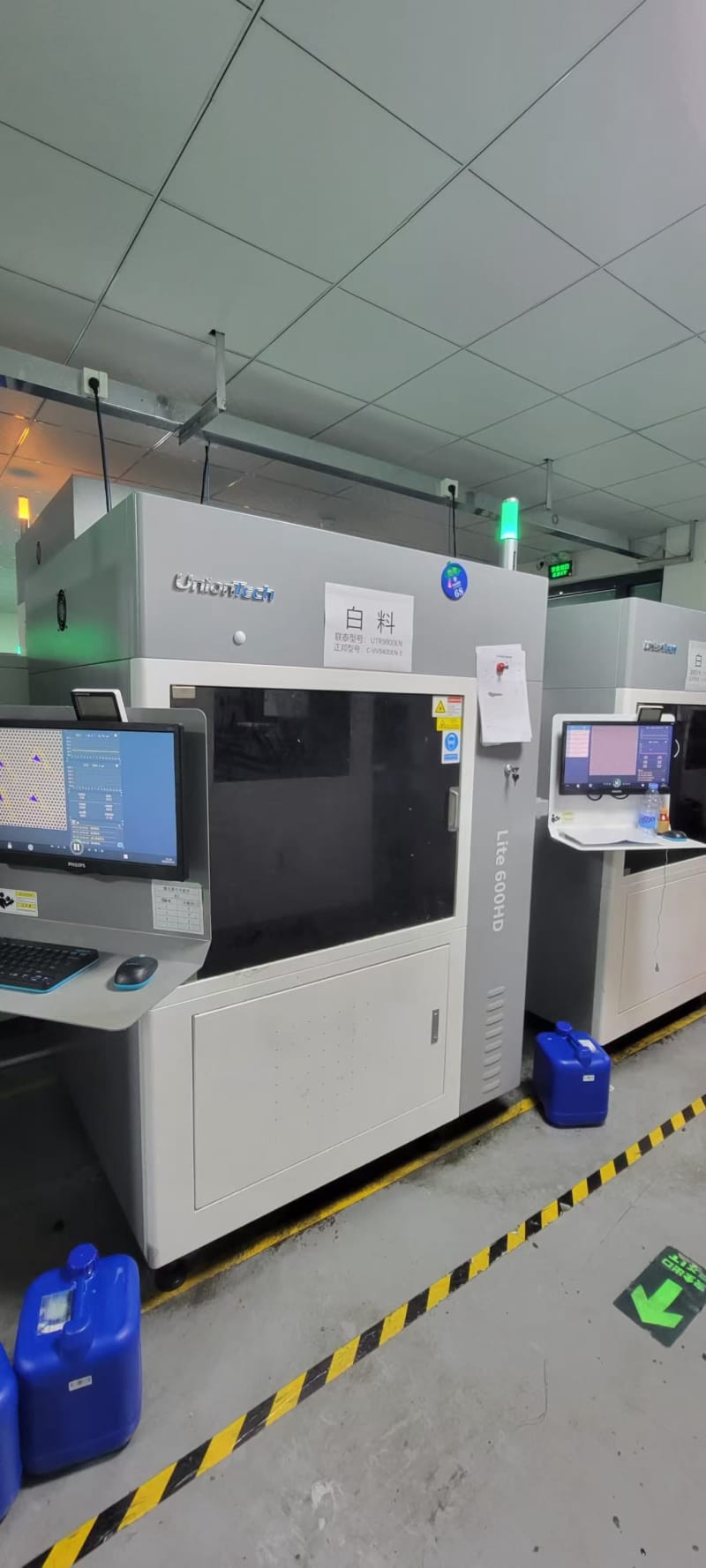
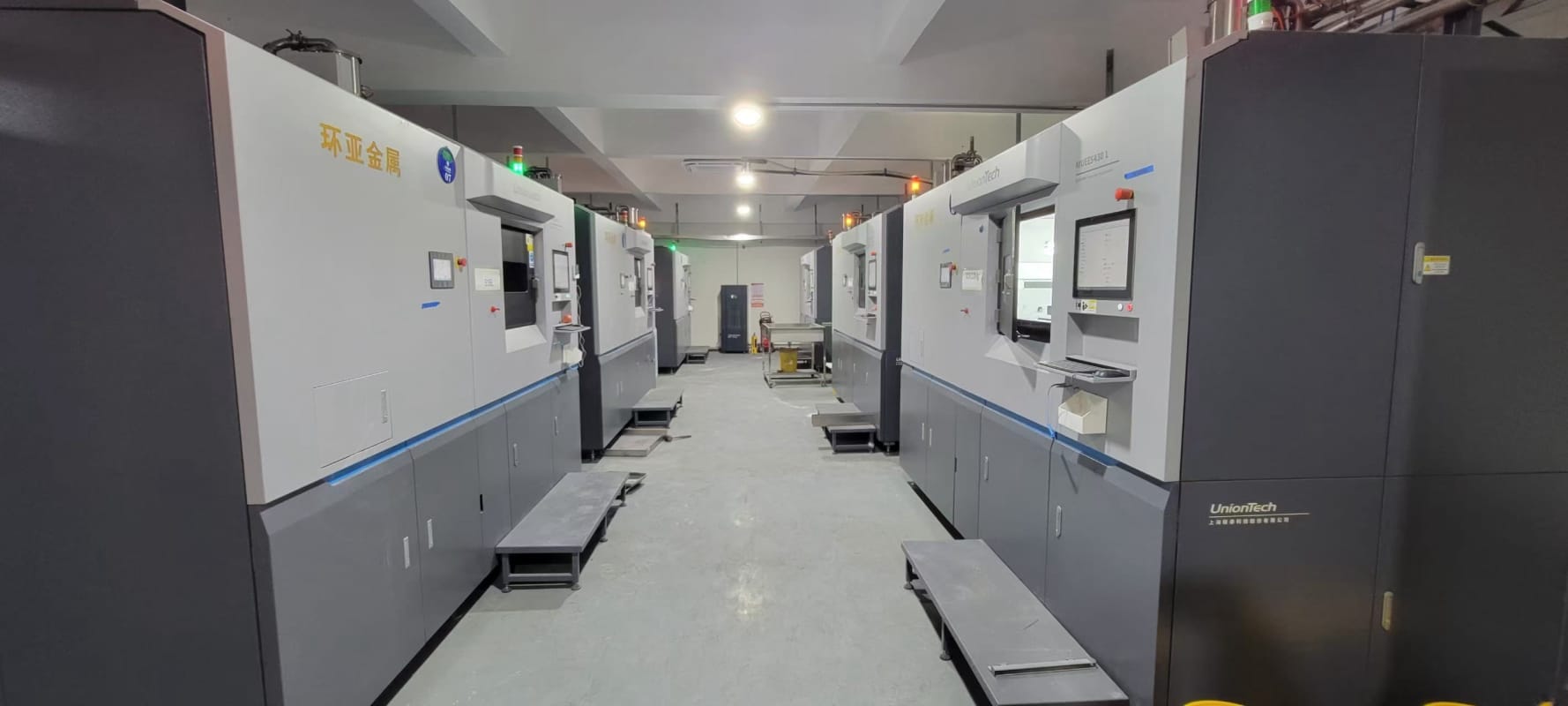
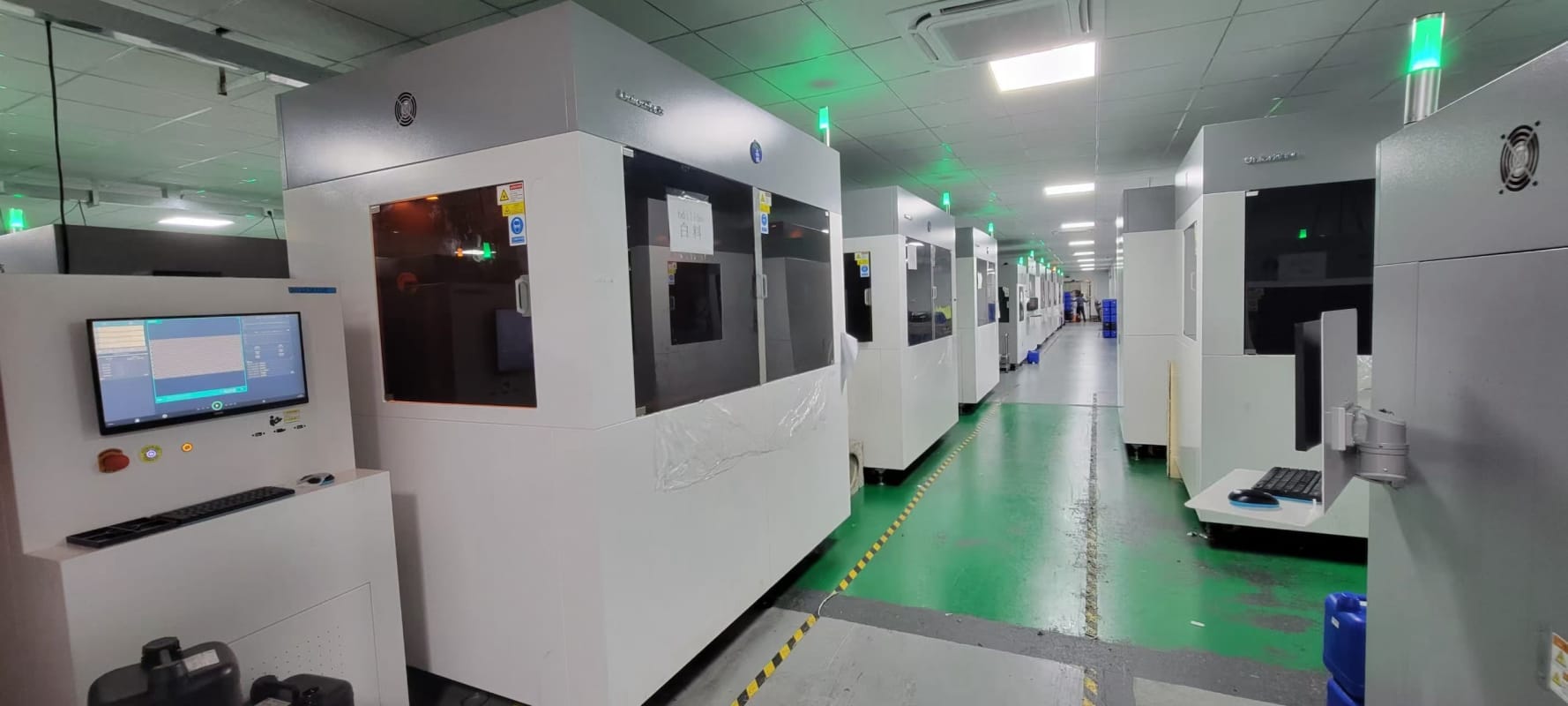
On the factory floor, rows of enclosed industrial FDM printers run around the clock. Large systems offer build volumes of about 914 by 609 by 914 millimetres, so one machine nests many parts or holds a full scale fixture in a single run, and operators schedule the queue to keep every chamber full.
Unlike a home setup, a production line separates feeding, printing and finishing. Filament is dried and stored in climate controlled racks, each spool is tracked by lot, and a fresh nozzle and clean build plate are confirmed before every job, the kind of discipline that makes a 3d printing factory dependable. The material list decides what each part can do. PLA suits quick prototypes and cosmetic models, PETG brings chemical resistance, ABS adds toughness, Nylon offers high strength and PC handles heat. Layer height and material choice are where fdm 3d printing earns its place in real products.
Materials and Process Control
The table below compares common FDM materials by tensile strength, elongation and heat deflection, so an engineering team can pick the right filament before quoting.
|
Source: FabFlow material selection framework and Fused Materials filament data (2026)
Layer height controls the trade between speed and finish. Production parts typically print at 0.12 to 0.33 millimetre layers, and a well tuned line keeps dimensional tolerance near ±0.25 millimetres or ±0.3 percent, whichever is greater. Critical holes and mating faces are machined after printing, so custom 3d printing meets drawing tolerances.
Quality Checks and Real Cost
Quality is confirmed at several stations. Calipers and coordinate measuring arms measure critical dimensions, technicians inspect layer fusion and support marks, and each batch keeps density and surface notes on record. Because fixtures must repeat, the factory documents every parameter that produced the part.
Cost favours FDM until quantity climbs. With no mold, a typical ABS bracket prints for about 14 dollars each at production settings, while an injection mold at 8,000 dollars plus about 65 cents per part only wins past roughly a thousand units. For jigs and short runs, small batch 3d printing keeps the printed price the lower risk number.
|
Source: 3D Printing Room FDM vs injection molding cost study, 60 mm ABS bracket (2026)
HUANYA runs a dedicated FDM 3D printing factory with drying, printing, finishing and inspection under one roof. Send a STEP or STL file, and the engineering team will quote material, tolerance and a firm delivery date, from a first prototype to repeat small batch orders.


Leave a Comment