
 English
 French
 Deutsch
 العربية
 Español
 Русский
 にほんご
 Português
 한국어
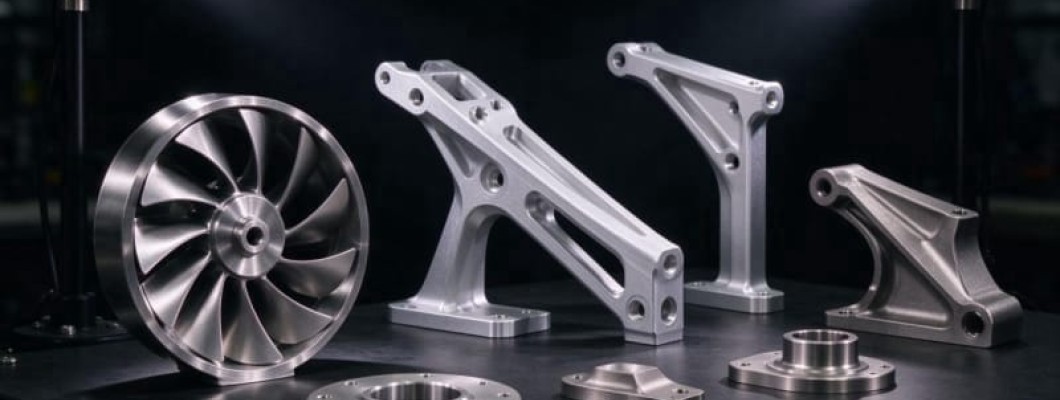
An online 3d printing service starts with one action: upload the CAD file. Within minutes the geometry is analysed, priced and scheduled, and what used to take days of emails now fits between meetings. The question is no longer whether the part can be printed, it is how fast the factory can prove it.
Instant quotes and design feedback
The first thing engineers notice is the quote. A 3d printing quote arrives in seconds, and the price moves when material or layer height changes, so the comparison that once took a week now takes an afternoon.

DFM feedback comes with the number. The system flags thin walls, unsupported overhangs and clearance problems before production, and the table below shows what buyers can expect from modern platforms.
|
Sources: JawsTec; Forge Labs; Protolabs; Baetro public product pages (2026)
From upload to delivery
The workflow runs in five steps: upload, quote, print, inspect, ship. A file that passes the check moves straight into the production queue, and the customer sees status updates at every stage instead of waiting in silence.
One customer once uploaded a bracket with a broken surface mesh and an inverted snap. The DFM check caught both in seconds, the file was repaired that evening, and the parts printed overnight, so a problem that used to stall a project for a week cost less than a day.
Production matches the technology to the geometry. FDM builds functional frames, SLA renders fine surfaces, SLS gives nylon its hinge behaviour, and metal lines handle parts that must carry load.
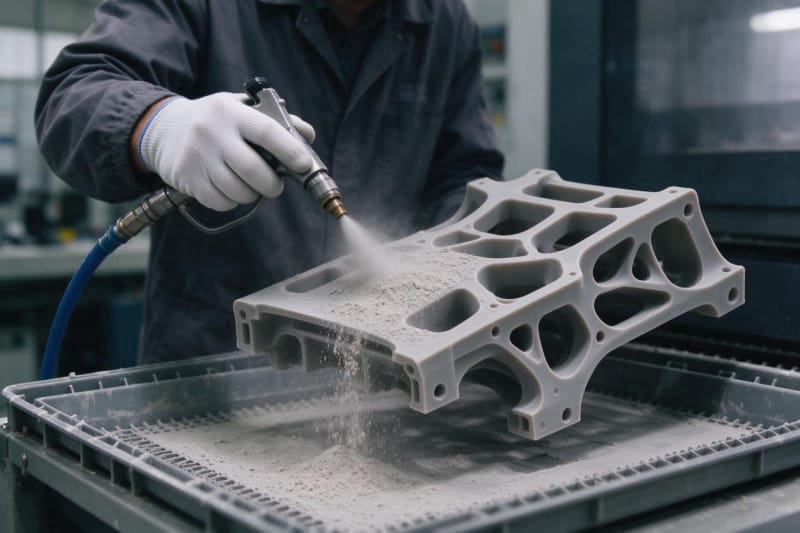
Inspection and shipping run like clockwork. Parts are measured, checked against the model, packed and handed to the carrier, and most orders leave the factory within one to three days of approval.
Why procurement teams order online
Procurement teams are moving sourcing online for a simple reason: every quote leaves a record. Comparing three suppliers takes minutes, engineering data stays in the same thread, and the handover to finance is clean, so 3d printing on demand has become the default channel for low volume sourcing.
The market numbers explain the shift. On demand 3D printing services are projected to grow from 8.4 billion US dollars in 2026 to 39.29 billion by 2035, and service bureaus from 8.55 billion in 2025 to nearly 28 billion by 2032, as shown below.
Marche | Valeur de base | Prevision | TCAC | Source |
Services d'impression 3D a la demande | 8,4 md (2026) | 39,29 md (2035) | 18,70% | Morgan Reed Insights |
Services d'impression 3D a la demande | 8,2 md (2025) | 20,0 md (2035) | 9,33% | Market Research Future |
Bureaux de service impression 3D | 8,55 md (2025) | 27,97 md (2032) | 18,5% | PW Consulting |
Materiaux et services 3D | 4,17 md (2026) | 12,53 md (2031) | 24,58% | Mordor Intelligence |
Sources: Morgan Reed Insights, On-Demand 3D Printing Services Market; Market Research Future; PW Consulting; Mordor Intelligence (2026)
What a factory owned service means
Behind the online storefront stands a factory. HUANYA runs more than 150 SLA machines, nylon and metal lines in a 10,000 square metre plant, so the quote engine sits on real capacity, not on a reseller's spreadsheet.
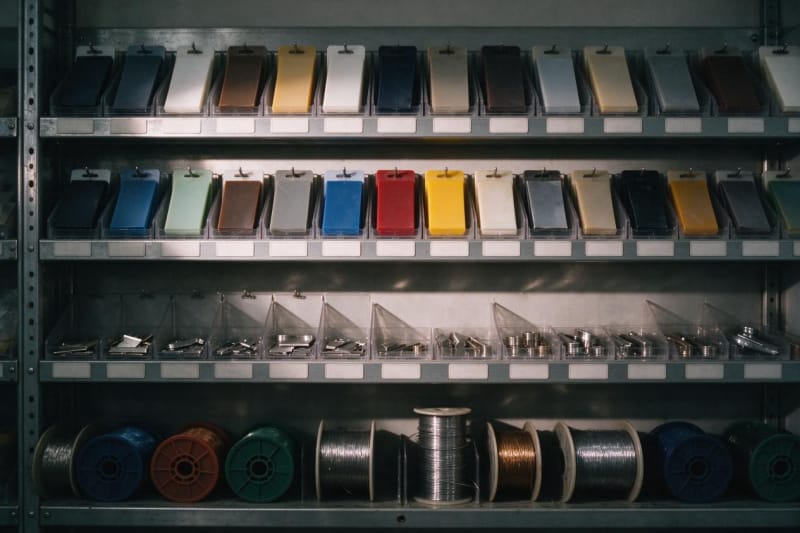
A 3d printing factory that owns its machines can hold tolerances, control post processing and keep prices transparent, because there is no middle layer between the quote and the operator who prints the part.
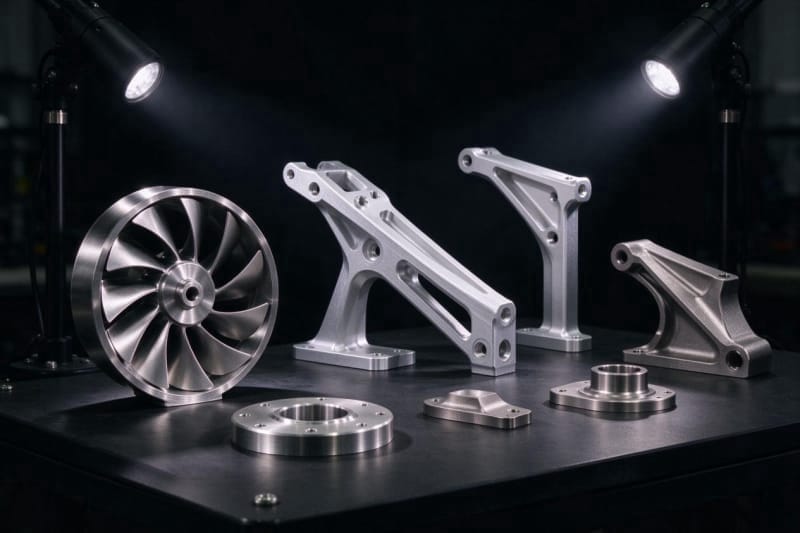
HUANYA's online 3d printing service combines instant quoting, DFM checks, in-house printing and tracked delivery. Upload a file today, and the prototype or production batch will be on its way before the week ends.


Leave a Comment