
 English
 French
 Deutsch
 العربية
 Español
 Русский
 にほんご
 Português
 한국어
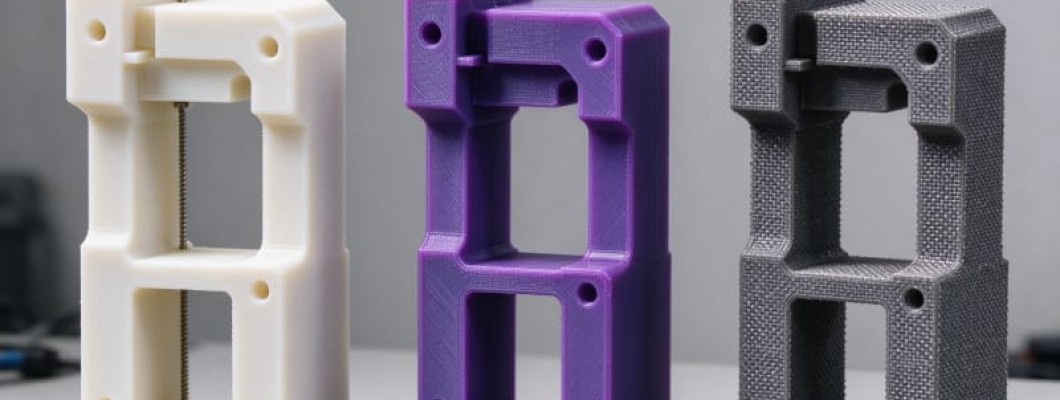
What a 3D Printing Factory Offers
A 3d printing factory brings more than machines under one roof; it brings process discipline, material management and a quality chain that a single desktop printer cannot match. Instead of juggling several local services, a buyer sends one file and receives a production-ready part with a defined tolerance, finish and delivery date. That concentration turns additive manufacturing from an experiment into a dependable supplier.
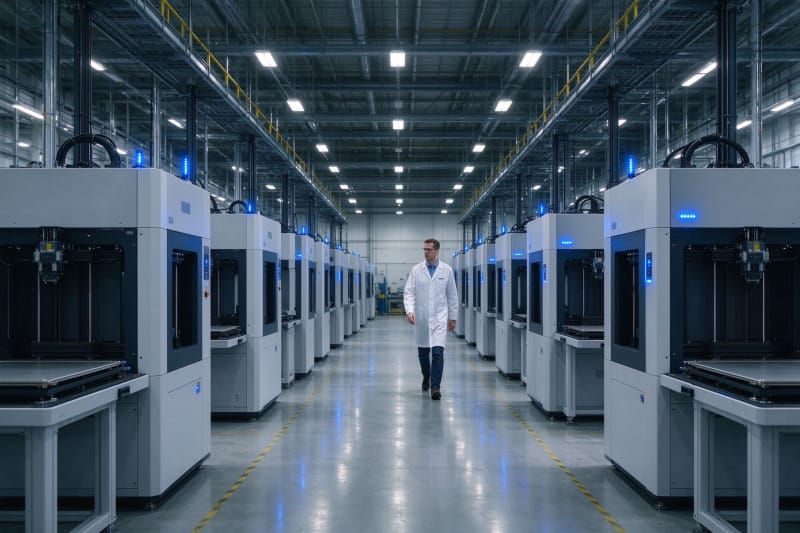
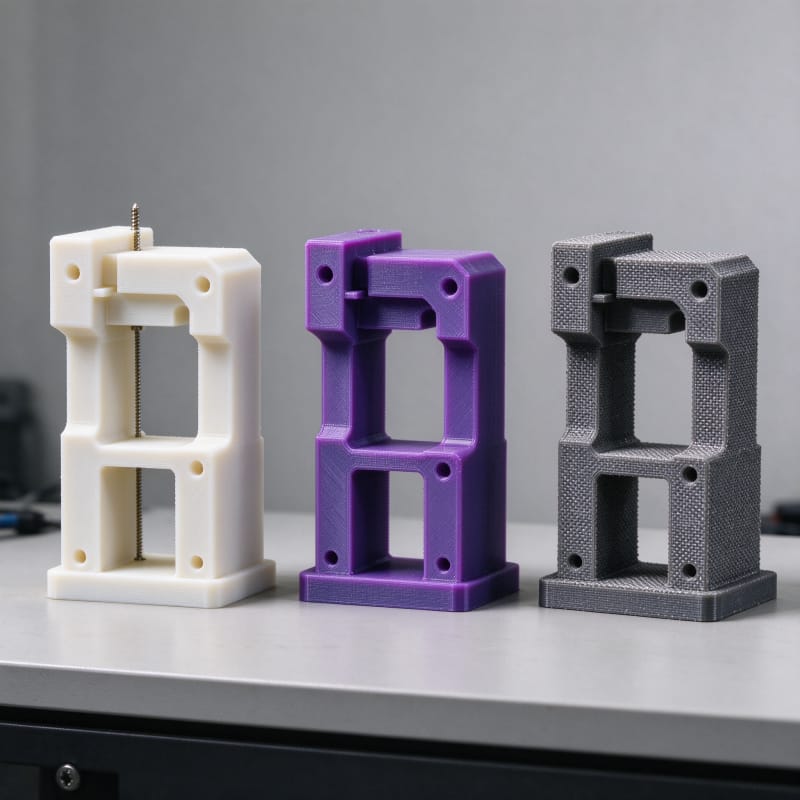
Industrial 3d printing works best when several technologies run side by side. A factory floor holds FDM lines for large functional parts, SLA stations for fine resin detail, SLS and MJF beds for nylon series and, on request, metal systems. With that mix, the same project can move between processes as volumes grow, without changing the CAD model or the supplier.
Consistency is the hidden advantage of a real facility. Machines are calibrated on a schedule, material lots are tracked and operators follow documented steps, so a batch of a hundred parts matches the sample approved a month earlier. Buyers avoid the surprise of drifting dimensions or inconsistent finishing that often marks a loose network of printers.
From Prototype to Production Series
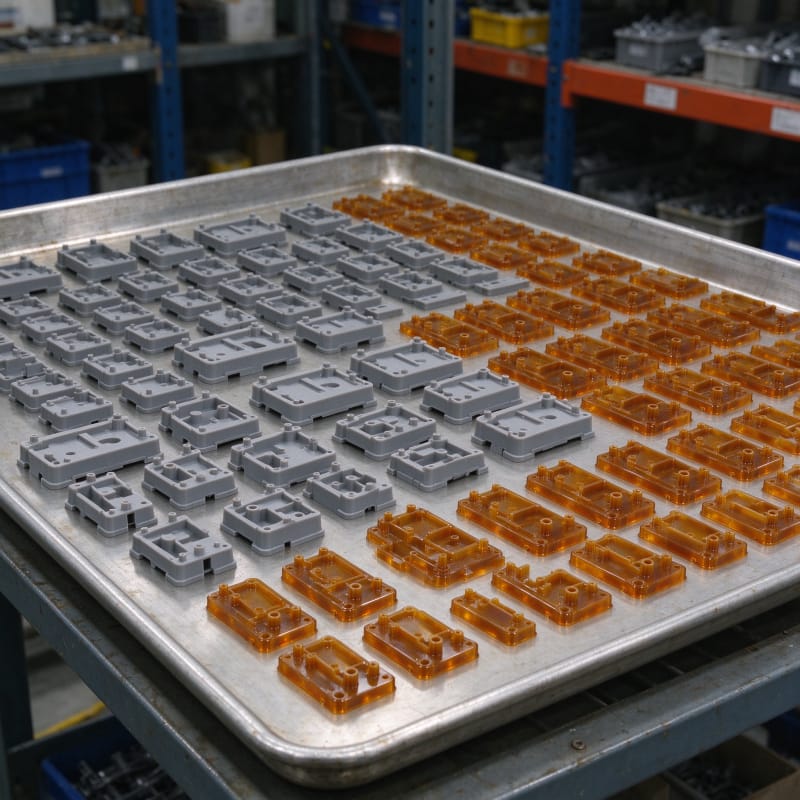
A reliable 3d printing company supports the whole curve from a first prototype to an initial production run. The prototype confirms design, fit and feel; the same files then move into series with controlled layer heights and inspection points. Because there is no tooling to commission, the transition is a matter of scheduling rather than waiting for a mold.
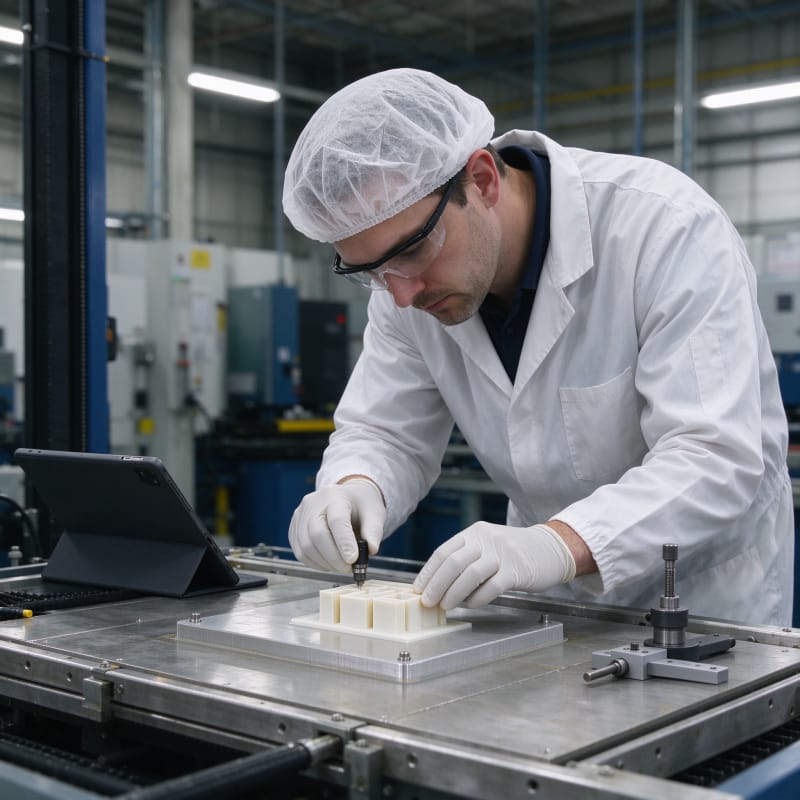
For volumes between prototype and mass production, bridge tooling keeps costs predictable. A printed part can stand in for an injection-molded one while a steel mold is being built, or a low-cost printed mold itself runs short batches. This bridge window lets a product reach customers early and validates the design before committing to expensive tooling.
Scale decides whether printing or molding wins. Below roughly 2,000 units printing is usually the cheaper and faster route, and even up to about 13,000 units it can remain cost-effective when no tooling is needed. Beyond that, an injection mold amortizes quickly. The table below summarises the volume logic, and the second table compares process accuracy and lead times.
Volume Range | Recommended Route | Tooling | Lead Time |
< 2,000 units | 3D printing | None | 24–72 hours / days |
2,000 – 13,000 | Printing or bridge mold | Optional, low cost | Days to weeks |
> 20,000 units | Injection molding | Steel mold | Weeks to months |
Source: TPM3D, SNL Creative, DT 3D and Kenvox production comparisons (2026)
A Full Process and Equipment Floor
The factory floor is organised by workflow, not by chance. Files are prepared, sliced and nested by engineers; printers run in batches to fill the build chamber; supports are removed, surfaces cleaned and parts packed in a dedicated area. Each station has a clear owner, so a part flows from CAD to dispatch without guesswork or lost steps.
Materials live in a controlled store with batch codes, expiry dates and the right handling for each chemistry. Resins stay in lightproof containers, powders are kept dry and filaments are logged, so the print always uses material that meets its datasheet. The table below compares the accuracy and lead time of the main processes used across the floor.
Process | Dimensional Accuracy | Layer Height | Lead Time | Best Use | Cost |
FDM | ±0.15–0.5% | 100–300 µm | From 1 day | Prototypes, jigs | $ |
SLA | ±0.15–0.5% | 25–100 µm | From 1 day | Fine detail, models | $$ |
SLS (PA12) | ±0.3% | 80–120 µm | From 3 days | Functional series | $$ |
MJF | ±0.3% | 80–100 µm | From 3 days | Series, small batch | $$$ |
Source: Protolabs/Hubs, HRS Precision and Materialise accuracy guides (2026)
Materials Managed Under One Roof
Material choice shapes every part. Standard and engineering thermoplastics serve functional brackets and housings; nylon and nylon composites add strength for series parts and moving components; resins deliver smooth detail for models and dental work; heat-resistant and flexible grades cover the rest. A factory with a broad library answers most requests without compromise.
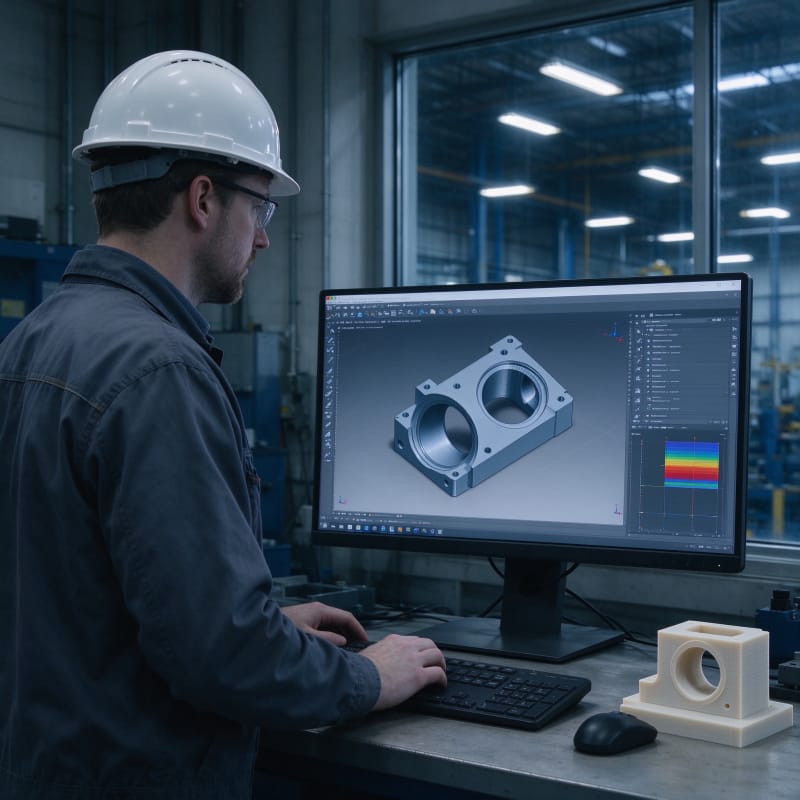
Material management is where factories prevent failures that bedevil single machines. Powder is sieved and mixed with fresh material in controlled ratios, resins are filtered and stored correctly, and humidity for hygroscopic filaments is controlled. These small disciplines keep mechanical properties consistent across the whole production run.
Scale, Batch Size and Cost
Batch economics favour printing up to a point, then shift. For short runs, setup time is nearly zero and there is no tooling to divide across parts, so a handful of identical pieces costs little more than a single one. For larger volumes, nesting and multi-batch scheduling bring the unit price down further, which is why factories can price low-run series competitively.
Quality is built into the flow rather than checked at the end. Calibrated instruments measure critical dimensions, microscopes inspect surface and edge quality, and records link every part to its material lot and print job. For medical or certified parts, the batch documentation satisfies audits and gives the buyer full traceability.
Quality Control Built Into Every Order
Dimensional data supports the claims. Industrial FDM holds about plus or minus 0.15 percent with a lower limit near 0.2 mm, SLA reaches about 0.15 percent with a finer lower limit, and SLS holds about 0.3 percent. On calibrated systems, most measured features fall within a tenth of a millimetre of the model, comparable to many molded tolerances.
Lead Times and Global Logistics
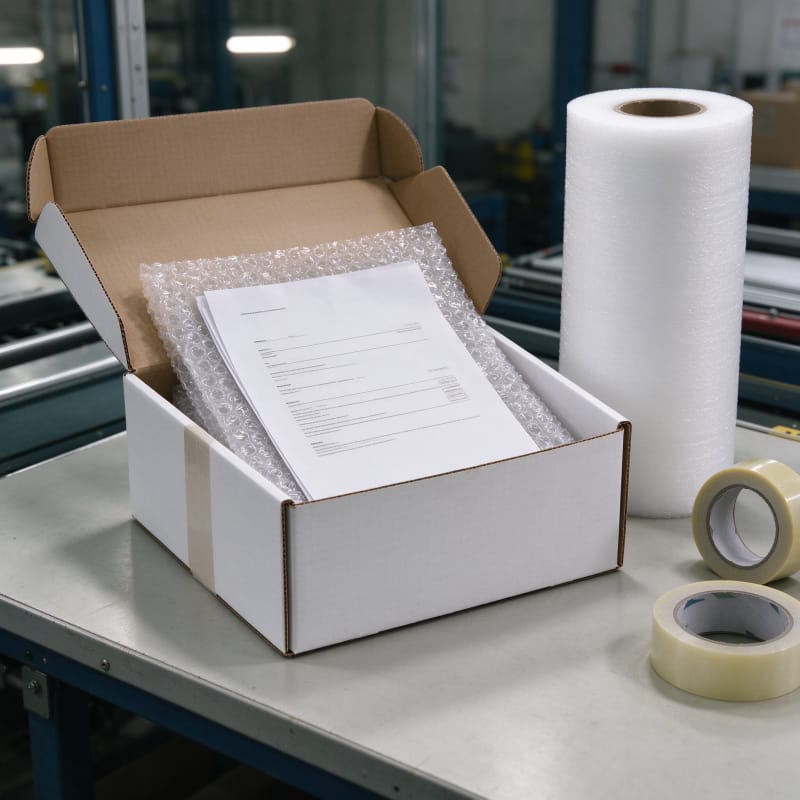
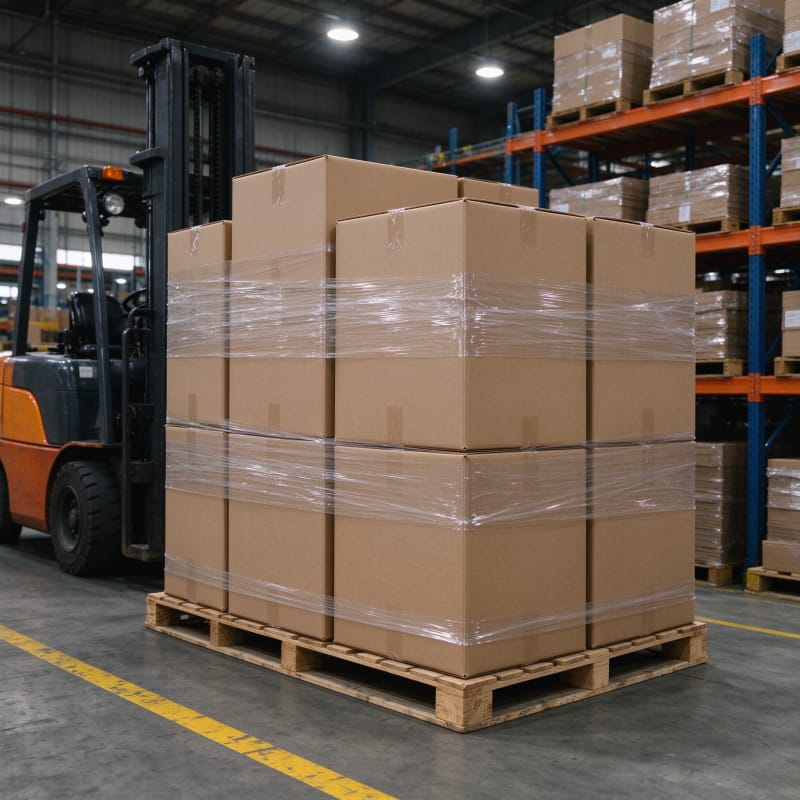
Lead times and logistics complete the service. A standard prototype can ship within days, and short series follow a fixed schedule rather than a vague promise. Factories ship worldwide with proper packaging and documented handling, so buyers order with confidence whether the destination is a workshop next door or a port across the ocean.
Start Your Project With HUANYA
A 3d print manufacturing partner scales with your project, and starting with HUANYA is direct. Send a STEP or STL file, get a transparent quote with process, material and lead time, and the engineering team reviews printability and confirms critical dimensions before production. Begin with one part or a first series and grow the same geometry without re-sourcing.


Leave a Comment