
 English
 French
 Deutsch
 العربية
 Español
 Русский
 にほんご
 Português
 한국어
What Cheap Online 3D Printing Actually Means
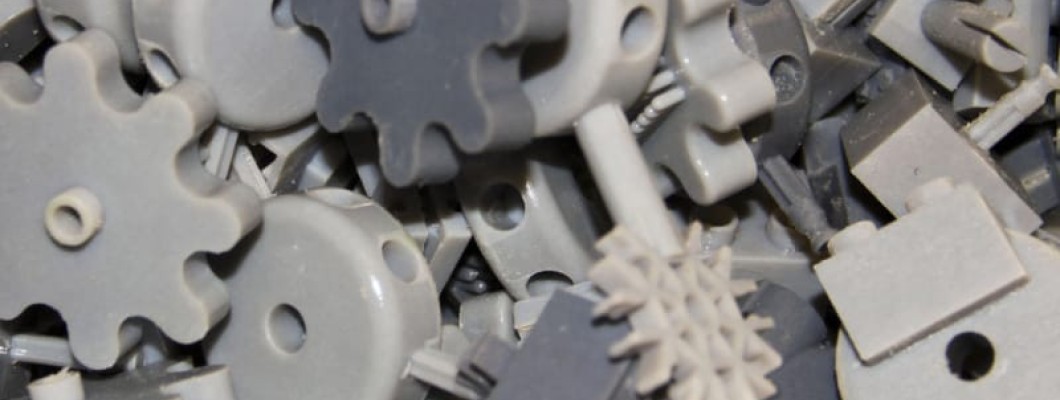
Cheap online 3d printing means you upload a CAD model to a web service, choose a material and process, and receive finished parts in a few days. There is no mold, no tooling fee and no minimum order quantity, so the same workflow covers a single prototype and a run of several hundred identical components. The quote is generated automatically from your geometry, which keeps administrative overhead low and is the main reason the price can be so competitive.
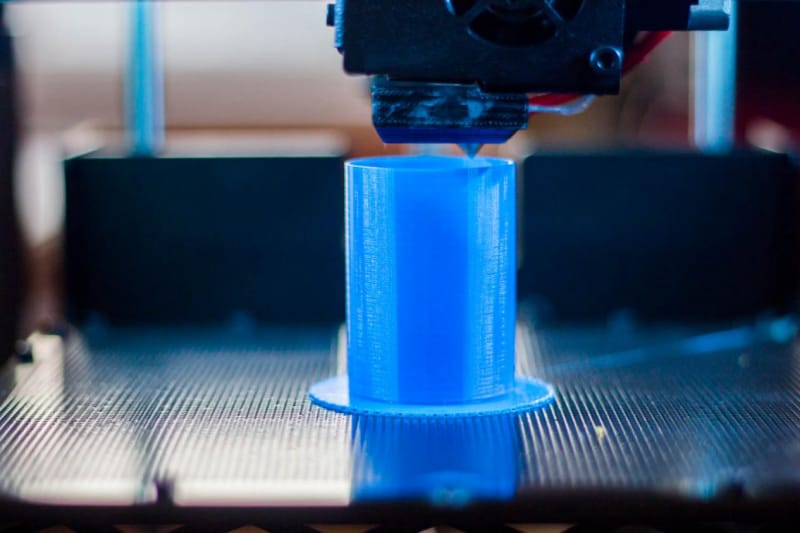
Image credit: 3DKreator
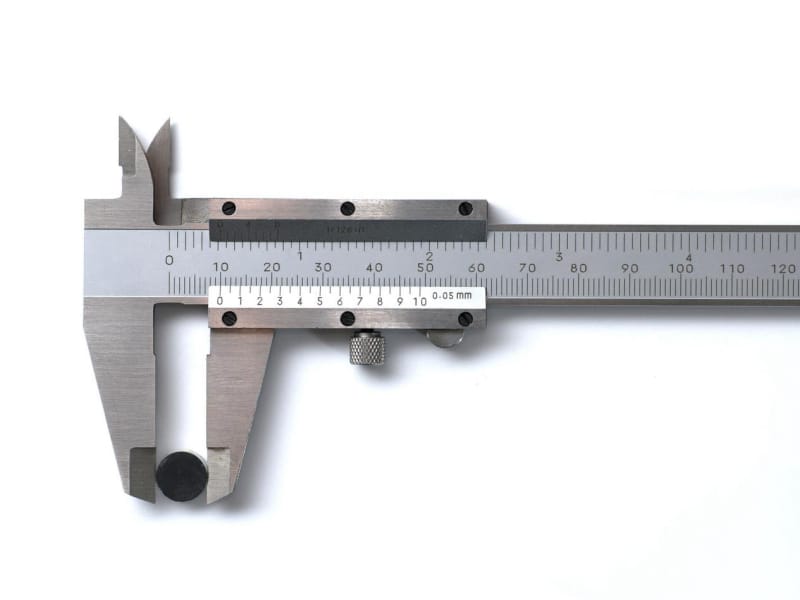
Low cost does not have to mean accepting unreliable dimensions, late deliveries or inconsistent post-processing. A well-run factory controls the variables that buyers worry about: first-layer calibration, material drying, machine maintenance and documented inspection. Before you place an order, confirm the supplier publishes tolerances, checks critical dimensions with calibrated instruments and uses a stable finishing process. When these controls are in place, a lower price reflects efficient nesting and automation rather than skipped quality steps.
How the Online Quote Process Works
The online quote process starts when you upload an STL or 3MF file. The system checks the geometry for walls that are too thin, missing faces and unprintable features, and it flags design issues before any machine is booked. You then select the process, material, resolution and finish, and the platform returns an instant price. If the automated check is uncertain, an engineer can review the model and confirm feasibility or suggest a small design change.
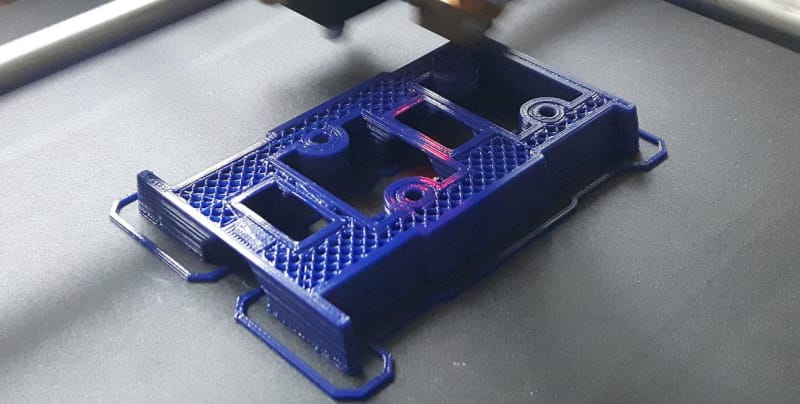
Image credit: Weppigu
Five factors drive what a cheap 3d printing service charges. Material volume sets the raw material cost, machine time reflects the height and build time of the part, and post-processing covers support removal, cleaning, sanding and coating. Nesting efficiency matters because powder and large-format machines can pack many parts into one build, while shipping depends on weight and destination. Understanding these variables lets you adjust the geometry, process or quantity rather than simply paying the first quoted figure.
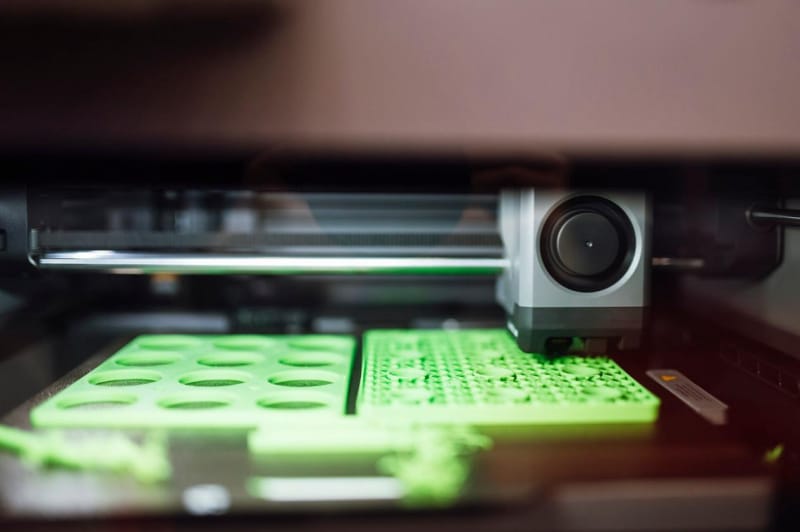
Image credit: Shixart1985
Which Printing Process Costs the Least
Four additive processes cover most cost-sensitive orders. FDM extrudes melted thermoplastic and is the cheapest for functional prototypes and jigs. SLA cures liquid resin with a laser and delivers smooth, high-detail parts for visual models. SLS and MJF fuse polymer powder in a heated bed, producing tough nylon components that need no support structure and can be packed densely. The right choice depends on the material, surface quality and mechanical properties you need rather than on the price tag alone.
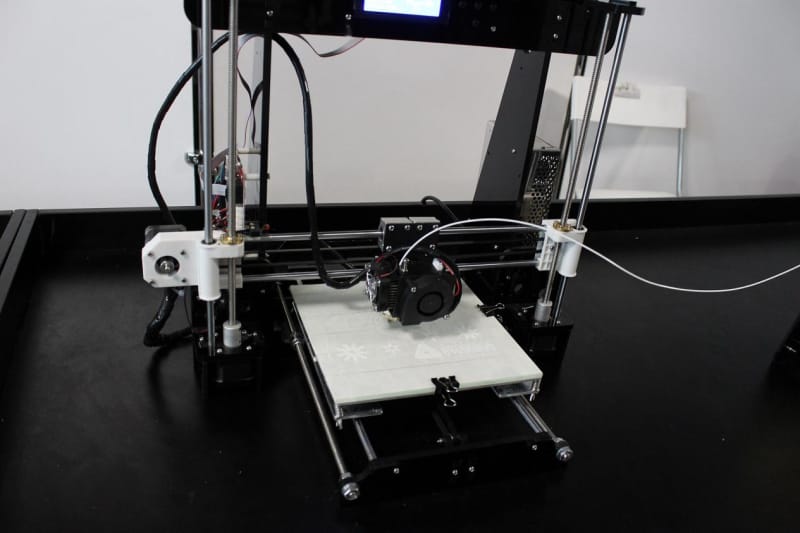
Image credit: Angelikagub
The table below compares the standard parameters and unit prices for each process, for runs of one to ten pieces and runs of a hundred or more. Prices fall as the build volume is shared across more parts, and the layered, toleranced and surface values shown are typical of production-oriented online services.
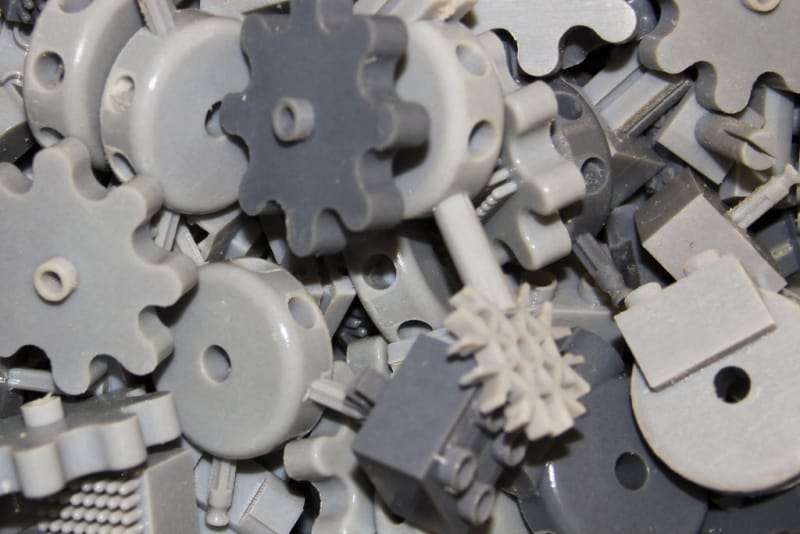
Image credit: Golan Levin
Process | Layer (mm) | Tolerance (mm) | Ra (μm) | Lead (days) | Price 1–10 pcs | Price 100+ pcs |
FDM | 0.1–0.3 | ±0.2–0.5 | 12–25 | 1–3 | $5–15 | $2–5 |
SLA | 0.025–0.1 | ±0.1–0.2 | 2–6 | 1–3 | $15–50 | $8–25 |
SLS | 0.1 | ±0.2–0.4 | 8–15 | 5–7 | $25–80 | $12–35 |
MJF | 0.08 | ±0.2–0.3 | 6–12 | 5–7 | $20–60 | $10–30 |
Metal DMLS/SLM | 0.02–0.06 | ±0.1–0.2 | 6–20 | 10–15 | $100–500+ | $60–250 |
Large Format FDM | — | — | — | — | $150–800 | — |
Source: Lecreator online 3D printing service data (May 2026)
Material Cost Benchmarks You Can Trust
Material cost is the most transparent part of a quote, but it is rarely the largest line item. Filament is sold by the kilogram and resin by the litre, and the amount used is the printed volume multiplied by the density and the infill percentage. Engineering polymers with carbon or glass fibre, and high-temperature polymers such as PEEK, cost an order of magnitude more than commodity PLA, so selecting the cheapest material that meets the requirement is the fastest way to reduce spend.
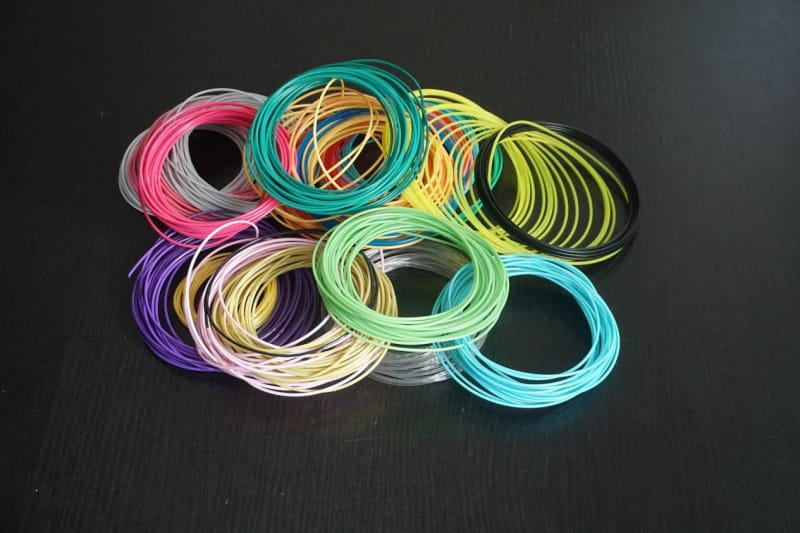
Image credit: Suit
The reference prices in the table show why 3d printing prices vary so widely across materials. Commodity filaments and standard resins occupy the lowest band, while castable and dental resins are priced for specialist applications. The figures are retail benchmarks, and a factory buying in volume will usually pay less, which is another reason a service can quote below the cost of buying a small spool yourself.
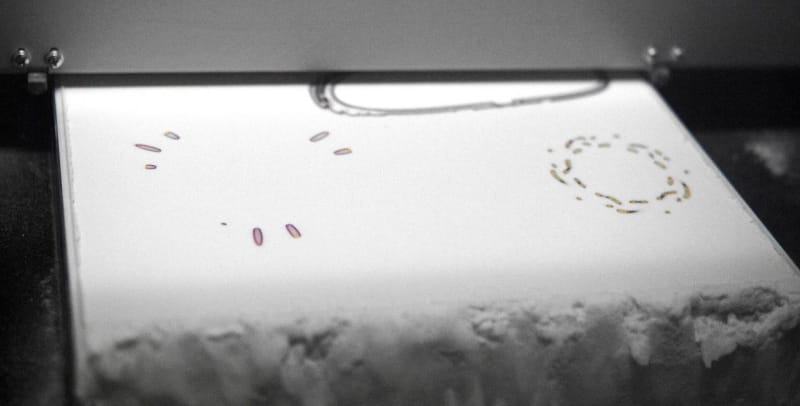
Image credit: Smokeonthewater
Category | Material | Reference price |
Filament (per kg) | PLA | $15–30 (bulk $12–15) |
Filament (per kg) | PETG | $20–30 |
Filament (per kg) | ABS/ASA | $25–35 |
Filament (per kg) | Nylon | $30–60 |
Filament (per kg) | TPU | $30–50 |
Filament (per kg) | PEEK/PEI | $300–500 |
Resin (per litre) | Standard resin | $25–50 |
Resin (per litre) | Tough/engineering resin | $50–80 |
Resin (per litre) | Castable jewelry resin | $80–150 |
Resin (per litre) | Dental FDA resin | $200–500 |
Resin (per litre) | Water-washable resin | $25–50 |
Source: 3dprinting.com, How Much Does 3D Printing Cost (May 2026).
How to Cut Cost Without Cutting Quality
Design decisions have a direct and often larger effect on cost than material choice. Hollowing bulky parts and using an infill of roughly 25 to 40 percent removes interior volume while preserving strength, and orienting the tallest axis flat on the bed reduces build time and support. Use self-supporting angles above 45 degrees, add fillets to avoid stress concentrations, and let the factory nest multiple copies in one build. These changes rarely alter the visible part and can cut the quoted price by a meaningful margin.
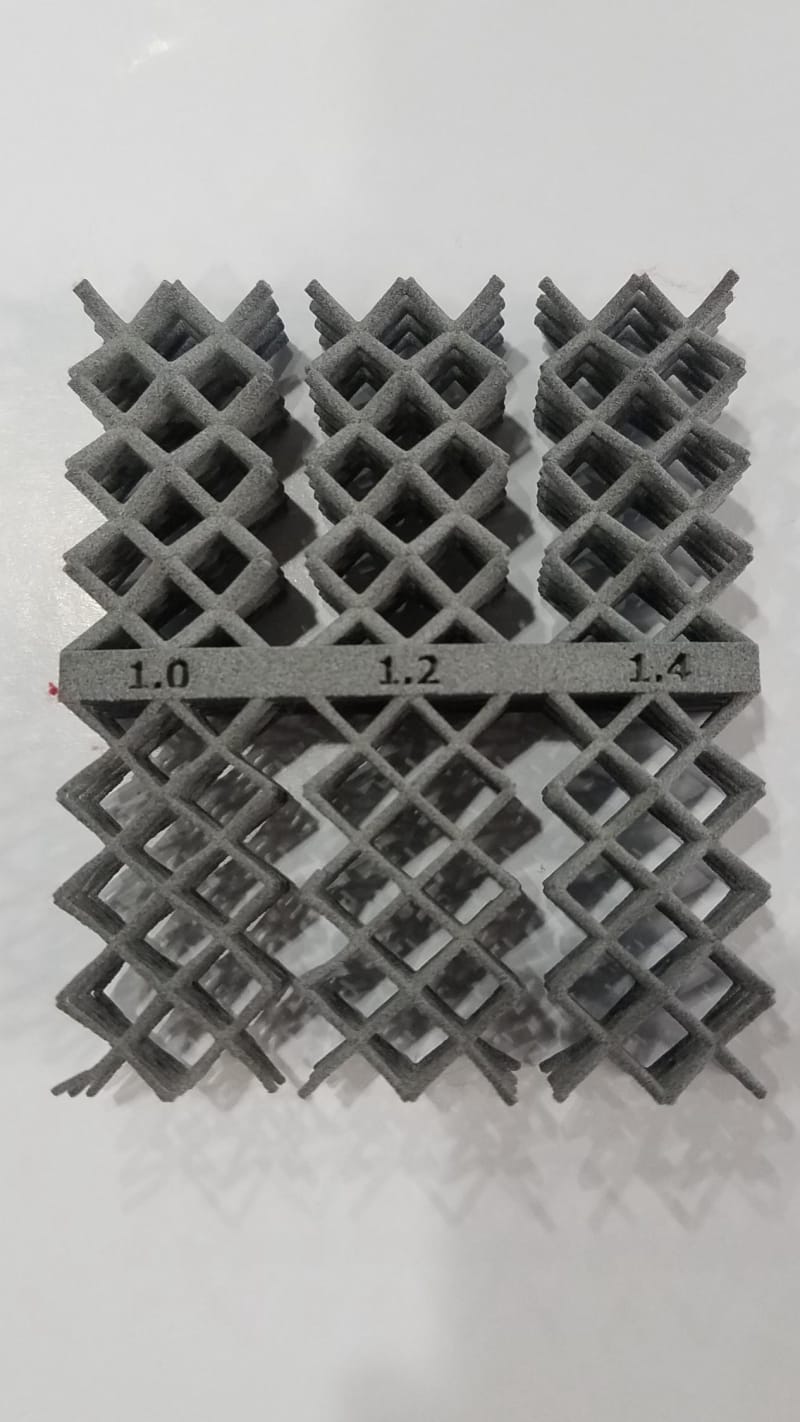
Image credit: Robin Zitt
Small batch 3d printing is where the economics become particularly attractive. Because there is no tooling to amortize, the unit price falls only as the fixed machine setup is shared across more parts, and comparison is worthwhile: the same geometry can receive quotes that differ by up to 38 percent between services. Ordering a few extra units in a run is almost free once the build is prepared, and additive manufacturing produces less than five percent waste compared with 70 to 90 percent for subtractive CNC machining.
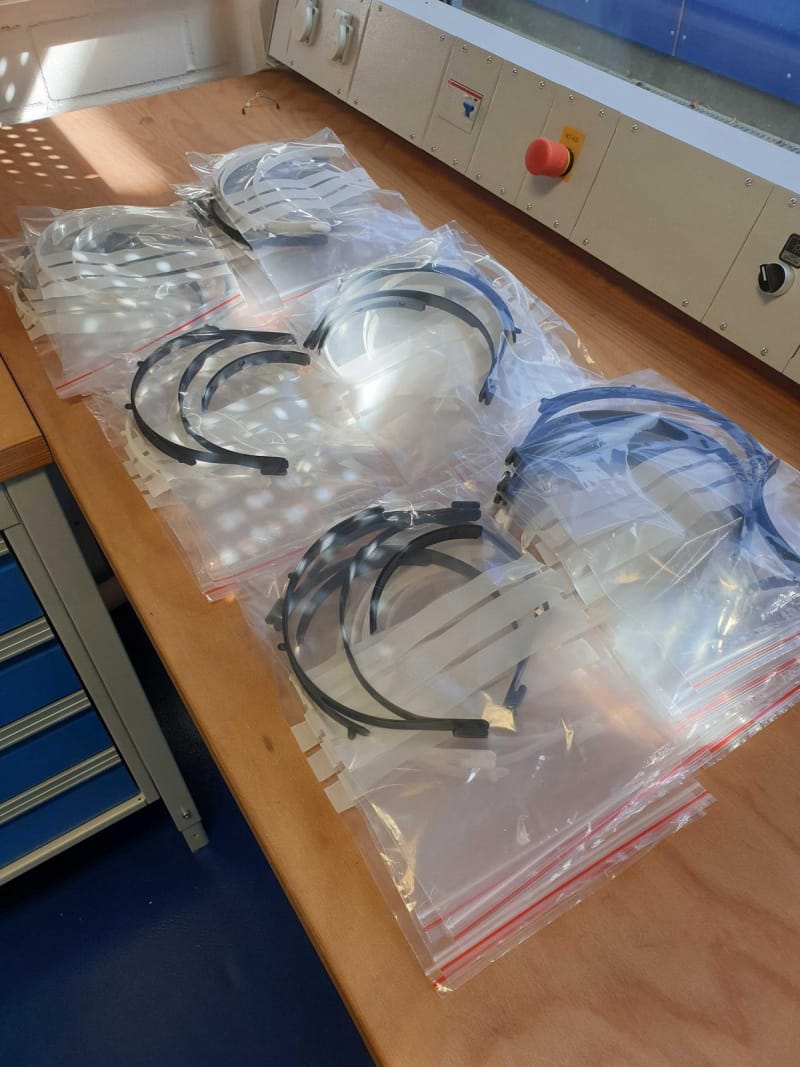
Image credit: ESA
Ordering Your Parts with HUANYA
Choosing a supplier on price alone can be expensive when parts fail or arrive late. Look for a documented equipment fleet across the main processes, engineering support during the design phase, and inspection records that confirm the tolerances you specified. A consistent finishing line, secure packaging and experience with international shipping, customs paperwork and duties are equally important. These capabilities protect the dimensions, the delivery date and the surface finish from the first order onward.
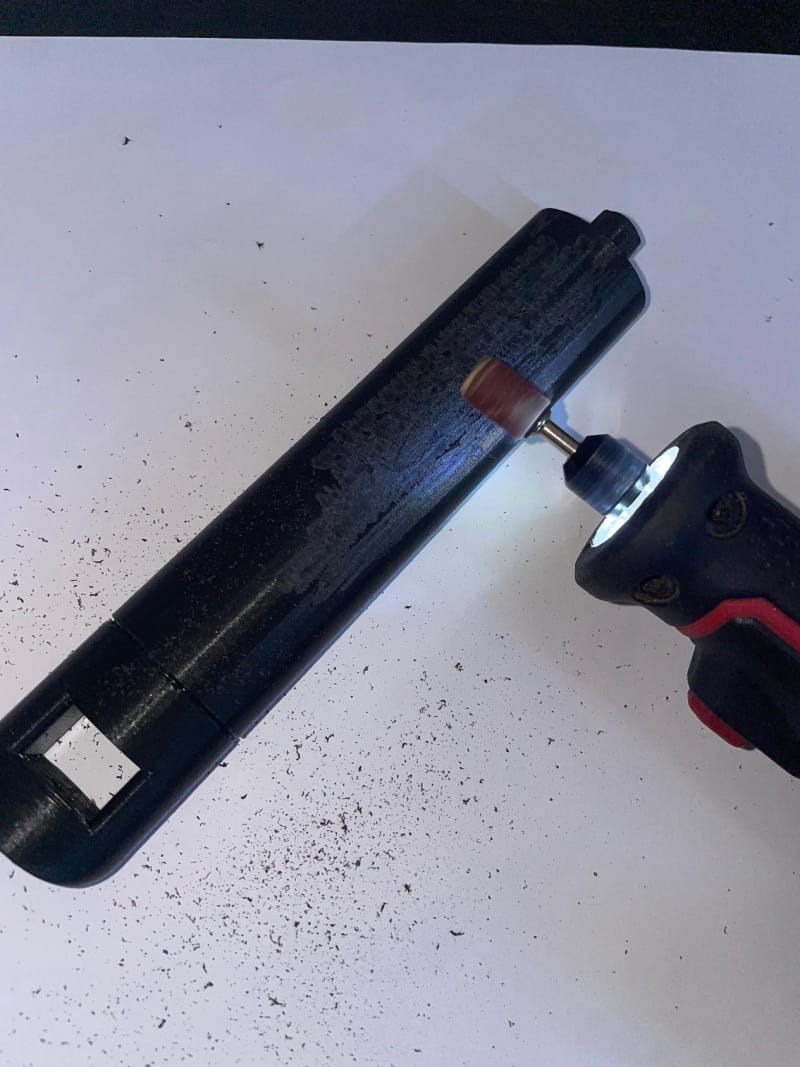
Image credit: Tanman21
HUANYA makes the cheap online workflow straightforward: upload your model, receive an instant and transparent quote, and select the process and finish that fit the budget. The team reviews every file for printability, inspects critical dimensions before dispatch, and ships finished parts to customers worldwide through reliable international logistics. Start with a single prototype or a small batch, and you can scale the same geometry to production without changing the tooling or the supplier.
Image credit: Milokito85


Leave a Comment