
 English
 French
 Deutsch
 العربية
 Español
 Русский
 にほんご
 Português
 한국어
Metal 3D Printing Company for Production Parts in Days
What a Metal 3D Printing Company Delivers
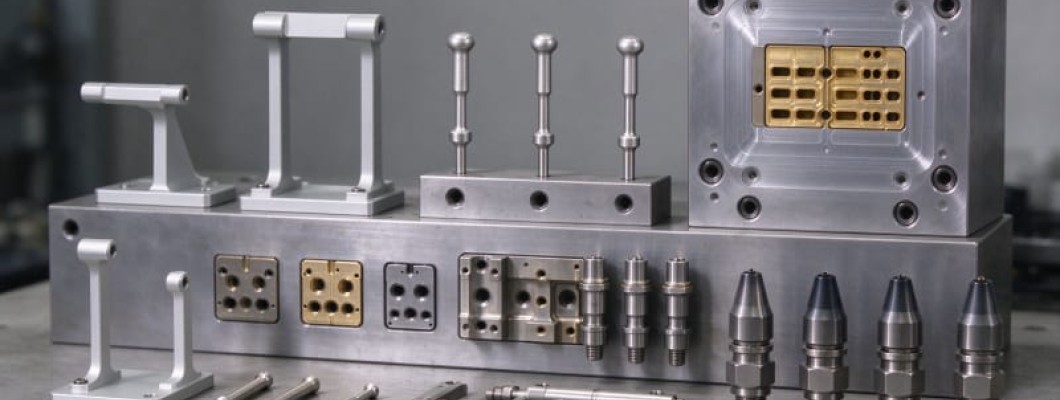
A metal 3d printing company turns a digital model into a dense, production grade metal part without the long lead time of casting molds or custom forging. Parts are built layer by layer from powder using a laser or electron beam, so geometry that is hard to machine can be produced directly, including internal channels and light lattice structures. For manufacturers, this means metal components can be evaluated, tested and put into service in days rather than waiting weeks for tooling.
Choosing the right supplier matters because metal parts carry real loads and meet real tolerances. A bracket on a machine, a manifold in a vehicle or a bracket in aerospace cannot be a visual approximation, and the demand for consistent dimensions and reliable material properties is non-negotiable. A company that understands both metal printing and production engineering can prevent the common problems, unstable dimensions, missed deliveries and uneven post-processing that undermine otherwise fast projects.
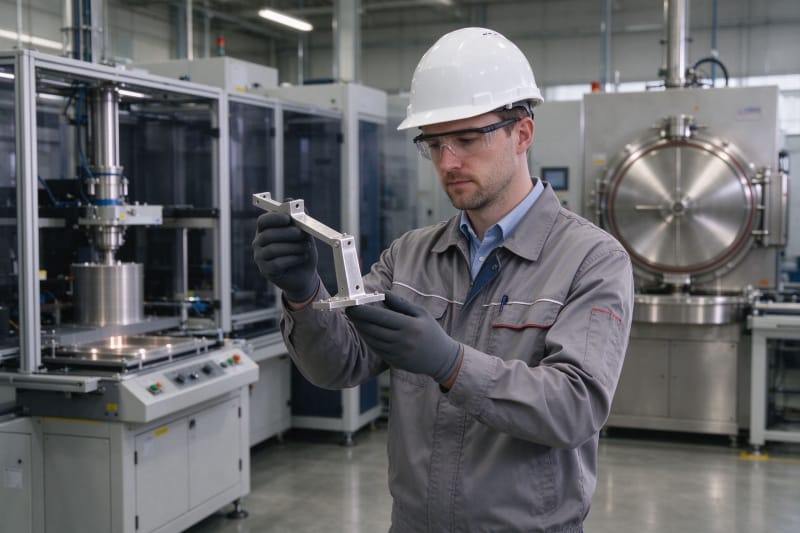
Several metal additive processes run in a modern factory, and each builds from the same starting point, fine metal powder laid in thin layers. SLM and DMLS use a laser to melt or fuse the powder, EBM uses an electron beam in a vacuum chamber, and binder jetting prints a binder into powder before a sintering step. They share the core advantage, parts are formed directly from the model, and the clock starts with the geometry rather than a mold.
Process | How It Builds | Typical Reference Lead Time | Best For |
SLM | laser melts metal powder layer by layer | about 5 to 10 days | dense steel and titanium parts |
DMLS | laser sinters and fuses metal powder | about 5 to 10 days | complex alloy components |
EBM | electron beam melts powder in vacuum | about 7 to 14 days | reactive metals, titanium |
Binder Jetting | binder binds powder then sintered | about 7 to 12 days | larger metal batches |
Bound Metal | bound metal filament then sintered | about 8 to 14 days | lower cost metal parts |
From File Upload to an Engineering Quotation
Getting a quotation works through a simple online flow. Through a metal 3d printing service you upload an STL or 3MF model, and a STEP file is preferred when dimensions, threads or assemblies matter, choose the alloy and quantity and note any finishing or certification requirements. Engineering reviews the geometry for printability before returning a price and lead time, so the quote reflects the actual part rather than a generic estimate.
Build time is driven mainly by part height, orientation, quantity and the amount of post-processing. Tall parts take longer because each layer adds fixed seconds, while a flat orientation and a batch nested across the plate make better use of the machine. Thicker layers reduce time when fine detail is not required, and understanding these levers helps select the fastest option that still meets the specification.
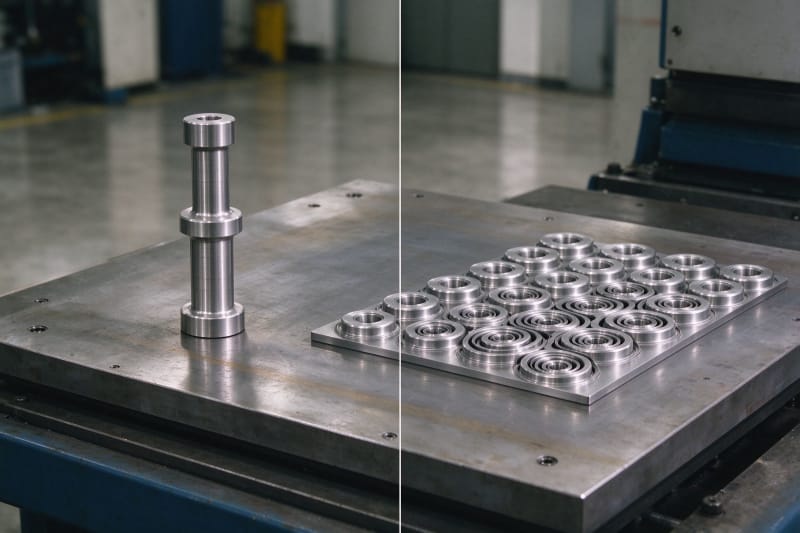
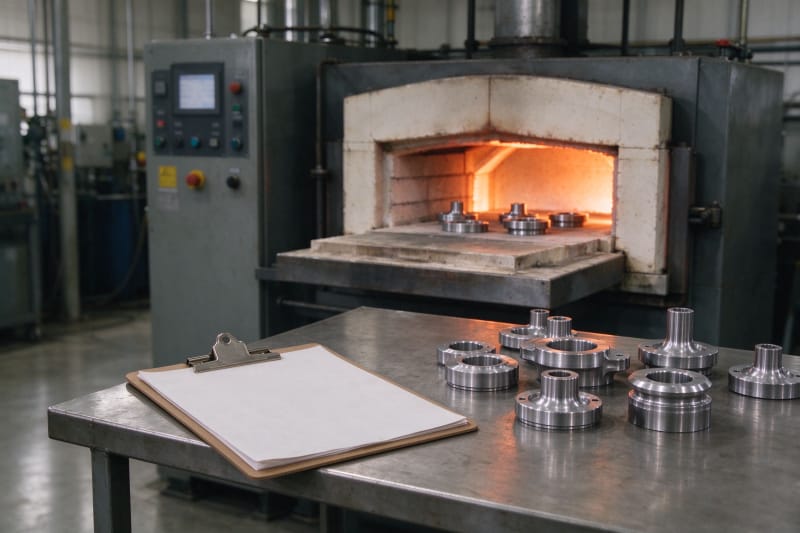
A clear quote separates machine time from the furnace and finishing steps that follow. Heat treatment, support removal, CNC machining, surface treatment and inspection all happen after printing, and they should be listed rather than hidden in a single lead time. When printing and finishing are planned separately, an urgent order can be prioritized without disrupting the rest of the factory.
Metal Additive Processes in the Factory
The choice of process shapes both speed and the final properties. SLM and DMLS are the common choices for dense steel, stainless steel, aluminum and titanium parts that need high accuracy. EBM suits reactive metals and titanium parts where thermal stress must be kept low, while binder jetting is efficient for larger quantities that benefit from nesting. Matching the process to the alloy and part avoids the slow path of forcing every component through one technology.
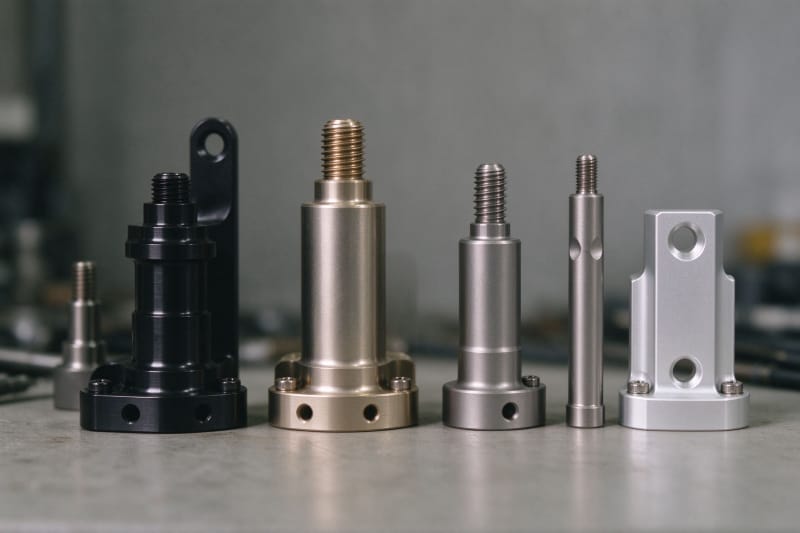
Designing for metal printing works with the process rather than against it. Thickening thin walls to supported values, adding material where CNC will hold precision, orienting parts to limit tall supports and grouping related features reduces both machine time and risk. The most reliable metal parts are the ones designed for the downstream furnace, machining and inspection from the start.
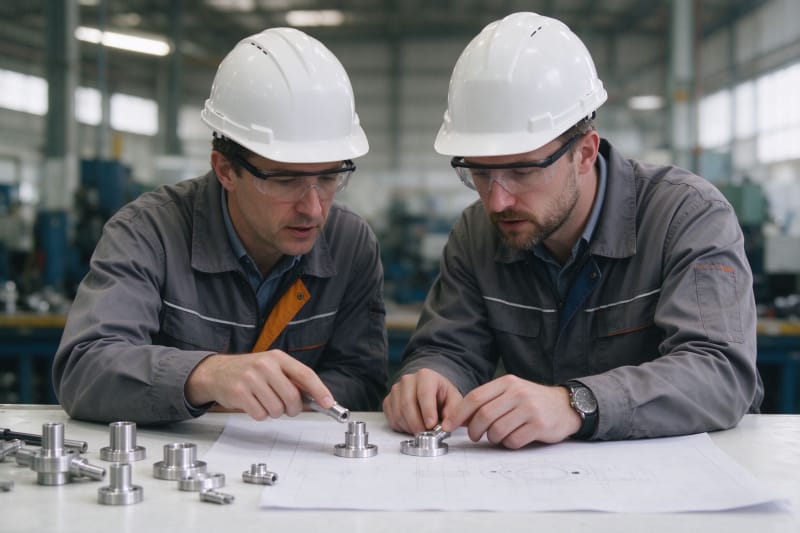
Parameter | Typical Reference Value |
SLM typical layer thickness | 0.02 to 0.06 mm |
SLM minimum wall thickness | 0.4 to 0.8 mm |
Minimum feature size | about 0.3 to 0.5 mm |
Typical relative density | 99.0 to 99.9 % |
Support-recommended overhang | below about 45 degrees |
Surface roughness as printed | Ra 6 to 12 µm |
Designing Metal Parts for Accurate Printing
Metal parts need to retain strength and predictable behavior. Walls must be thick enough for stable melting, holes that need precision are often printed slightly undersized and reamed or machined, and overhangs beyond roughly 45 degrees generally require supports. The same design rules apply to a single prototype or a small production batch, so the printed component behaves like a specified part rather than a sample.
Post-processing is what turns a printed metal object into a finished component. Parts are relieved of stress through heat treatment, supports are removed, and critical surfaces are machined to final dimension, while polishing, plating or other surface treatments can be applied. A documented finishing sequence is what allows a batch to leave the factory quickly with the same surface and properties in every part.
Where Metal 3D Printed Parts Are Used
Today, 3d metal printed parts are used across demanding industries. They appear as lightweight brackets and structural components in aerospace and motorsport, conformally cooled tooling and inserts in mold making, manifolds and nozzles with internal channels, and patient matched implants and surgical guides in medical work. Where a cast or machined part would require tooling and long lead times, additive production often delivers the component in days.
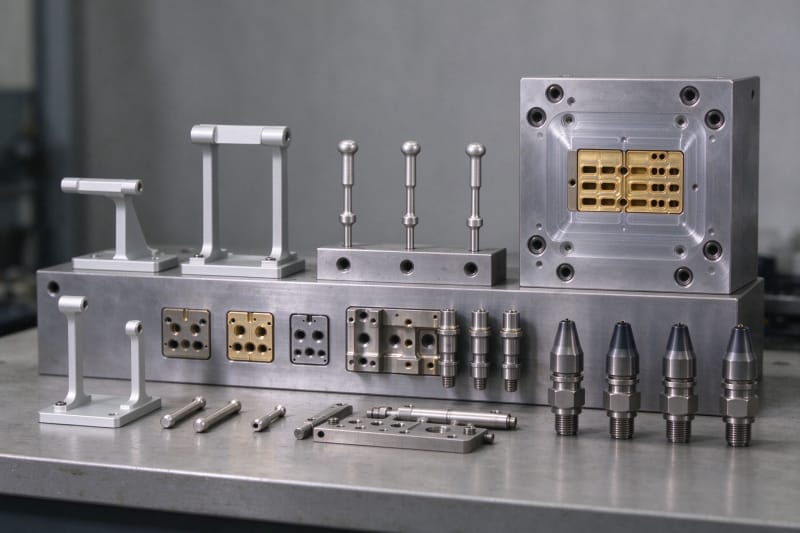
For demanding applications, the speed is backed by industrial capability on the production floor. Production machines use controlled chambers, certified powder lots and repeatable parameters, and they process high-performance alloys that desktop or office equipment cannot handle. This combination keeps geometry and material properties identical across repeat orders and provides the traceability that converts a printed object into a qualified production part.
Quality Control for Production Metal Parts
Quality control protects the schedule rather than slowing it. Stable dimensions and accuracy between batches come from controlled machines and recorded parameters, on-time delivery comes from realistic capacity planning, and consistent surfaces come from fixed finishing sequences. When something varies, it is a process gap that inspection catches before shipment, and speed is never bought by shipping an uncertain part.
Choosing a Metal 3D Printing Partner
Choosing a metal 3d printing company is a practical decision. A well equipped 3d printing company offers a machine fleet that covers the required alloys and part sizes, engineering support that reviews files before printing, documented inspection and finishing processes, and reliable international shipping with the correct documentation. A supplier that can carry a part from the first prototype to a repeatable production batch is worth more than one limited to a single step.

Start Your Metal Project With HUANYA
If you already have a model, the fastest way to begin is to send it. Upload your CAD file, specify the alloy, quantity and finishing, and HUANYA returns a quotation and lead time based on the actual geometry, with delivery to manufacturers worldwide. From the first metal prototype to the repeatable production part, the compressed timeline starts with a single file.


Leave a Comment