
 English
 French
 Deutsch
 العربية
 Español
 Русский
 にほんご
 Português
 한국어
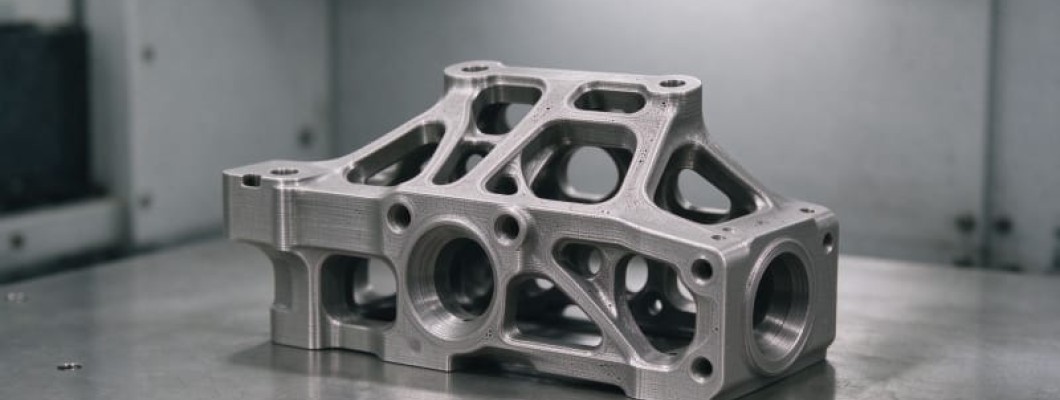
Metal Sintering 3D Printing Delivers Dense Metal Parts at Scale
Metal sintering 3d printing turns metal powder into a dense, usable part through print, debind and sinter. When a drawing calls for stainless or tool steel components with internal channels, the sinter route delivers geometry that machining simply cannot reach.
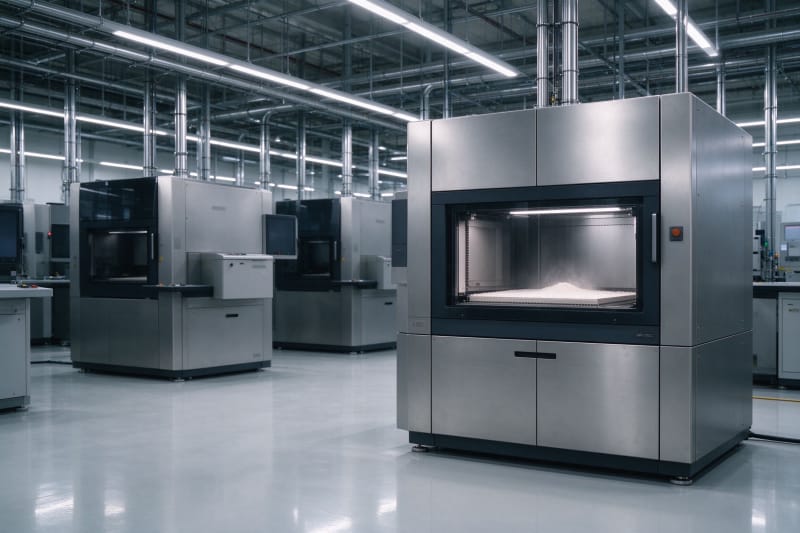
The Sintering Route to Metal Parts
The process starts by binding metal powder into a green part, then removing the binder and sintering the body in a furnace near 1300 to 1400 degrees Celsius. Controlled shrinkage closes most pores, and linear dimensions move predictably, so engineers can allow for it in the design of 3d metal printed parts.
Sintering supports near vertical overhangs without printed supports, because the part sits inside loose powder. That opens up internal channels and lattice cores that would be costly to machine, and it removes the support removal step that slows other stainless steel 3d printing routes.
Sintered Materials and Properties
Two stainless grades cover most metal sintering jobs. 17-4PH reaches high strength after aging, while 316L offers corrosion resistance and ductility. The table below lists sintered properties measured under ASTM test methods.
Material | Sintered density (% TD) | UTS (MPa) | Yield (MPa) | Elongation (%) | Hardness |
17-4PH (H900) | ~98 | ~1310 | ~1170 | ~6 | HRC 38-42 |
17-4PH (as sintered) | ~98 | ~1050 | ~660 | ~4 | - |
316L (ExOne) | 96-99 | 450-580 | 140-220 | 40-55 | 67-71 HRB |
316L (Cardiff) | ~92 | - | - | - | 140 HV |
Source: Inn 3D Studio / Desktop Metal; ExOne data via PMC; Cardiff University binder jetting study (2026)
Dimensional control depends on binder content, packing and furnace profile. A consistent production line holds tolerances by tracking green density and hold time, and post sinter machining closes the tightest fits before delivery.
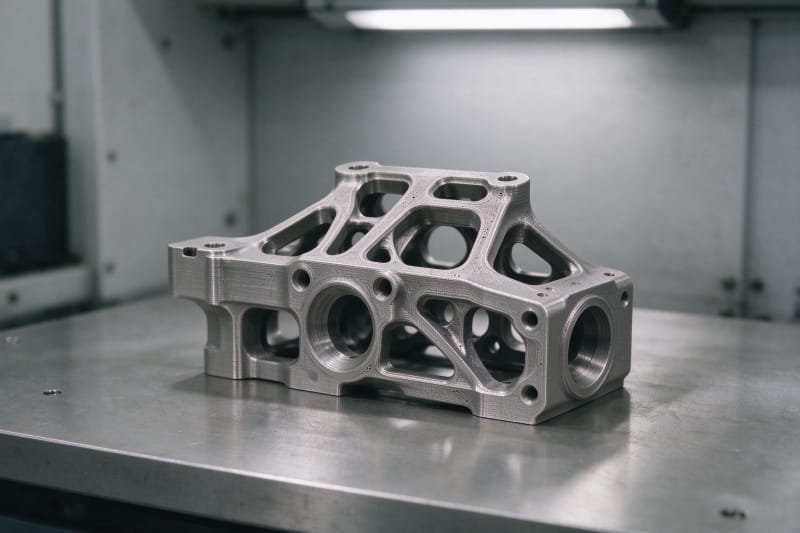
Production at Scale
Demand for metal sintering keeps climbing as factories adopt it for serial parts. The table below shows how the metal 3D printing market has grown and where it is heading.
Year | Market size (USD) | Growth note |
2025 | 11.71 billion | Base year |
2026 | 14.76 billion | +26% year on year |
2030 | 36.94 billion | CAGR ~25.8% |
The real payoff is simpler economics. With no supports to remove and powder reused in sealed canisters, batch quoting becomes predictable, and short runs reach cost parity with machining sooner than most buyers expect from a metal 3d printing service.
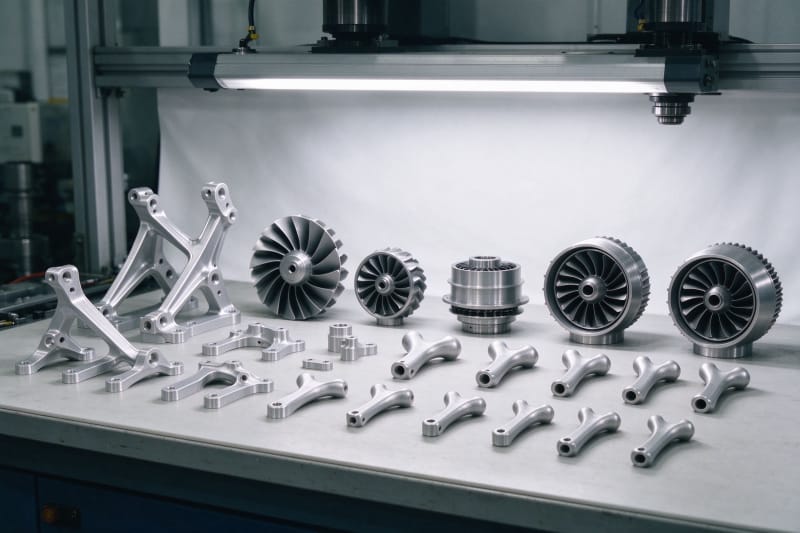
HUANYA runs industrial metal sintering lines with powder storage, print, debind, sinter and inspection under one roof. Send a STEP file, and the engineering team will confirm alloy, sintered density and a firm delivery date.


Leave a Comment